RTB eLearning
Search results: 840

This module describes the knowledge, skills, and attitude to be acquired in order to place
well tiles on the walls, stairs and floors. It is intended to be pursued by learner at TVET
level IV Building Construction. At the end of this module, the learner will be able to
prepare working area, select materials, tools and equipment. He/She will also be able to
cut, apply tiles, and perform grouting and cleaning of the workplace.
- Teacher: Gratien HABIHIRWE
Category: L4 BUILDING CONSTRUCTION
enable_scormdisplayname: No

This module describes the knowledge, skills, and attitude to be acquired in order to place well tiles on the walls, stairs and floors. It is intended to be pursued you at TVET level IV Building Construction. At the end of this module, you will be able to prepare working area, select materials, tools and equipment. you will also be able to cut, apply tiles, and perform grouting and cleaning of the workplace.
- Teacher: MUKANSANGA PASCALINE
Category: L4 BUILDING CONSTRUCTION
enable_scormdisplayname: No

This module describes the knowledge, skills, and attitude to be acquired in order to place
well tiles on the walls, stairs and floors. It is intended to be pursued by learner at TVET
level IV Building Construction. At the end of this module, the learner will be able to
prepare working area, select materials, tools and equipment. He/She will also be able to
cut, apply tiles, and perform grouting and cleaning of the workplace.
- Teacher: Alexis NDIKUBWIMANA
Category: L4 BUILDING CONSTRUCTION
enable_scormdisplayname: No
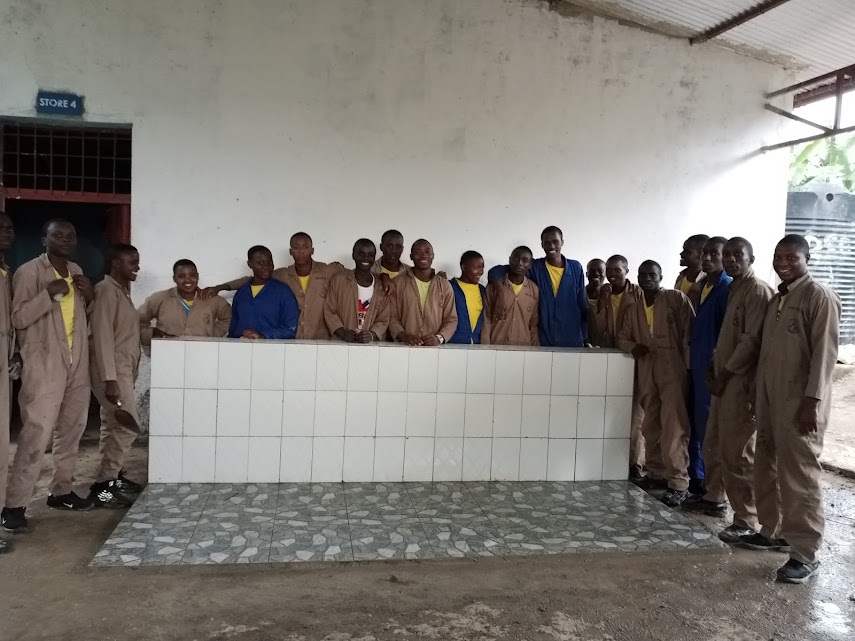
This module describes the knowledge, skills, and attitude to be acquired in order to place
well tiles on the walls, stairs and floors. It is intended to be pursued by learner at TVET
level IV Building Construction. At the end of this module, the learner will be able to
prepare working area, select materials, tools and equipment. He/She will also be able to
cut, apply tiles, and perform grouting and cleaning of the workplace.
- Teacher: Onesphore MUHIRE
Category: L4 BUILDING CONSTRUCTION
enable_scormdisplayname: No
enable_scormdisplayname: No
enable_scormdisplayname: No
enable_scormdisplayname: No
enable_scormdisplayname: No
enable_scormdisplayname: No
Introduction
Community-based Tourism (CBT) is one of the tourism sub-sectors with a direct social and
economic impact on local communities. By developing Community-based Tourism Enterprises
(CBTEs), communities gain income-generating opportunities and better job prospects. At the
same time, CBT helps communities to manage and preserve their knowledge and cultural
resources. It allows them to take part in the direct development of their communities while
simultaneously reaping the benefits of tourism. CBT places a strong emphasis on all aspects of
social, cultural, economic, and environmental sustainability. In Rwanda, CBT is closely linked
with the growth of eco-tourism and sustainable tourism. The Government of Rwanda identified
CBT as a key tourism development priority for diversifying the tourism industry beyond gorilla
related tourism. The Tourism Policy (2009) targets support at viable Small, Micro and Medium
Enterprises (SMMEs) offering marketable tourism products and services that meet essential
quality standards as well as aiming to promote CBT 1 in order to achieve a wider spread of the
economic benefits from tourism, especially with regards to the rural sector. The module of
community based tourism comprises three learning units and ten learning outcomes which will
be delivered in one hundred and twenty hours (120). Within twelve (12) credits.
enable_scormdisplayname: No
enable_scormdisplayname: No

Sector: Hospitality and Tourism
Sub-sector: Tourism
- Teacher: Origene IGIRANEZA
enable_scormdisplayname: No

Sector: Tourism and Hospitality
Sub-sector: Tourism
- Teacher: Origene IGIRANEZA
enable_scormdisplayname: No
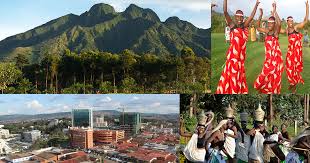
This module describes the performance outcomes, skills and knowledge required to develop and update current and emerging information on the Tourism industry, including industry structure, current technology and key environmental, community, legal and ethical issues that must be considered by tourism industry personnel in their day-to-day work. The module focuses on the ability to source and comprehend general tourism industry information and covers the initial and ongoing development of a person's required knowledge base. This information underpins effective performance in the Tourism industry. More specialized and advanced Tourism research and management knowledge is found in other units.
The module is for:
- Level 3
- Credits: 5
- Sector: Hospitality and Tourism
- Sub-sector: Tourism
- Teacher: Eric Hitimana
enable_scormdisplayname: No
enable_scormdisplayname: No

enable_scormdisplayname: No

This module describes
the skills, knowledge and attitude required to design UI/UX. This module is
intended to prepare students pursuing TVET Level 3 in Software Development. At
the end of this module, the students will be able to Analyse
User Experience, Define
the User and Design Mockup.
- Teacher: JACQUELINE NIRERE
Category: L3 SOFTWARE DEVELOPMENT
enable_scormdisplayname: No

This module describes the skills, knowledge and attitude required to
design UI/UX for software and web applications.
At the end of this module, the students will be able to Analyse User
Experience through defining User journey the trainees will be able to
design software Mockup
- Teacher: Vincent NSANZIMANA
Category: L3 SOFTWARE DEVELOPMENT
enable_scormdisplayname: No