CSAPA 301 - ASSEMBLE PCB AND COMPUTER SYSTEM

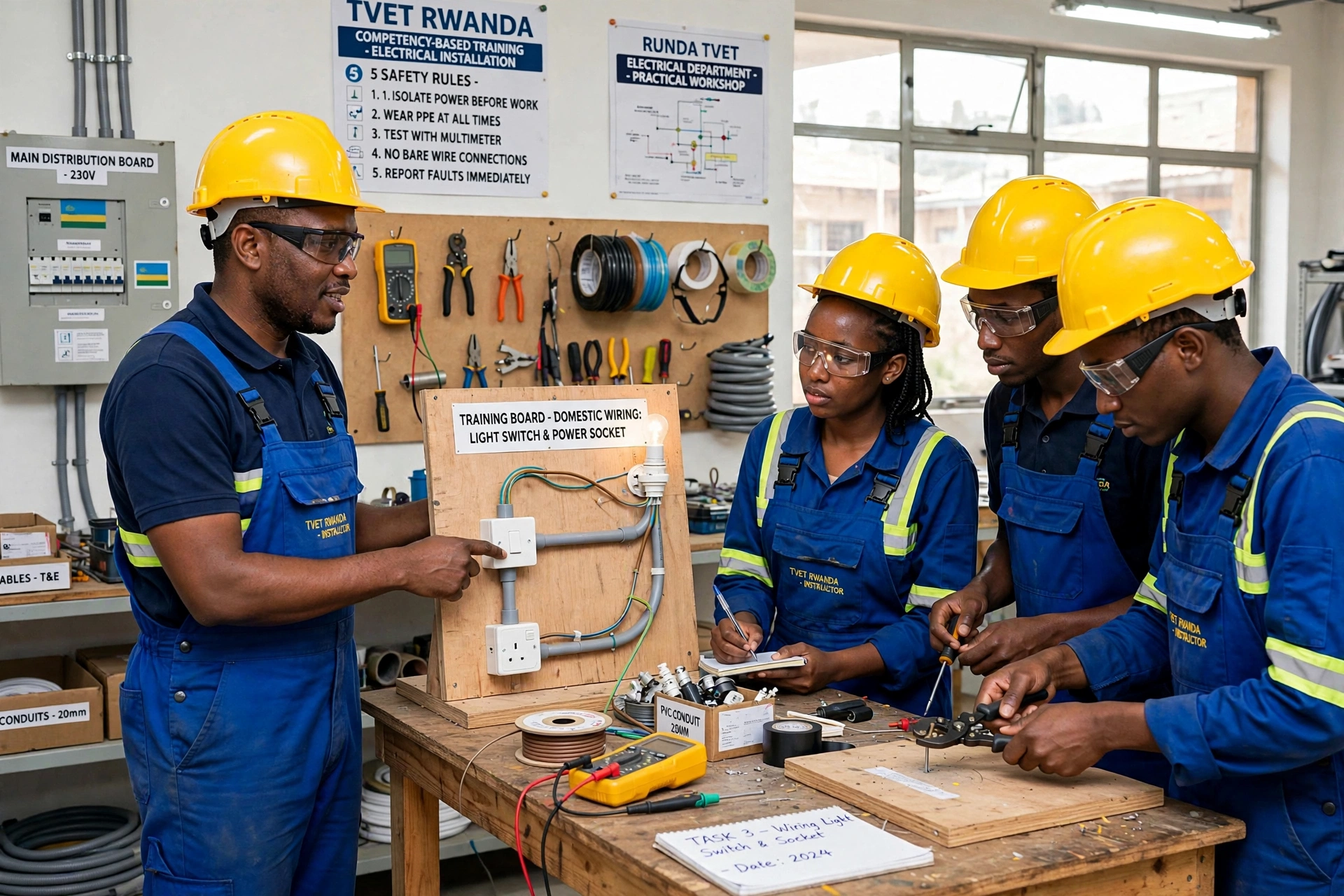
Computer technicians frequently work with electrical installations because most computer systems, electronic devices, and related equipment depend on a reliable electricity supply. In some situations, technicians may need to inspect existing installations or make necessary adjustments to support the proper operation of computer equipment.

Therefore, they need fundamental knowledge and practical skills in electricity and electrical installations to perform their duties effectively, safely, and professionally.

Module Objectives

By the end of this module, you will be able to:

  1. Apply basic concepts of electricity.

  2. Perform domestic electrical installations.

  3. Perform post-operation activities.

Module Code: GENFE301
Trade: COMPUTER SYSTEM & ARCHITECTURE
Level: 3CSA
⚡GENBE302- Basic Electronics
🎓 TVET Level 3 💻 Computer System and Architecture
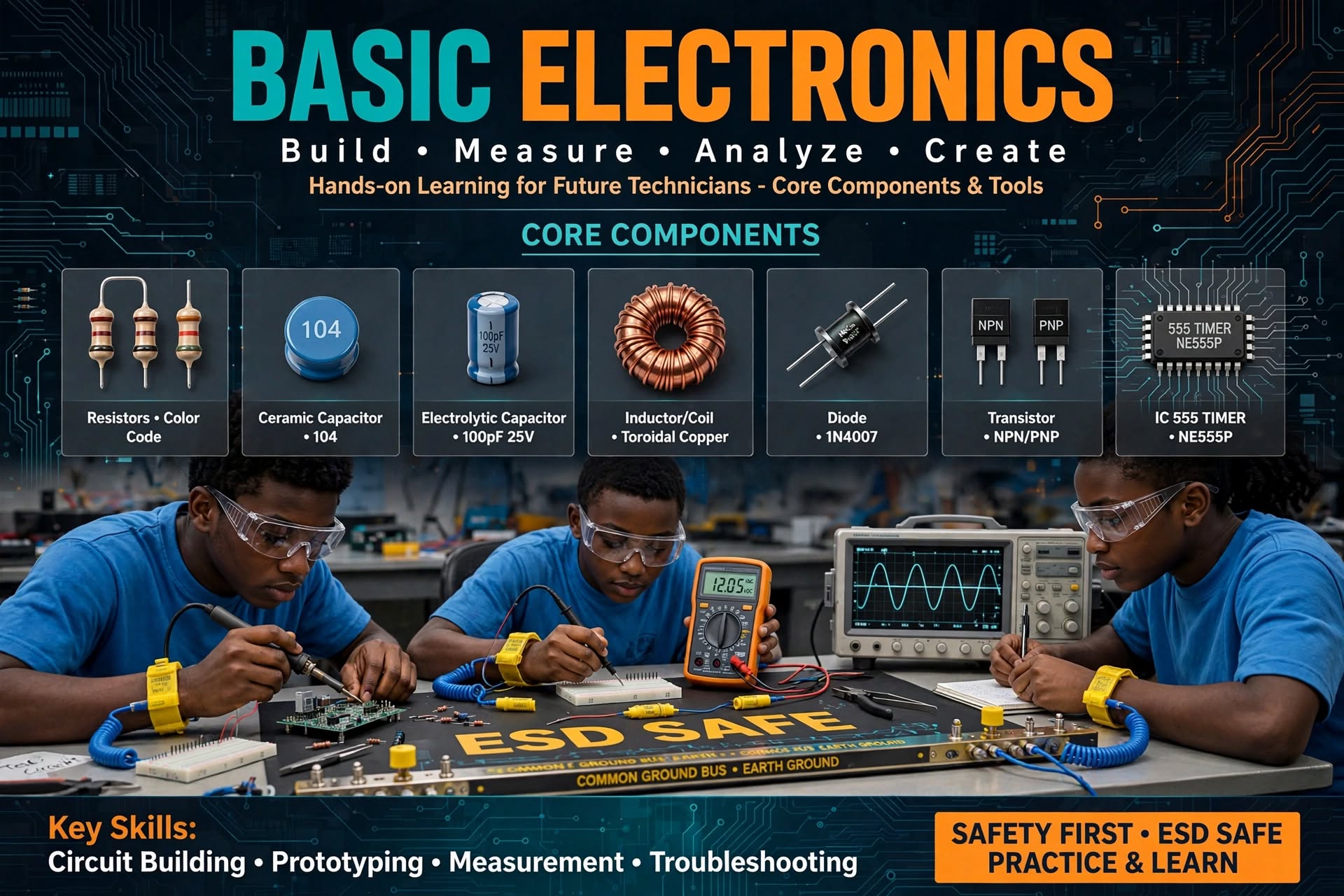
Basic Electronics is the study of electronic components, electrical circuits, and the principles used to control the flow of electric current.
🎯 Learning outcome

Upon completion of this module, the trainees will be able to describe, apply and test passive and active components. In addition, you will be able to identify, use different equipment used in electronic workshop.

Module Code: GENBE302
Trade: COMPUTER SYSTEM AND ARCHITECTURE
Level: L3CSA

The Network Fundamentals module introduces the foundational concepts, protocols, architectures, and technologies required to build, operate, and troubleshoot modern computer networks. It bridges theoretical principles with practical application, providing a comprehensive entry point to networking for IT professionals, system administrators, and software developers.

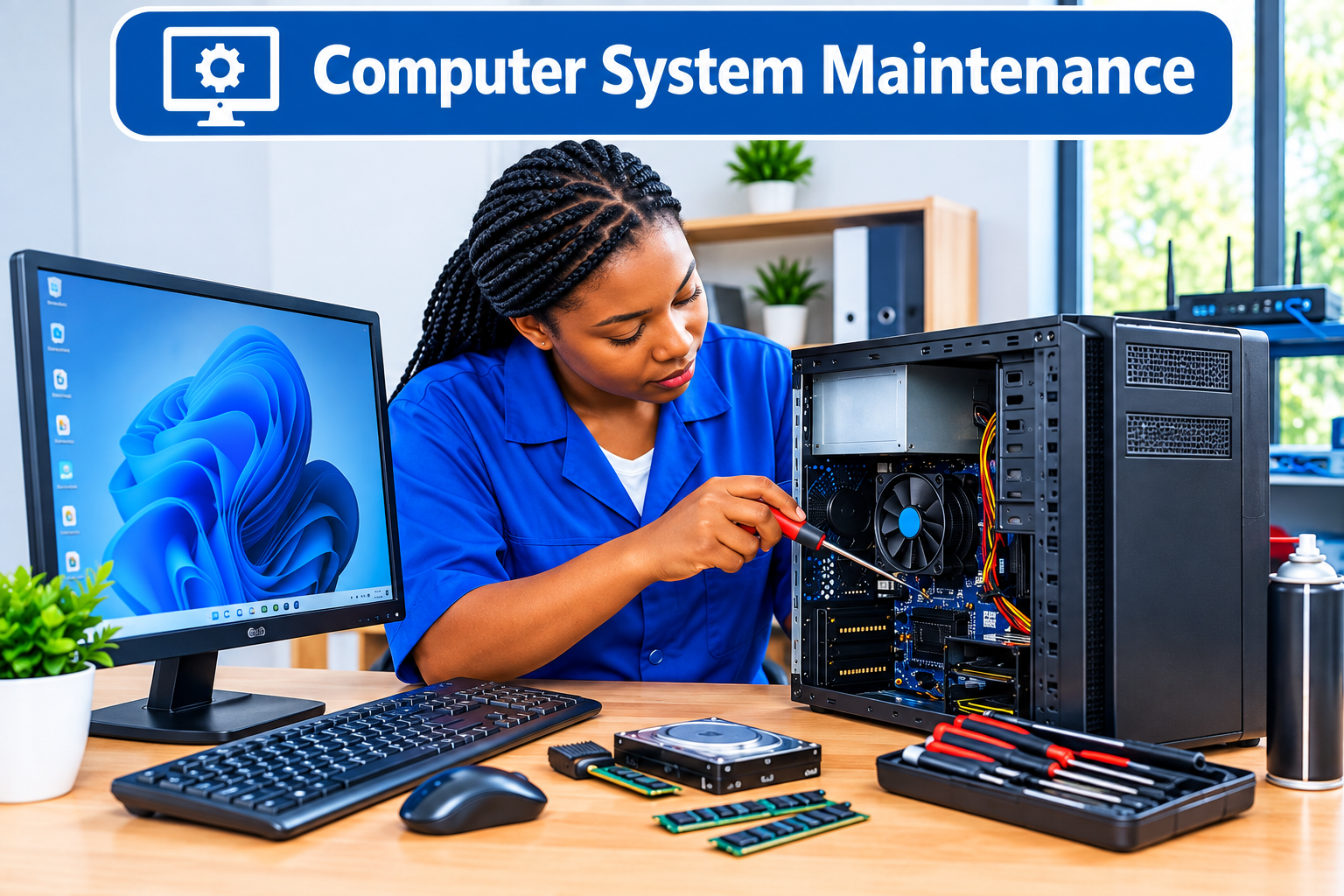
Learning Outcome 1:  Maintain Computer Hardware

Learning Outcome 2:  Maintain Computer System Software

Learning Outcome 3:   Manage E-waste


We wish you absolute success as you structuralize your development path in this module!

Module Code: CSACM301
Trade: COMPUTER SYSTEM MAINTENANCE
Level: L3
🖥️

Computer Peripherals Deployment

CSAPD301

📘 Module Introduction

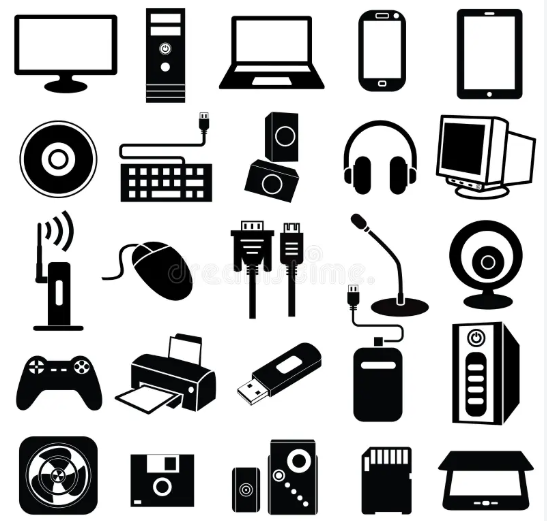
Computer Peripherals Deployment is a module that helps students understand how to identify, install, configure, maintain, troubleshoot, and replace computer peripheral devices .

🎯 What You Will Learn

In this module, students will learn how to work with different computer peripheral devices and basic networking equipment, including:

⌨️ Keyboards 🖱️ Mice 🖥️ Monitors 🖨️ Printers 📠 Scanners 🔊 Speakers 💾 Storage Devices 🌐 Network Devices 🔌 Network Cables 📡 Wireless Devices 🔀 Switches & Routers

🌐 Basic Networking Skills

Students will also learn how to connect computers to networks, identify networking devices, connect network cables, configure basic network settings, troubleshoot connectivity problems, and test network connections.

🛠️ Practical Skills

Throughout the module, students will develop practical skills in:

  • 🔌 Connecting and installing peripheral devices
  • 🌐 Connecting computers and devices to a network
  • ⚙️ Installing and updating device drivers
  • 🔧 Configuring peripheral and networking devices
  • 🔍 Diagnosing and troubleshooting hardware problems
  • 📡 Troubleshooting basic network connectivity problems
  • 🔄 Maintaining and replacing faulty peripherals
  • ✅ Testing devices to ensure they work correctly and efficiently

💡 Think & Share

Look around your classroom and identify three computer peripherals and two networking devices. Can you explain how each device is connected and what role it plays?

hgghhhhh

Module Code: SWDD4
Trade: CSA
Level: 3

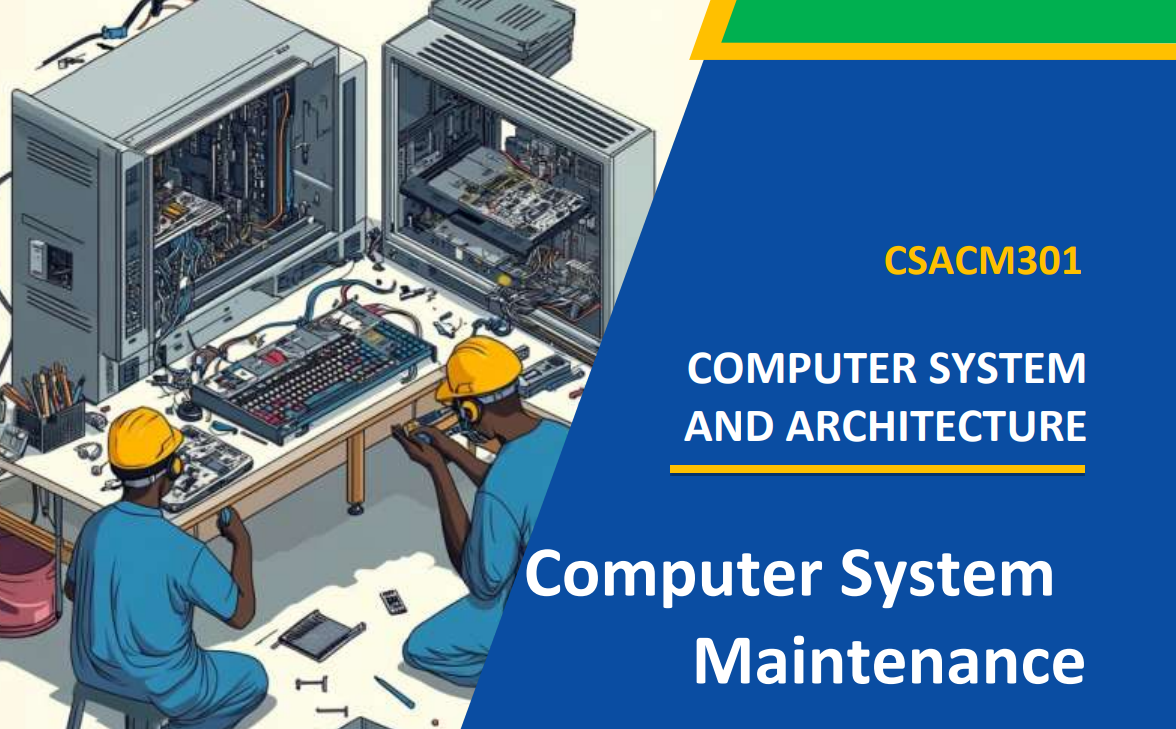
This module describes the skills, knowledge and attitude required to maintain
computer system. This module intends to prepare learners pursuing TVET Level
3 in Computer Systems and Architecture. At the end of this module the learners
will be able to maintain computer hardware, maintain computer software and
manage e-waste

Module Code: CSACM301
Trade: COMPUTER SYSTEM ARCHITECTURE
Level: 3