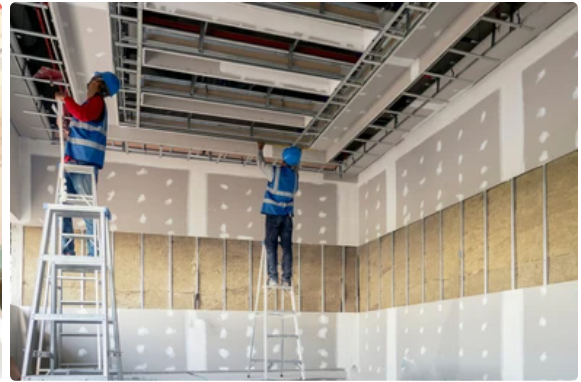
Ceiling installation involves setting reference lines and determining the desired height, then assembling a framework using wooden or metal joists. Panels or tiles are measured, cut, and fixed onto the frame securely. Suspended ceilings require hangers and cross tees to form a grid for tile placement. Finally, joints are covered, and finishing touches like sanding or varnishing are applied for a neat appearance.
- Teacher: Pierre Munyambonera,
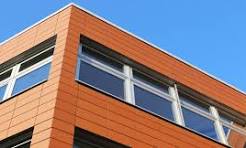
This course focuses on the skills and techniques required to perform ornamental finishing works within the construction sector. Participants will learn to enhance the aesthetic appeal of buildings and structures through various decorative finishes.
- Teacher: Innocent Muhawenimana
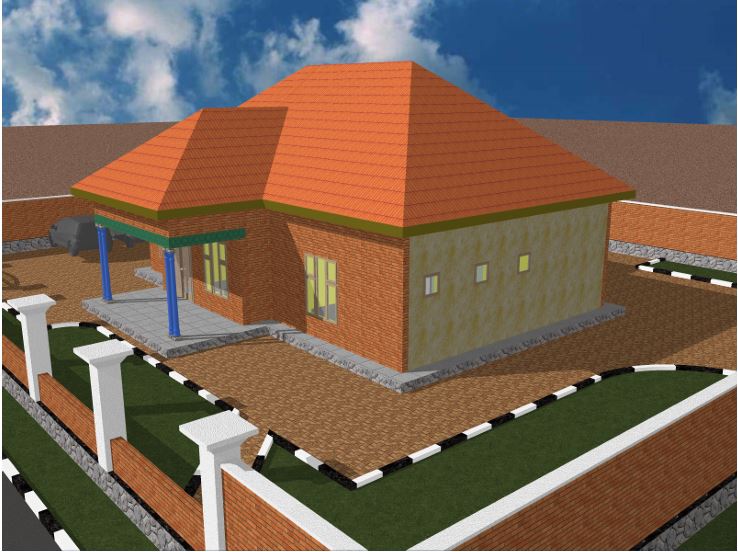
This module introduces learners to ArchiCAD software, a powerful tool used in architectural design and drafting. The module is designed to equip learners with the skills, knowledge, and confidence to set up the software environment, create accurate digital drawings, and prepare final outputs for presentation or printing.
- Teacher: Emmanuel Habimana
This module describes the knowledge, skills, and attitudes required to make cement-based blocks pavers. It is intended to be pursued by learner at TVET level IV in Building Construction. At the end of this module, the learner will be able to: select tools, equipment and materials, prepare mortar, produce cement blocks and cement pavers, prepare ground base, and lay pavers.
- Teacher: Jean Hakizimana
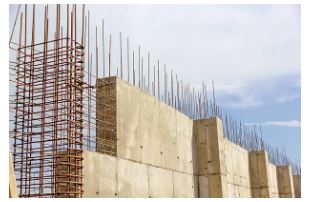
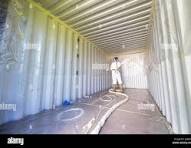
Introduction to Acoustic and Thermal Insulation Module
The Acoustic and Thermal Insulation Module introduces learners to the principles, materials, and techniques used to control sound transmission and heat transfer in buildings. The module focuses on improving indoor comfort, energy efficiency, and building performance through the proper selection and installation of insulation materials. Learners will develop knowledge and practical skills in identifying insulation materials, applying safe installation methods, and complying with construction standards and environmental requirements. Upon completion, learners will be able to install and maintain acoustic and thermal insulation systems effectively in residential, commercial, and industrial buildings.
Acoustic and thermal insulation play a vital role in enhancing the comfort, energy efficiency, and functionality of buildings. These two types of insulation address different but equally important aspects of the built environment—sound control and temperature regulation.
Thermal insulation helps reduce heat transfer between the interior and exterior of a building. By minimizing heat loss in winter and heat gain in summer, it significantly improves energy efficiency, lowers utility costs, and creates a more stable and comfortable indoor climate. Common thermal insulation materials include fiberglass, foam boards, mineral wool, and reflective barriers.
Acoustic insulation, on the other hand, is designed to reduce the transmission of sound between rooms or from external sources. It contributes to a quieter and more private environment, which is particularly important in residential buildings, offices, schools, and healthcare facilities. Acoustic insulation materials—such as soundproof drywall, acoustic foam, and dense mineral wool—absorb or block airborne and impact sounds effectively.
Both types of insulation are essential components of modern building design and are often integrated into walls, floors, ceilings, and roofs. Their proper selection and installation not only enhance occupant comfort but also support compliance with building codes and sustainability standards.
- Teacher: Jean Damascene Niyibizi
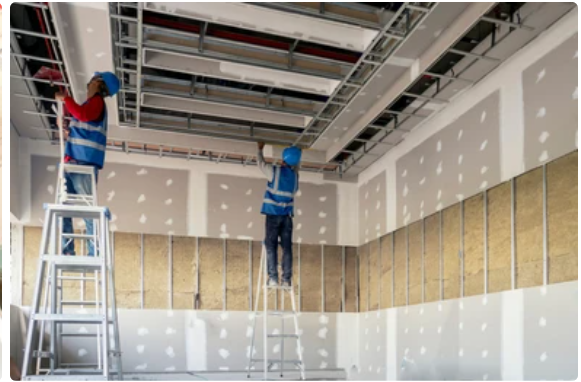
Ceiling installation involves setting reference lines and determining the desired height, then assembling a framework using wooden or metal joists. Panels or tiles are measured, cut, and fixed onto the frame securely. Suspended ceilings require hangers and cross tees to form a grid for tile placement. Finally, joints are covered, and finishing touches like sanding or varnishing are applied for a neat appearance.
- Teacher: Pierre Munyambonera,
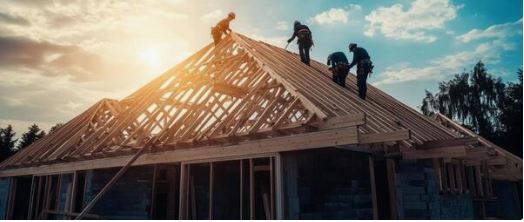
Constructing a roof structure is a critical phase in building construction that provides protection, stability, and architectural character to a structure. A well-designed roof not only shields the interior from environmental elements like rain, wind, and sunlight, but also contributes to the overall durability and energy efficiency of the building. Roof construction involves careful planning, selection of appropriate materials, and adherence to structural design principles to ensure safety and functionality. Depending on the design and purpose of the building, roofs can vary in shape and complexity—from simple flat roofs to intricate pitched or gabled forms. Key components such as trusses, rafters, beams, and decking must be precisely assembled to support the roof covering and distribute loads evenly. Successful roof construction requires coordination between architects, engineers, and builders, ensuring the structure meets both aesthetic and structural standards.
- Teacher: Fabrice Girinshuti
- Teacher: Jean Damascene Niyibizi

At the end of this module, learners will be able to manage construction site documents, Conduct the management of construction activities, Prepare and manage contract with minimum
supervision
- Teacher: Pierre Munyambonera,