This course, MATIM501: Industrial Machines Installation and Maintenance, will equip you with the essential skills to install, operate, and maintain industrial machines effectively. We will begin by performing fitting works, which includes preparing the workplace, assembling machine parts, and attaching accessories. Next, you will learn how to operate industrial machines by setting parameters, testing, and controlling production processes. Finally, we will focus on maintaining machines through fault diagnosis, predictive and corrective maintenance, and post maintenance procedures to ensure long term machine efficiency and safety.
Search results: 347
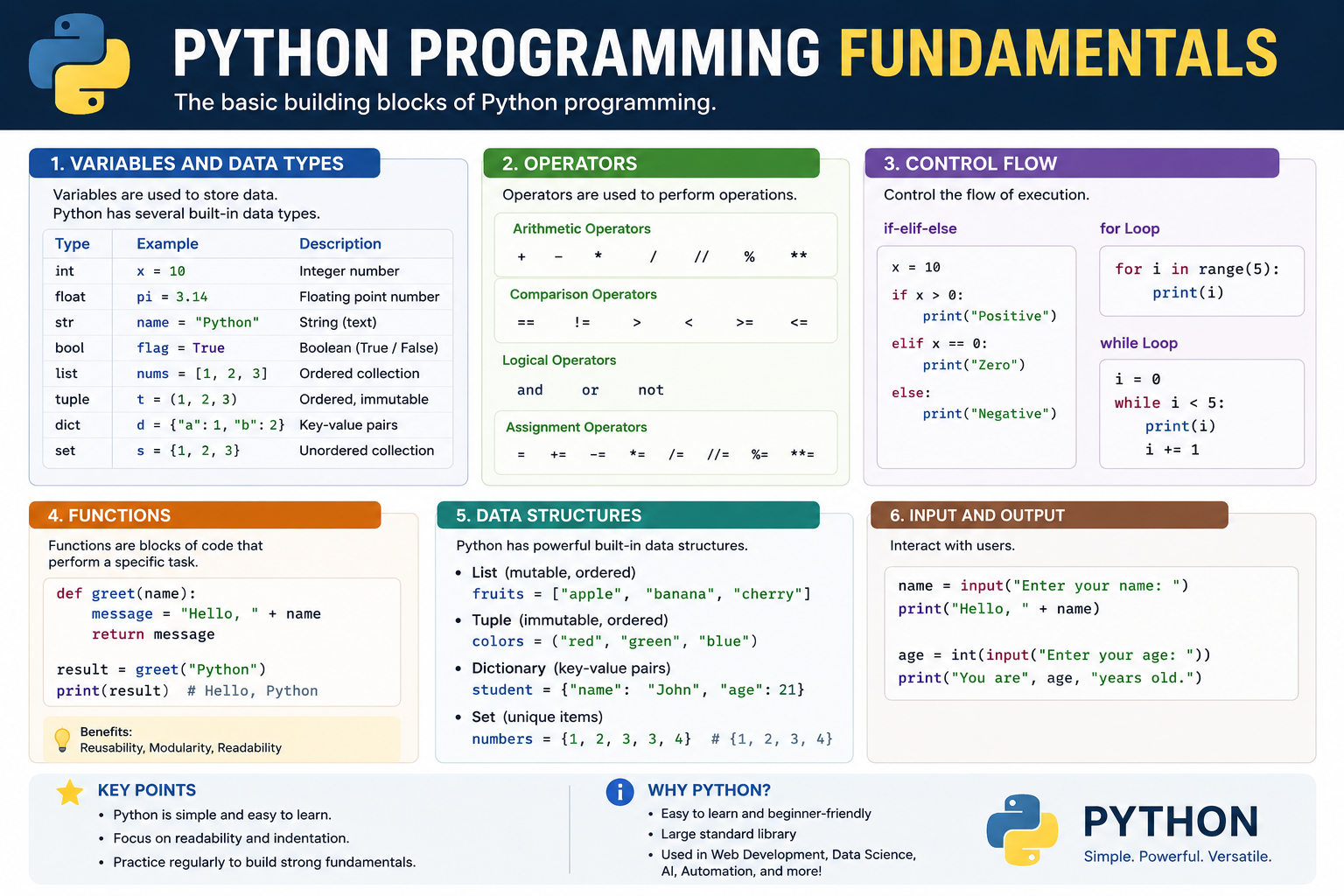
This specific module describes the skills, knowledge and attitude required to Apply Python Programming. This module is intended to prepare learners pursuing TVET Level 5 in software development. Upon completion of this module, the learner will be able to Prepare python environment, write basic python program and Apply object-driven in python.

- Teacher: Emmanuel SIBOMANA
This module describes the skills, knowledge and attitude required to carry out hatchery operations.
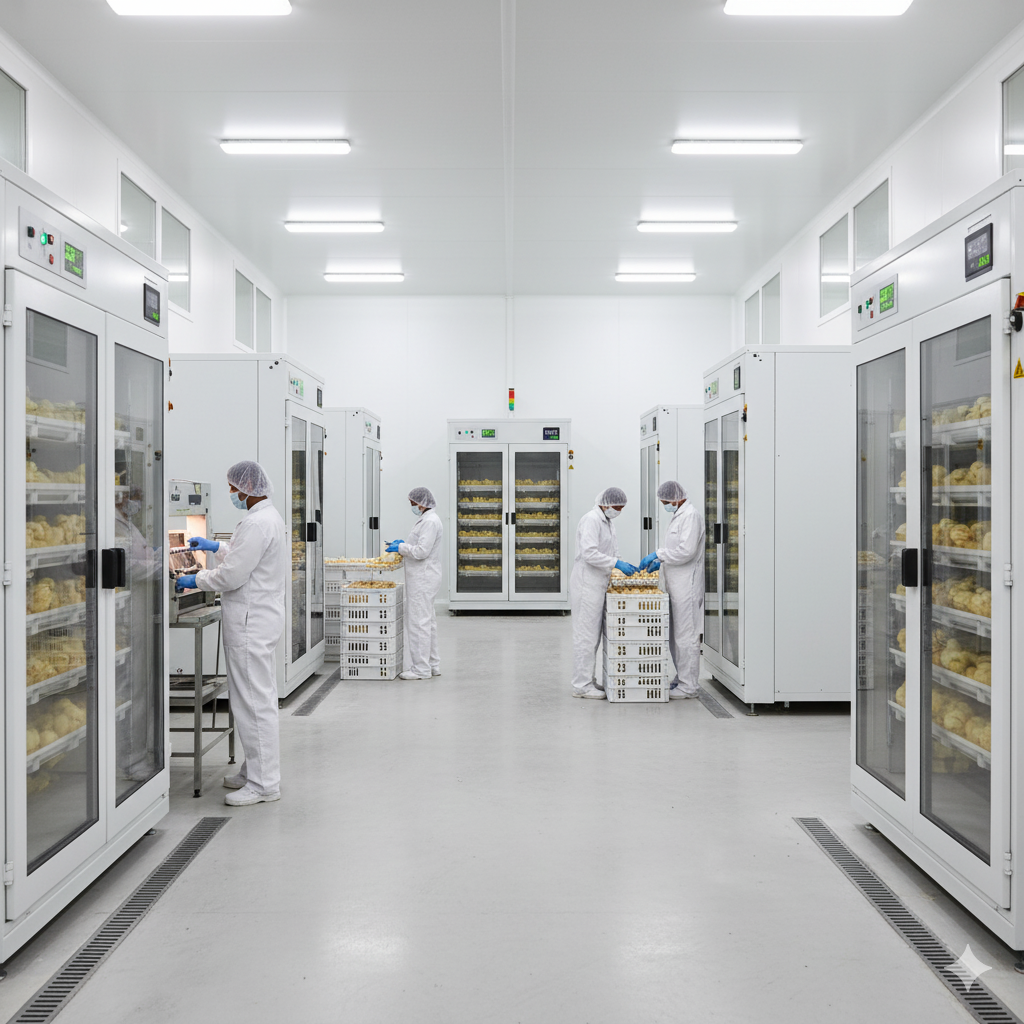
A hatchery is a facility where eggs are hatched under artificial conditions, especially those of fish, poultry.
The hatchery is a special building with controlled ventilation .it contains machines for holding and incubating large numbers of eggs . the hatchery is designed with hygiene in mind and is laid out so there is little chance of any contaminating organisms traveling back from hatched chicks to eggs brought in later.

- Teacher: Basamiraho Emmanuel
This module describes the skills, knowledge and attitude required to carry out hatchery operations.
It is intended to the learners pursuing TVET Certificate IV in Animal health.
Upon completion of this module the learner will be able to :
Receive eggs
Manage incubation
Maintain physical and environmental conditions of the hatchery
Perform Chick handling and care under minimum supervision

- Teacher: Basamiraho Emmanuel
A course on hatchery operations provides a comprehensive overview of the process of producing high-quality poultry or fish from eggs. The curriculum typically covers the entire lifecycle, from the selection and management of parent stock to the handling of newly hatched animals. The goal is to equip students with the knowledge and practical skills needed to optimize production, ensure animal health, and run an efficient and profitable hatchery.

- Teacher: Jean Pierre RURANGIRWA
The Hatchery Operations module provides learners with the knowledge and practical skills required to manage the incubation and hatching of poultry eggs in a hatchery environment. The module focuses on the correct handling and storage of fertile eggs, proper preparation and operation of incubators, and maintaining suitable conditions such as temperature, humidity, ventilation, and egg turning to ensure high hatchability. It also covers key management practices including egg candling, embryo development monitoring, sanitation and biosecurity measures, and chick handling after hatching. By the end of the module, learners will be able to operate hatchery equipment effectively, prevent contamination and disease spread, and produce healthy, high-quality chicks for poultry production.

- Teacher: NIYONZIMA Fiston
Describe how to get the chicks in poultry farming
purpose statement: This module describes the skills, knowledge and attitudes required by a veterinary nurse in treating and preventing infectious diseases. Any veterinary nurse has to treat common infectious diseases during his professional work. So, this competence is very important for the Veterinary nurse training. Upon completion of this module, the trainee will be able to: identify common infectious diseases, Perform diagnosis of common infectious diseases, and Perform treatment of common infectious diseases.

- Teacher: JeandeDieu KUBWIMANA
- Teacher: HAGENIMANA Eric
This module describes the skills, knowledge and attitudes required by a veterinary
nurse in treating and preventing infectious diseases. Any veterinary nurse has to
treat common infectious diseases during his professional work. So, this
competence is very important for the Veterinary nurse training. Upon completion
of this module, the trainee will be able to: identify common infectious diseases,
Perform diagnosis of common infectious diseases, and Perform treatment of
common infectious disease.

- Teacher: NIYONZIMA Fiston
PURPOSE STATMENT: This module describes the skills, knowledge and attitudes required to treat intoxications, nutritional and metabolic disorders. At the end of this module, participants will be able to identify, diagnose and treat intoxications, nutritional and metabolic disorders during the professional work.
- Teacher: JeandeDieu KUBWIMANA
This module describes the skills, knowledge and attitudes required to treat
intoxications, nutritional and metabolic disorders. At the end of this module,
participants will be able to identify, diagnose and treat intoxications, nutritional
and metabolic disorders during the professional work.
It is composed by 3 learning outcomes which are the following:
1) Identify intoxications, nutritional and metabolic disorders
2) Perform diagnosis of intoxications, nutritional and metabolic disorders and finally,
3) Perform treatment of intoxications, nutritional and metabolic disorders

- Teacher: Illuminee BARAKAGWIRA
- Teacher: Olivier MUHOZA
- Teacher: Christine URAYENEZA
This module describes the skills, knowledge and attitudes required to treat intoxications, nutritional and metabolic disorders.
At the end of this module, you will be able to identify, diagnose and treat intoxications, nutritional and metabolic disorders during the professional work.

- Teacher: Rene Heritier UWURUKUNDO
This module describes the skills, knowledge and attitudes required to treat
intoxications, nutritional and metabolic disorders. At the end of this module,
participants will be able to identify, diagnose and treat intoxications, nutritional
and metabolic disorders during the professional work.