Search results: 746
This This learning outcome describes the skills, knowledge and attitude required to develop a backend application using NodeJS. At the end of this This learning outcome the student will be able to develop RESTFUL APIs with Node JS.
(Duplicate)
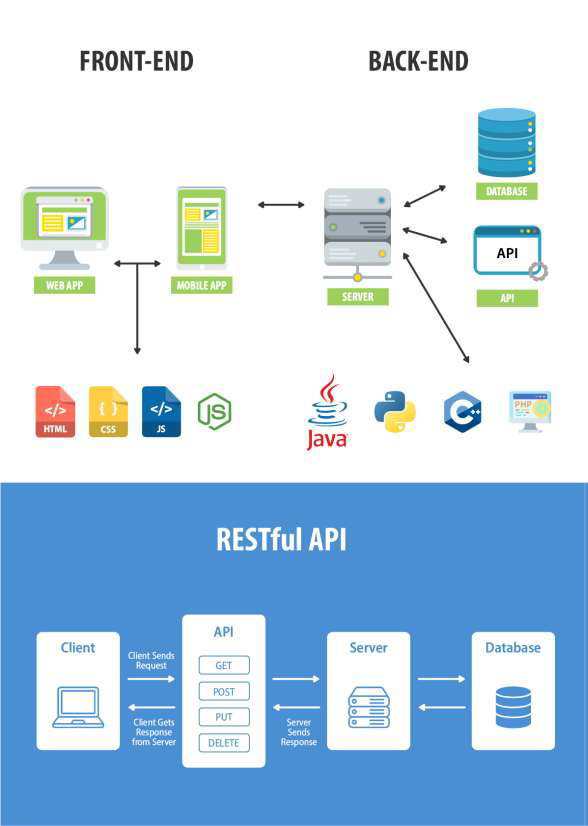
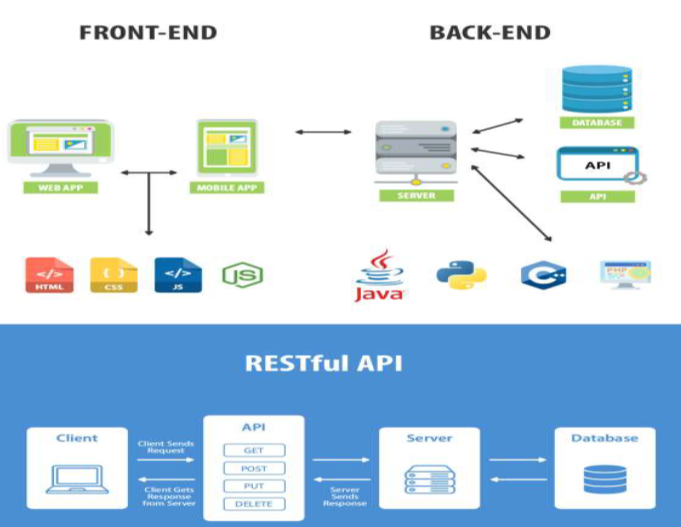
Building a backend application often begins with designing a RESTful API using Express.js, a fast and minimal web framework for Node.js. REST (Representational State Transfer) provides a structured way of designing APIs, where resources are represented with endpoints and standard HTTP methods—GET for retrieving data, POST for creating new data, PUT/PATCH for updating existing data, and DELETE for removal. Express makes this process straightforward by offering simple methods to define routes, handle requests, and send responses. Middleware in Express can also be used to process data, log activity, or handle errors, making the development flow more modular.
Once the core API is built, the next step is ensuring the application is secure. Security involves protecting the API from common threats such as SQL injection, cross-site scripting (XSS), and cross-site request forgery (CSRF). Developers often use tools like Helmet.js to set secure HTTP headers, bcrypt for password hashing, and JSON Web Tokens (JWT) or OAuth for authentication and authorization. Validating user input, enforcing HTTPS, and rate limiting requests are additional best practices to reduce vulnerabilities and prevent misuse.
After development and securing the application, the final stage is deployment. Backend applications built with Express.js can be deployed on various platforms such as cloud services (AWS, Google Cloud, Azure), containerized environments using Docker, or platform-as-a-service providers like Heroku and Vercel. Deployment usually involves setting environment variables, connecting to production databases, and configuring process managers like PM2 to ensure the application runs continuously and can recover from crashes. Load balancers and scaling strategies are also applied to handle high traffic and maintain performance.
In short, RESTful API development with Express.js provides the foundation for handling client-server communication, securing the backend ensures reliability and protection against attacks, and deploying the application makes it accessible to real users in production environments. Together, these steps form the backbone of modern backend development.
- Teacher: NDAGIJIMANA Silas
Learners are introduced to key concepts through short lectures, visual presentations, and guided demonstrations, then practice through coding exercises, installations, and configurations. Online platforms, tutorials, and forums extend learning beyond the classroom, while group projects and peer collaboration foster teamwork and problem-solving.

- Teacher: Emmanuel SIBOMANA
This module describes the skills, knowledge and attitude required to develop a backend application using NodeJS. This module is intended to prepare students pursuing TVET Level 4 in Software Development. At the end of this module the student will be able to develop RESTFUL APIs with Node JS, secure, test and manage backend application
- Teacher: Pacifique DUSABIMANA
- Teacher: PERPETUE KANGABO
- Teacher: RONGIN NYANDWI
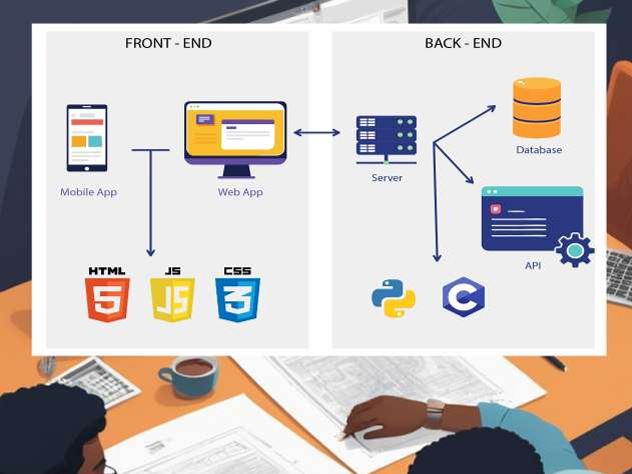
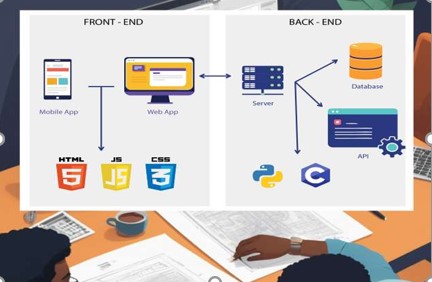
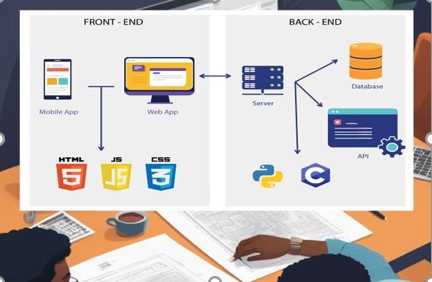
The backend system design module introduces students to the principles and practices of designing server-side systems that power applications.
It focuses on how data is processed, stored, and retrieved efficiently using databases and server logic.
Students will learn how to design system architectures that ensure reliability, scalability, and security.
The module emphasizes practical skills in organizing system components and managing communication between client and server.
The backend system design module introduces students to the principles and practices of designing server-side systems that power applications.
It focuses on how data is processed, stored, and retrieved efficiently using databases and server logic.
Students will learn how to design system architectures that ensure reliability, scalability, and security.
The module emphasizes practical skills in organizing system components and managing communication between client and server.

The backend system design module introduces students to the principles and practices of designing server-side systems that power applications.
It focuses on how data is processed, stored, and retrieved efficiently using databases and server logic.
Students will learn how to design system architectures that ensure reliability, scalability, and security.
The module emphasizes practical skills in organizing system components and managing communication between client and server.

- Teacher: JeanDamascene BIMENYIMANA
- Teacher: KWIZERA INGABIRE DIANE
- Teacher: Wilson NIYONKURU
- Teacher: JULES NTIGURIRWA
This module describes the knowledge, skills and attitude required to create highly precise
2D designs that visualize construction drawings. It is intended to be delivered to learners
pursuing TVET level IV in building construction. At the end of this module, the learner will
be able to create, modify and plot construction drawings.

- Teacher: IRABIZI Israel

- Teacher: JeanDamascene BIMENYIMANA
- Teacher: AUGUSTIN MBONIGABA
- Teacher: Jeremie NGIZWENAYO
- Teacher: Wilson NIYONKURU
- Teacher: Jeremie NIYONSENGA
- Teacher: Jeremie NSEKAMBABAYE
- Teacher: Jean Claude TUYISENGE
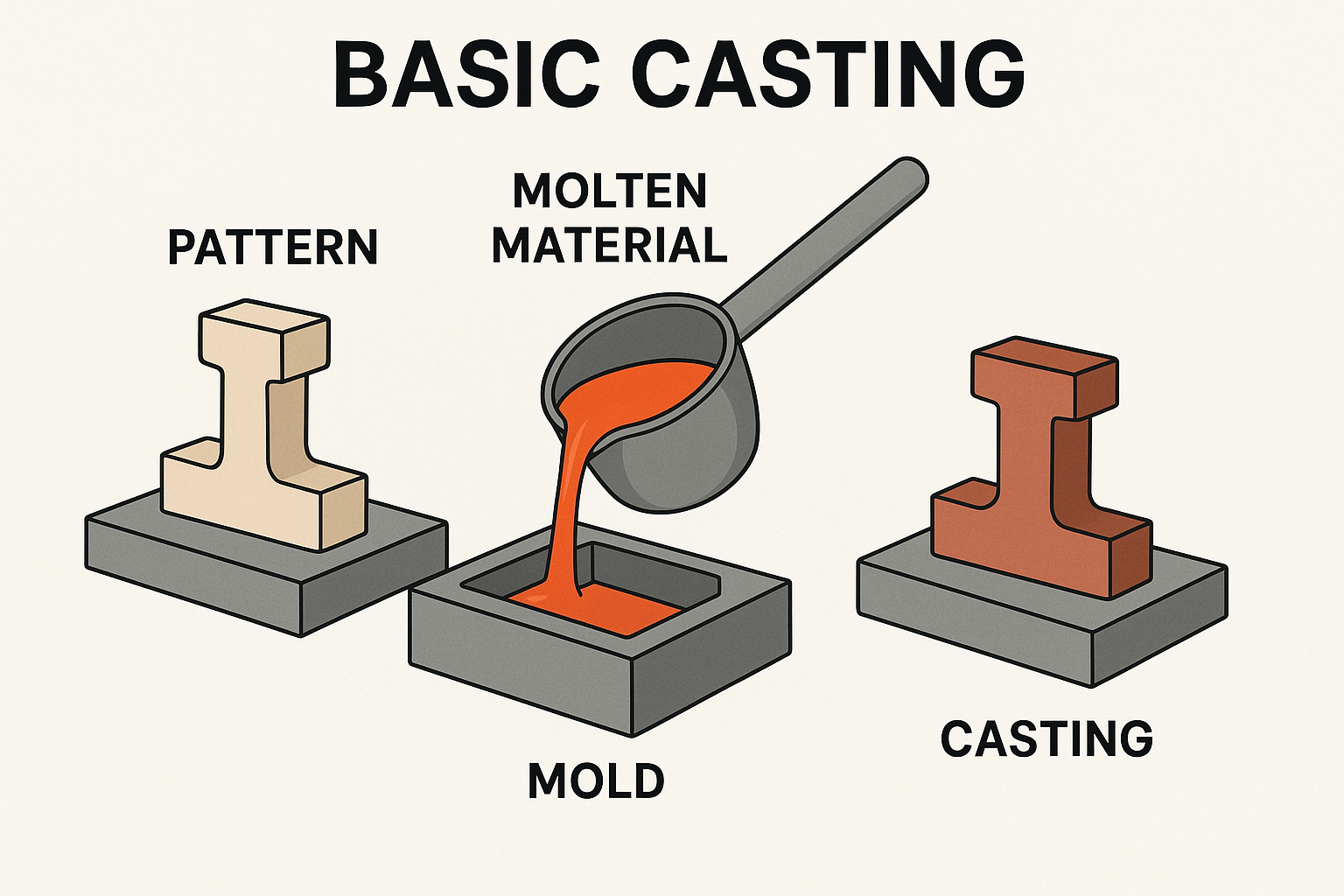
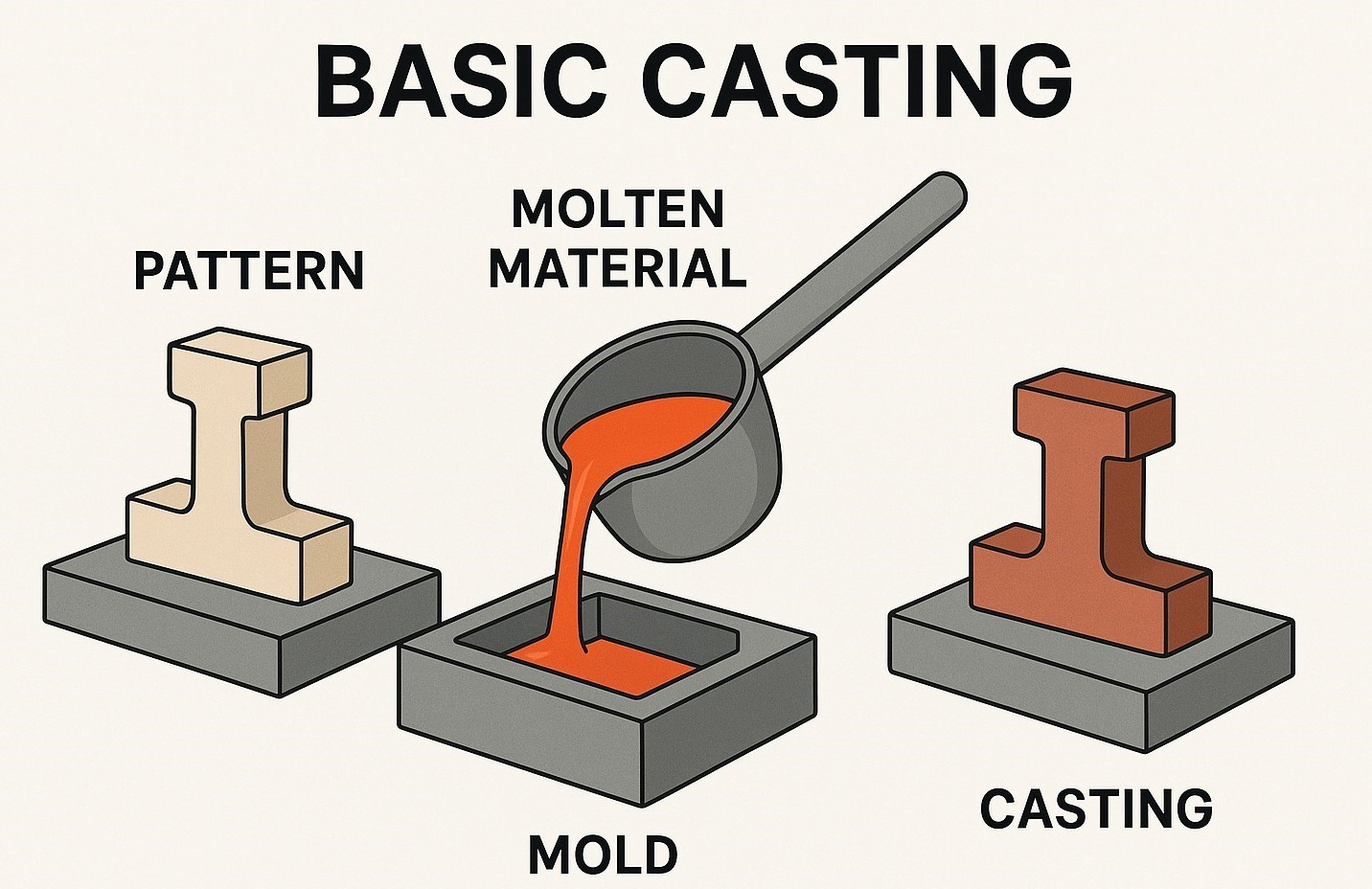
This course describes employable and practicable skills; knowledge and right attitudes
required by a learner to prepare materials, tools and equipment, carry out aluminum with
its alloys temperature casting process and perform post- casting activities.

- Teacher: JeanDamascene BIMENYIMANA
- Teacher: PHILIBERT GIRANEZA
- Teacher: Pascal NDAYISHIMIYE
- Teacher: Jeremie NGIZWENAYO
- Teacher: Wilson NIYONKURU
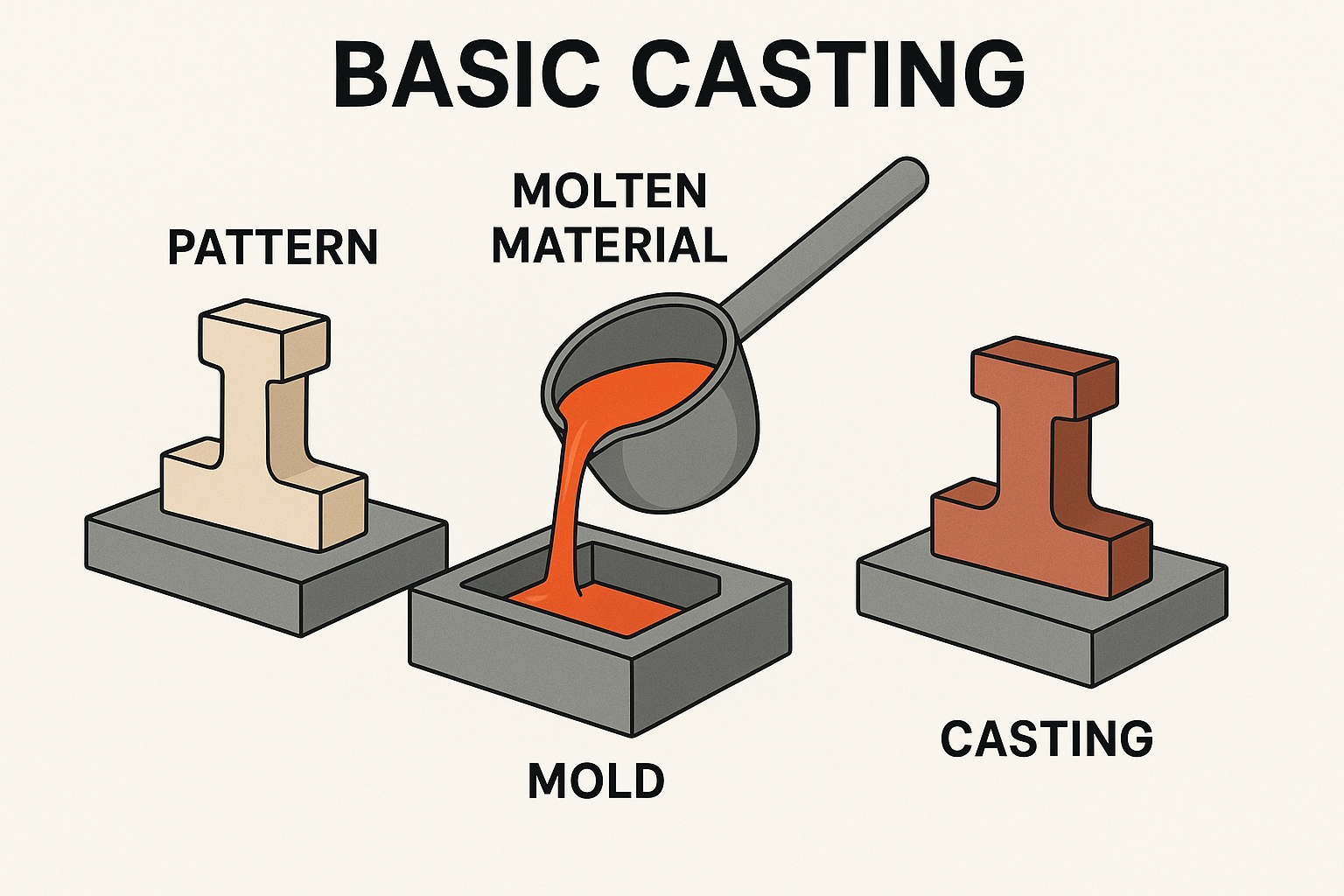
This module describes employable and practicable skills; knowledge and right attitudes required by a learner to prepare materials, tools and equipment, carry out aluminum with its alloys temperature casting process and perform post- casting activities

This module describes the skills, knowledge and attitudes required to perform basic
domestic electricity. It is intended to be pursued by learners at TVET Certificate III in
building construction. At the end of this module, the learner will be able to select tools,
materials, PPE and equipment, apply basic domestic installation and perform testing of
installed circuits. The learner deemed competent to this module may work at
construction site in basic domestic electrical installation stage under minimum
supervision.

- Teacher: Rachel KUBWUMUKIZA
Hydraulic Fluids:
-
Non-compressible fluids (usually oil) used to transmit power.
-
Operate using Pascal’s Law – pressure applied at one point is transmitted equally throughout the fluid.
-
Used for precise control and high force applications.
Pn
eumatic Fluids:
-
Use compressed air or gas to transfer energy.
-
Compressible, so less precise than hydraulics.
-
Work on the principle of air pressure and flow – air expands to create motion.
-
Common in fast, light-duty operations.
- Teacher: AUGUSTIN MBONIGABA

- Teacher: Lucie UWIZERA
This
core module describes the skills, knowledge and attitude to be acquired by the
learner to perform basics of plumbing; prepare materials, tools and Equipment;
demonstrate basics of pipe connection; demonstrate basics of sanitary
appliances and rain water tank installation
- Teacher: Celestin NSABIMANA
- Teacher: JEANPIERRE MURENGEZI