Search results: 347
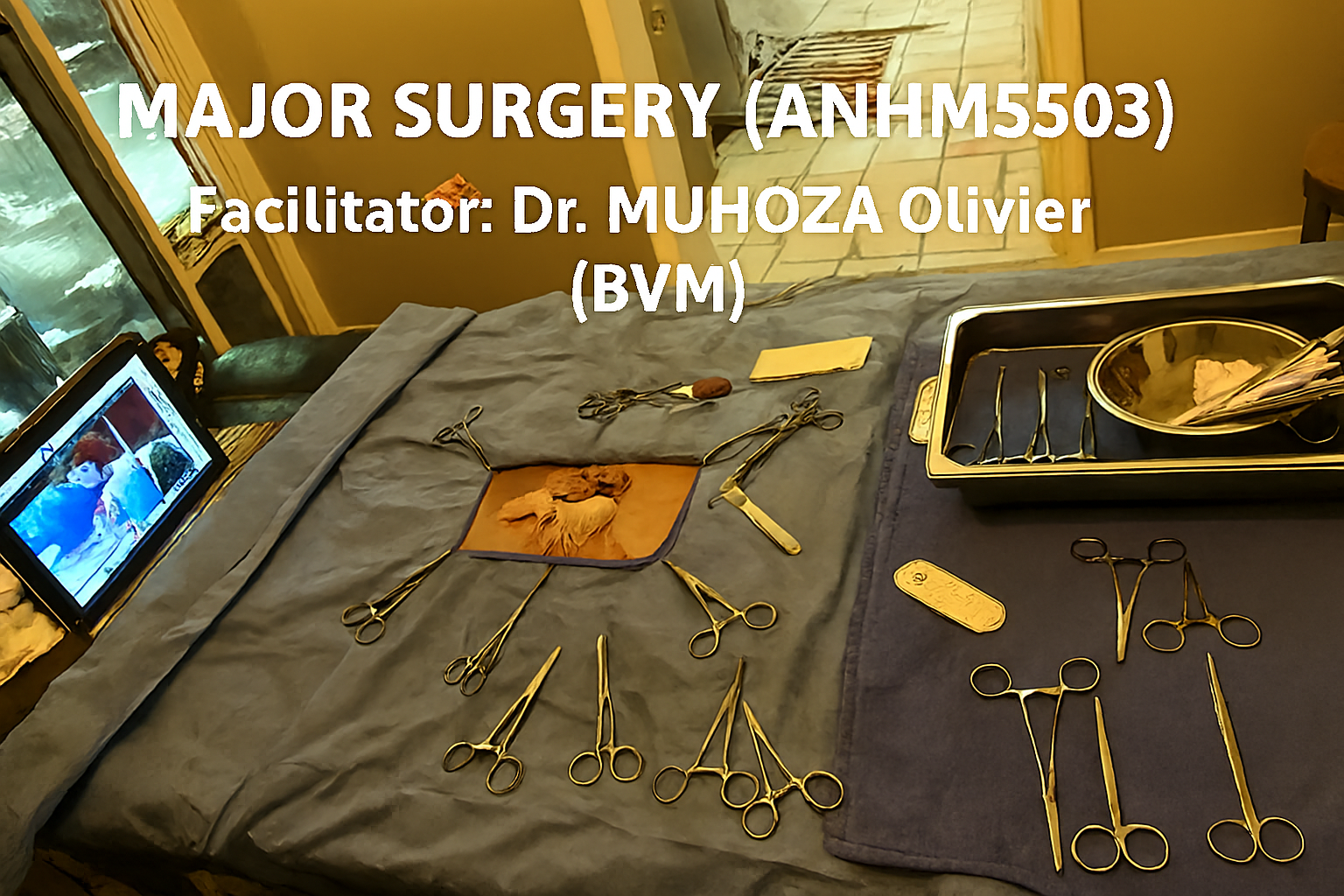
This module describes the skills, knowledge and attitude required to assist in
Major surgery. It is intended to the learners pursuing TVET Certificate V in
Animal health. Upon completion of this module the learner will be able to
perform preoperative activities, assist in surgical operations, perform post-operative care activities under minimum supervision. The module aims to provide you the required knowledge and skills that will help you to assist to surgical operations.
In this module the pre-operative activities prior to Major surgery procedures will be described. An emphasize will be made on the surgical operations to be performed following a regional body approach and the post-operative activities will lead you to the conclusion of the module. Welcome to the module.

- Teacher: Olivier MUHOZA
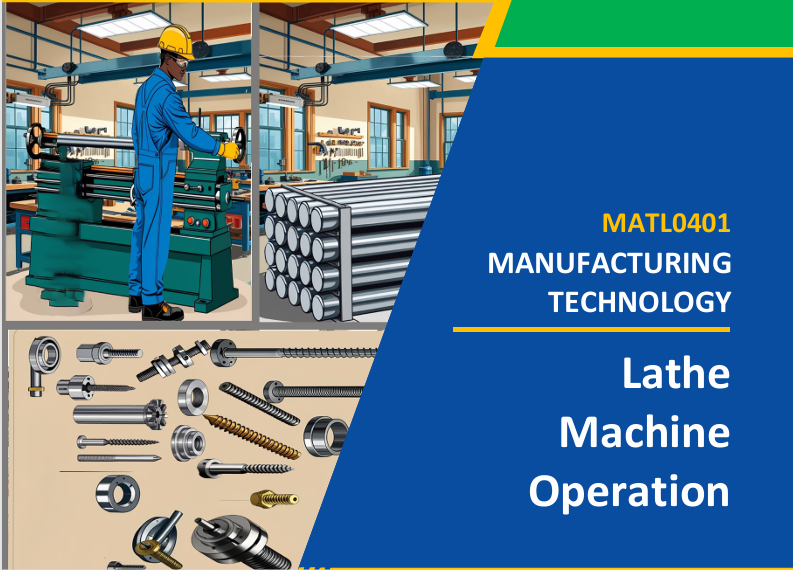
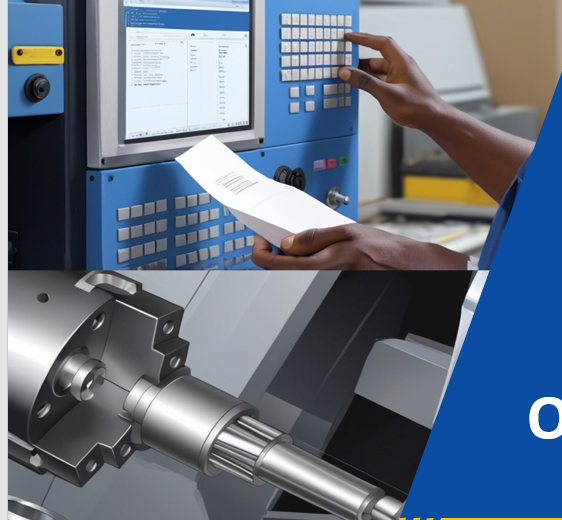
This Mechanical Fastening (MATMF301) provides learners with the knowledge and practical skills to join mechanical components using fasteners such as bolts, screws, nuts, and rivets. It covers preparation, including understanding fastener types, materials, tools, and pre-operation checks; execution, such as interpreting drawings, preparing parts, and applying fasteners accurately; and post-operation activities, including finishing assemblies, storing tools, and reporting work done.
- Teacher: NIYITEGEKA Jean Damascene
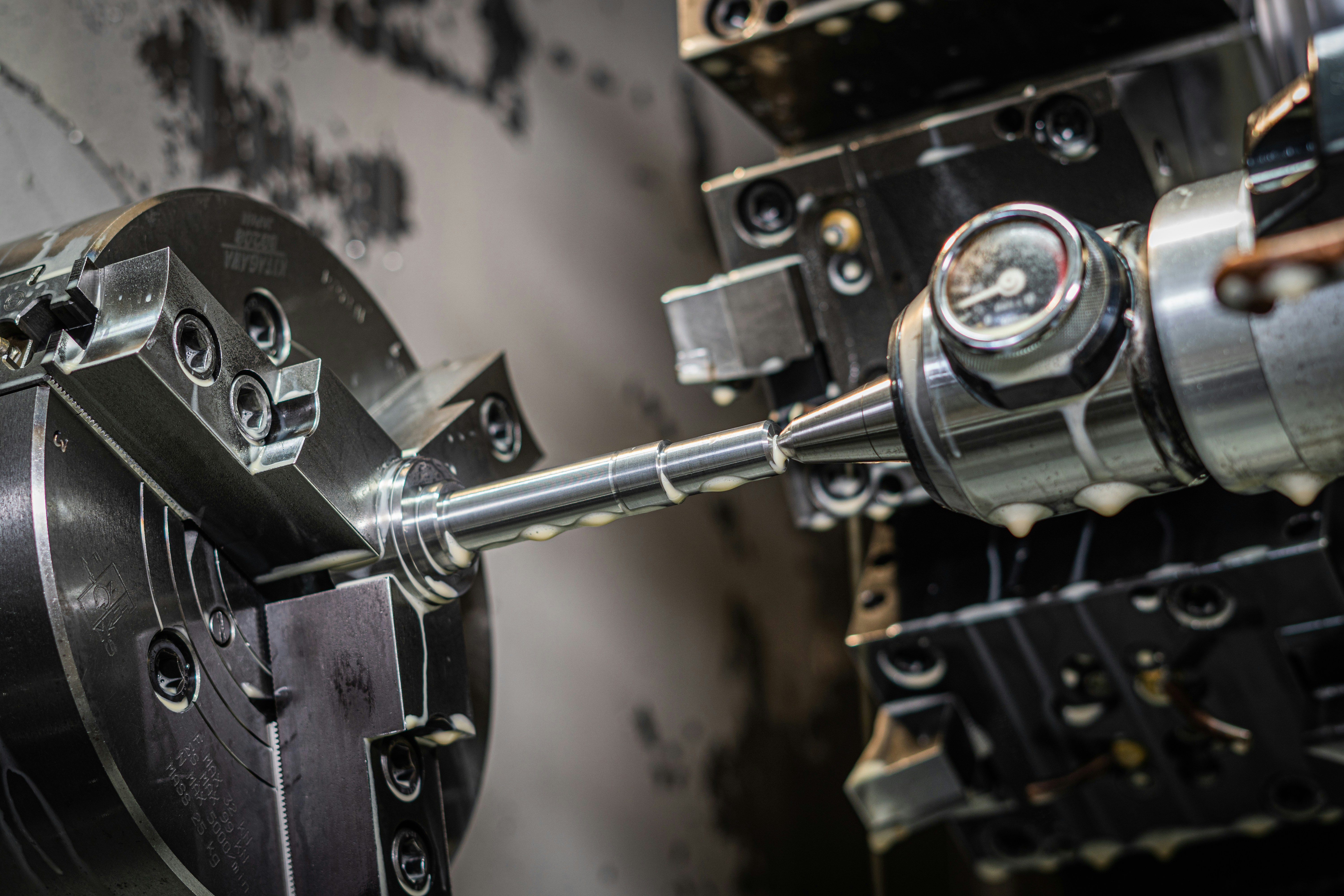
Metal Cutting is a fundamental manufacturing process in which material is removed from a metal workpiece in the form of chips to achieve a desired shape, size, and surface finish.
Key Elements of Metal Cutting:
-
Workpiece: The material being machined (usually metal).
-
Cutting Tool: A harder material used to shear off the metal.
-
Machine Tool: The device (e.g., lathe, milling machine) that provides motion between the tool and the workpiece.

- Teacher: ALBERT IMANIRAFASHA
This module will cover the fundamental aspects of metal cutting . It is divided into three key learning outcomes: preparing the workplace, which includes an introduction to metal cutting processes, safety practices, tool and material identification, and pre operation tasks; carrying out metal cutting, focusing on interpreting technical drawings, setting up equipment and workpieces, and performing cutting operations; and post operation activities, which involve finishing the product, cleaning the workspace and equipment, and proper storage of materials and tools. Each section includes competency development, detailed content, and end assessments to support practical skill acquisition.

- Teacher: |GIRINSHUTI Fabrice
Metal cutting is the process of removing material from a metal workpiece to give it a desired shape, size, or surface finish. This is usually done using a cutting tool that shears away small chips of metal. Metal cutting is an essential operation in manufacturing industries to create parts and components for machinery, vehicles, and equipment.
There are two main

- Teacher: OLIVIER MPARIBATENDA

- Teacher: Basamiraho Emmanuel
- Teacher: JeanDamascene BIMENYIMANA
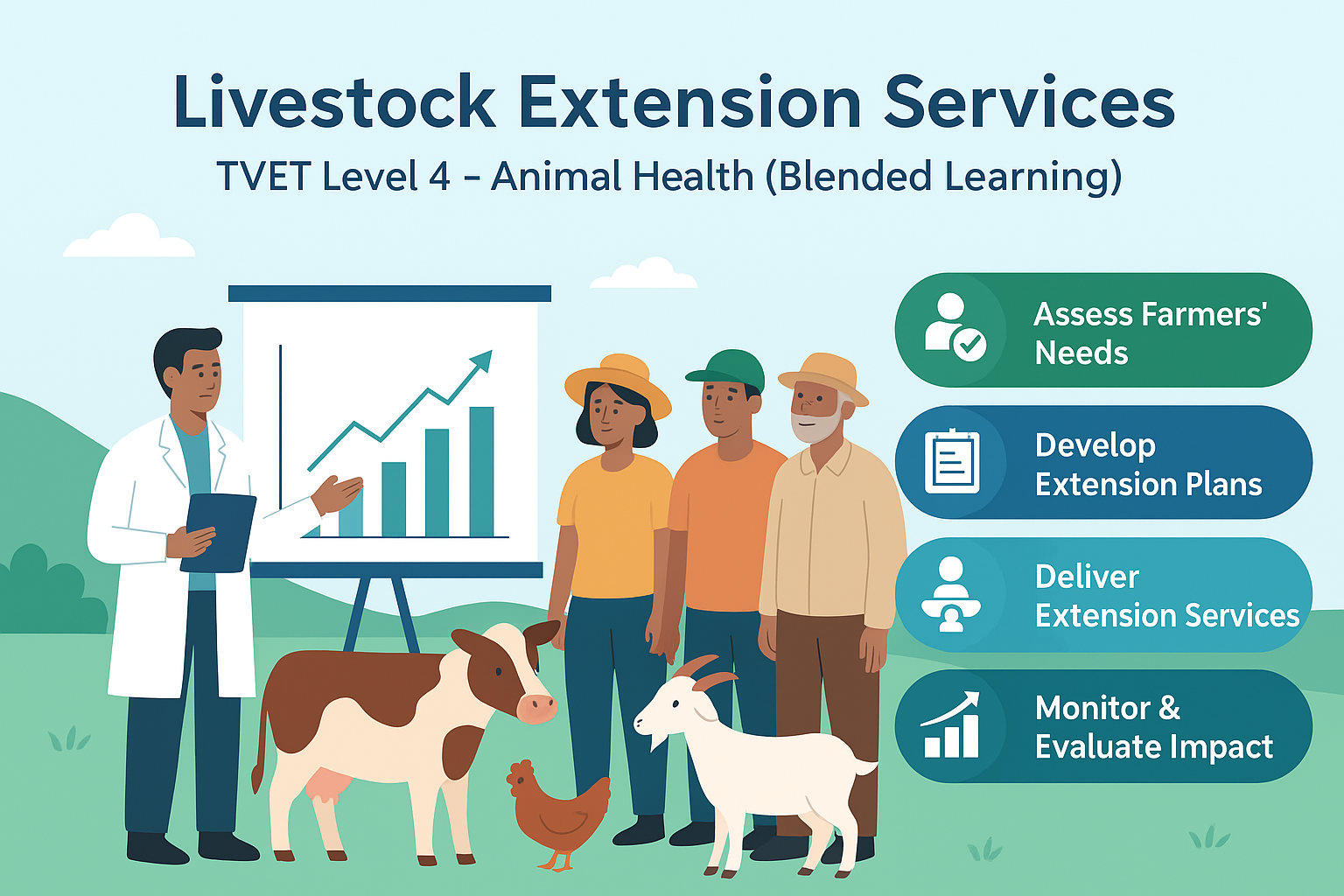
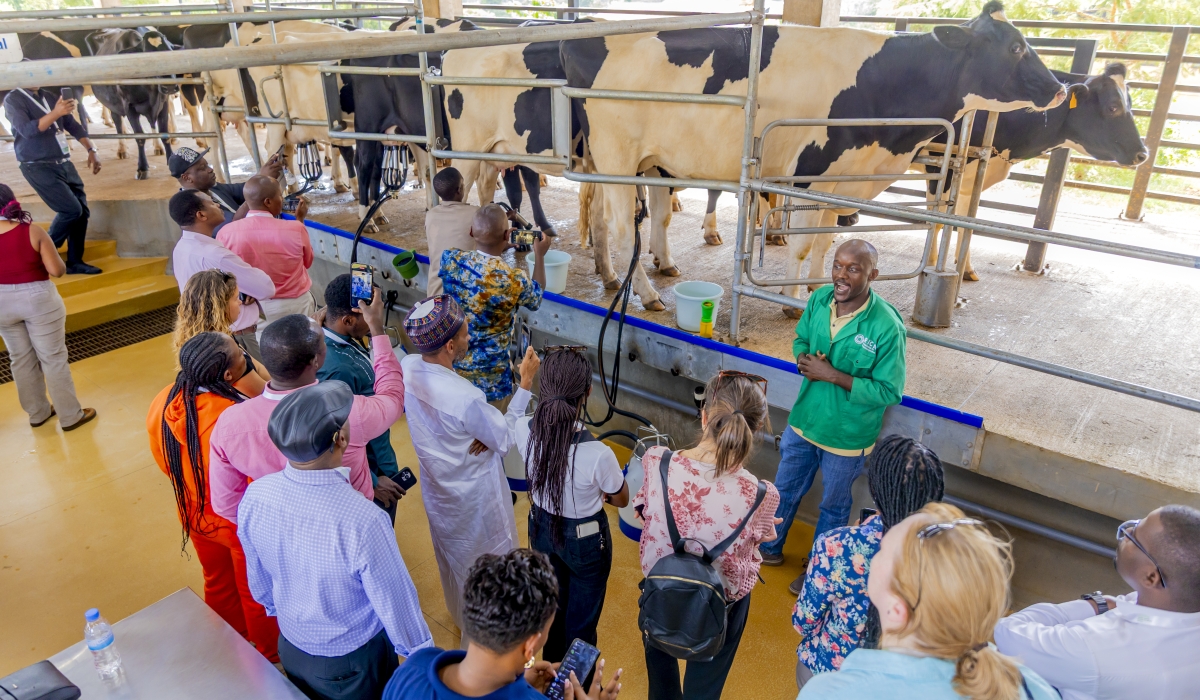
This course will describe the skills and attitudes that will help the learners from level four animal health to acquire knowledge and attitude on milking equipment hygiene , milk cows , monitoring milk quality and quantity , perform minor maintenance of troubleshooting issues and finally communicate effectively with the milking parlor team.

- Teacher: Olivier MUHOZA
- Teacher: INGABIRE Veronique

- Teacher: HAGENIMANA Eric
The Milling Machine Operations (MATMO501) module builds learners’ ability to organize, set up, and perform milling operations safely and efficiently. Key concepts include milling machine operation principles, workplace hazard control, product drawing interpretation, and preparation of materials, tools, and equipment. It also develops skills in setting mechanical components, adjusting milling parameters, and mounting workpieces for precision. Additionally, it emphasizes executing milling processes, inspecting and finishing milled parts, and integrating theoretical knowledge with practical application to ensure high-quality machine setup, operation, and quality assurance.
- Teacher: NIYITEGEKA Jean Damascene
The minerals industry in the field of Underground Mine Design is presently faced with the problem of meeting a rapidly increasing domestic and foreign demand for its mineral resources. This increased demand has added to the problems already plaguing the industry increased land, labor, and material costs; increased foreign competition; more rigid Federal and State mining laws pertaining to health and safety; increased public awareness of air, stream, and land pollution; and increased public concern of mining practices and conditions within the mines.

- Teacher: Eric Hitimana
The Mould Pattern Making (MATMP401) module develops learners’ knowledge and practical skills in designing, producing, and finishing mould patterns for metal casting. It focuses on workplace preparation, task analysis, tool and material organization, and safety practices. Learners gain competence in pattern and core box design, moulding box fabrication and assembly, and the use of Computer-Aided Drafting (CAD) for precision work. The module also covers surface finishing, product protection, workplace maintenance, and technical reporting. By completion, learners can plan, fabricate, assemble, and finish mould patterns and boxes in line with industrial quality and safety standards.
- Teacher: NIYITEGEKA Jean Damascene
- Teacher: GASPARD HARERIMANA
This module describes the knowledge and skills required for assisting to Necropsy evaluation. The module provide the essential for performing a pre-necropsy evaluation prior to necropsy procedures. The evaluation of body systems will be explained target the observation of macroscopic findings related to the cause of death. Before ending this module, you will be provided with essential knowledge that will help you to assist to laboratory sample analysis towards a decision of the Necropsy evaluation. Welcome to the module!
My name is MUHOZA Olivier, I am a Veterinary trainer at KISARO TSS. Allow me to introduce the module called NECROPSY EVALUATION (ANHNE503 as module code).This module describes the skills, knowledge and attitudes required to assist in
necropsy evaluation. At the end of this module, participants will be able to
perform pre-necropsy evaluation, assist in systemic evaluation and laboratory
analysis. Welcome to my module. THANK YOU!

- Teacher: Olivier MUHOZA
The purpose of learning ornamental finishing works is to equip you with the skills, knowledge, and attitudes required to improve the beauty, protection, and value of buildings. You will learn how to apply different finishes, You will protect building surfaces from weathering and damage and You will contribute to making buildings attractive, durable, and comfortable.

- Teacher: MUKANSANGA PASCALINE
Course Summary: Ornamental Finishing Works
The course on Ornamental Finishing Works introduces learners to the principles, materials, and techniques used in enhancing the aesthetic and functional qualities of buildings through decorative finishes. It emphasizes practical skills and theoretical knowledge required to execute works such as plaster mouldings, cornices, terrazzo finishes, wall and ceiling decorations, floor finishes, and other ornamental treatments.
The module covers the identification and preparation of finishing materials, use of appropriate tools and equipment, surface preparation, and application techniques to achieve durable and visually appealing finishes. It also integrates aspects of measurement, cost estimation, safety, and quality standards in ornamental works.
By the end of the course, students will have the competence to interpret drawings and specifications, prepare work surfaces, apply decorative finishes, and maintain high standards of workmanship that align with both traditional and modern construction practices.
- Teacher: JACQUES NZAMUKWEREKA
Ornamental finishing work refers to the decorative treatments and details applied to buildings after the main structural work is complete. These finishes are not just about beauty—they also serve functional purposes like protecting surfaces, improving durability, and sometimes even enhancing insulation or fire resistance.

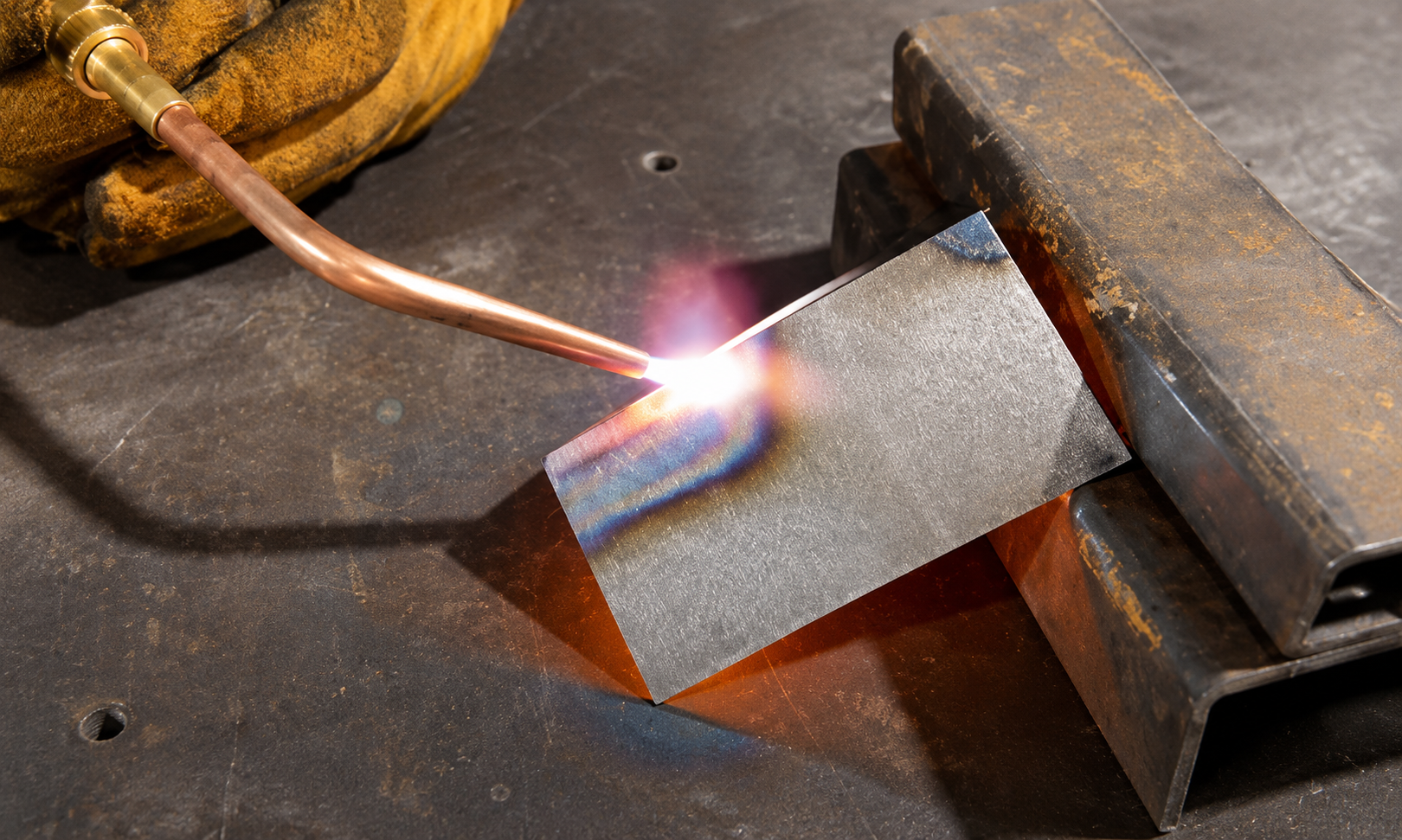
Oxy-acetylene gas welding is a fusion welding process that uses a flame produced by burning acetylene (C₂H₂) with oxygen (O₂) to melt and join metals.
2. Equipment Used:
-
Oxygen cylinder (black)
-
Acetylene cylinder (maroon)
-
Pressure regulators
-
Hoses (red for acetylene, blue for oxygen)
-
Welding torch
-
Welding tips/nozzles
-
Spark lighter
-
Protective gear (goggles, gloves, apron)
3. Types of Flames:
-
Neutral flame (1:1 ratio of oxygen and acetylene) – used for most welding.
-
Carburizing flame (excess acetylene) – used for welding high-carbon steels and non-ferrous metals.
-
Oxidizing flame (excess oxygen) – used for brass, bronze, and certain steels.
4. Advantages:
-
Portable and versatile.
-
Low initial equipment cost.
-
Suitable for welding, cutting, brazing, and heating.
-
Ideal for thin metal sheets and maintenance work.
5. Disadvantages:
-
Not suitable for welding thick sections.
-
Slower than arc welding.
-
Generates lower temperatures.
-
Fire and explosion risks due to combustible gases.
6. Applications:
-
Sheet metal work
-
Automobile repairs
-
Plumbing and refrigeration
-
Metal sculpture and art
7. Safety Precautions:
-
Check for leaks before use.
-
Use in well-ventilated areas.
-
Never use oil or grease on regulators or fittings.
-
Keep cylinders upright and secured.
-
Follow correct lighting and shutdown procedures.

- Teacher: ALBERT IMANIRAFASHA