
Search results: 629
This specific module describes the skills, knowledge and attitude required to Apply Machine Learning Fundamentals. This module is intended to prepare students pursuing TVET Level 5 in software development. Upon completion of this module, the learner will be able to Apply Data Pre-processing, Develop Machine Learning Model and Perform Model Deployment.

- Teacher: Emmanuel SIBOMANA
- Teacher: MarieGrace UWURUKUNDO
This course guides you through the basics of Vue.js, from setting up the environment to applying the framework’s core features. you will plan and design a simple game, then develop and deploy it, gaining practical skills in building interactive applications with Vue.

- Teacher: Jean Claude TUYISENGE
At the end of the Vue.js framework course, the learner will be able to develop dynamic and responsive web applications using Vue.js by understanding its core concepts such as the Vue instance, directives, components, templates, data binding, and event handling.

- Teacher: UWIZEYIMANA Isaie
- Teacher: JEANMARIEVIANNEY NSENGIYUMVA
Course Summary of Terrazzo Works
The Terrazzo Works course introduces learners to the fundamental principles, techniques, and applications of terrazzo in construction finishing. Terrazzo is a composite material used for durable and decorative floor, wall, and surface finishes. This course covers the identification of tools, equipment, and materials used in terrazzo works, preparation of surfaces, mixing and laying terrazzo, grinding, polishing, curing, and maintenance.
Learners gain both theoretical knowledge and hands-on practical skills necessary to produce high-quality terrazzo finishes that meet structural and aesthetic standards. The course also emphasizes safety practices, quality control, and environmental considerations in terrazzo production and installation.
By the end of the course, learners are expected to develop competencies in selecting materials, preparing terrazzo mixtures, applying terrazzo techniques, finishing surfaces to the required standard, and maintaining completed terrazzo works. This prepares them for opportunities in the construction and finishing industry.

- Teacher: JACQUES NZAMUKWEREKA
At end of this module the learner will be able to perform terraz
This module describes the knowledge, skills, and attitude required to perform terrazzo
works on building construction sites. It is intended to be pursued by learners at TVET level
IV in building construction. At the end of this module, the learner will be able to perform
terrazzo preliminary works, produce precast and cast in situ terrazzo, and install pre
casted terrazzo with respect to the standards.

- Teacher: Onesphore MUHIRE
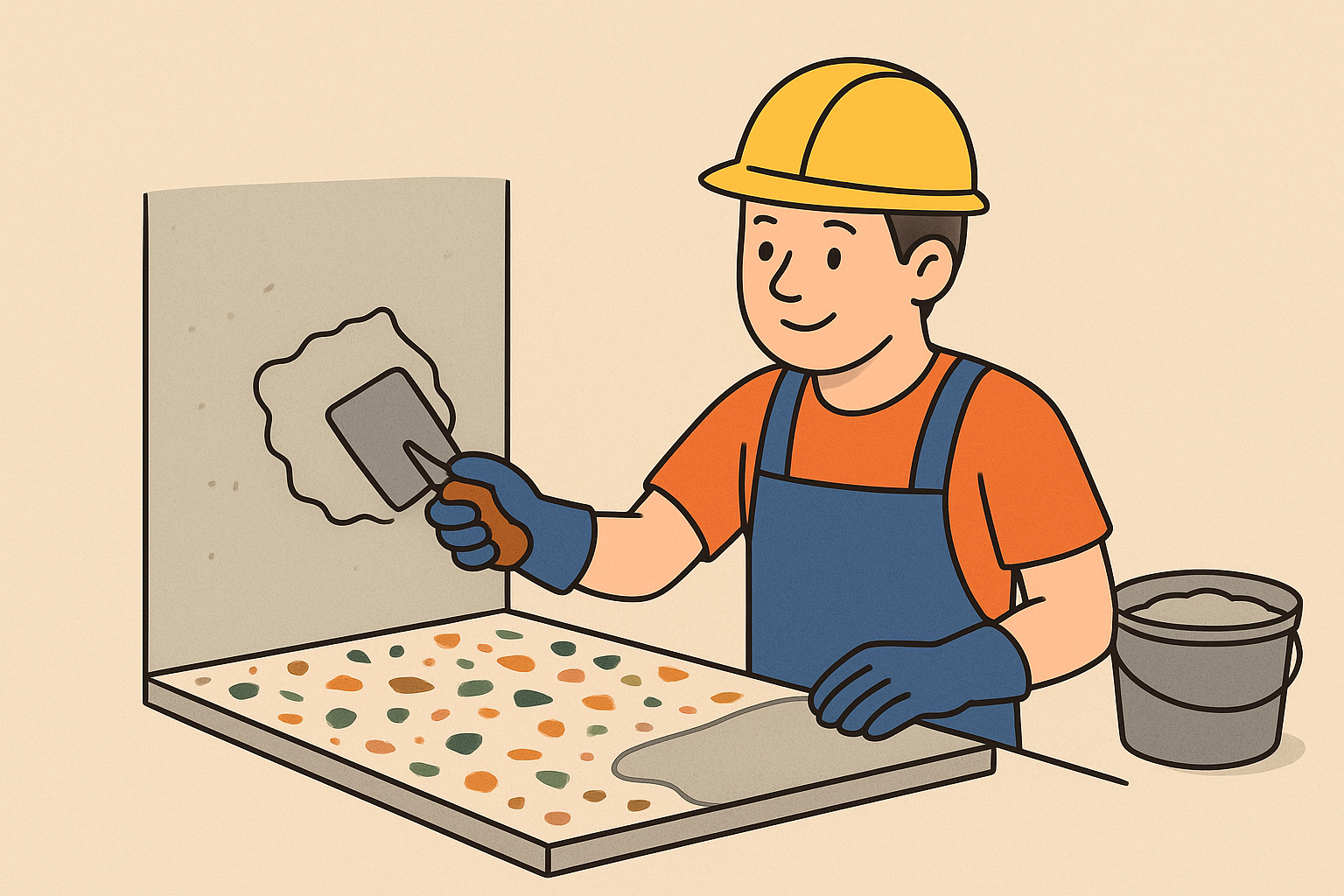
Terrazzo is a decorative material that has been around for centuries, originally developed in Italy. It’s made by embedding chips of marble, granite, quartz, or glass in a cement or resin base, which is then polished to a smooth, shiny finish. The process is known for its durability, versatility, and aesthetic appeal, making it popular in both residential and commercial spaces.


- Teacher: Celestin NSABIMANA
This module describes the knowledge, skills, and attitude required to perform terrazzo works on building construction sites. It is intended to be pursued you at TVET level IV in building construction. At the end of this module, you will be able to perform terrazzo preliminary works, produce precast and cast in situ terrazzo, and install pre-casted terrazzo with respect to the standards
- Teacher: MUKANSANGA PASCALINE
- Teacher: Vestine MUNKURIZE
This module describes the knowledge, skills, and attitude to be acquired in order to place
well tiles on the walls, stairs and floors. It is intended to be pursued by learner at TVET
level IV Building Construction. At the end of this module, the learner will be able to
prepare working area, select materials, tools and equipment. He/She will also be able to
cut, apply tiles, and perform grouting and cleaning of the workplace.

- Teacher: Gratien HABIHIRWE
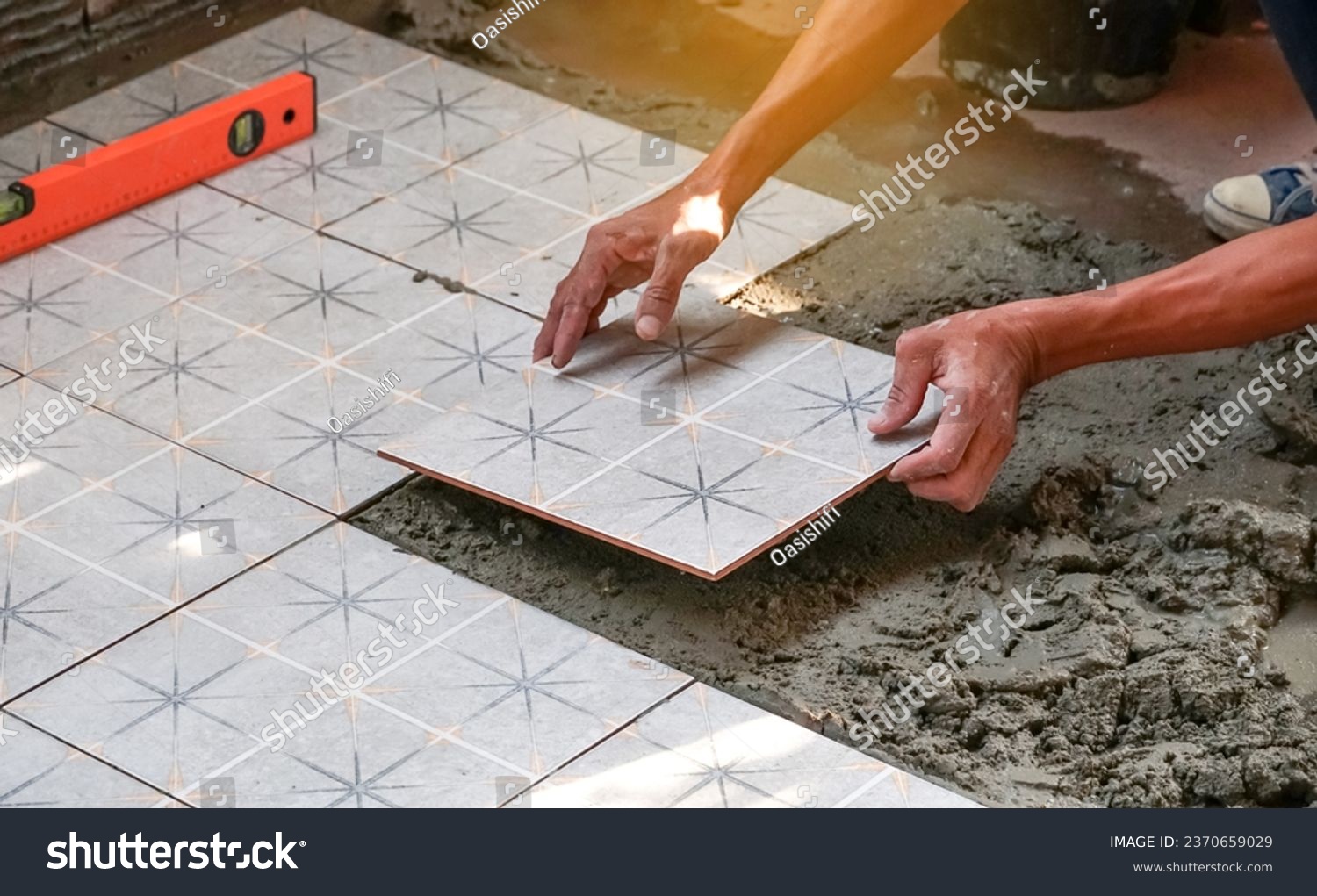
This course provides a comprehensive understanding of tile works, covering the principles, techniques, and best practices involved in the installation and maintenance of various types of tiles. Participants will learn about different tile materials, tools, and methods, ensuring they can effectively plan, execute, and troubleshoot tile projects in both residential and commercial settings.
- Teacher: INNOCENT MUHAWENIMANA
This module describes the knowledge, skills, and attitude to be acquired in order to place well tiles on the walls, stairs and floors. It is intended to be pursued you at TVET level IV Building Construction. At the end of this module, you will be able to prepare working area, select materials, tools and equipment. you will also be able to cut, apply tiles, and perform grouting and cleaning of the workplace.

- Teacher: MUKANSANGA PASCALINE
This module describes the knowledge, skills, and attitude to be acquired in order to place
well tiles on the walls, stairs and floors. It is intended to be pursued by learner at TVET
level IV Building Construction. At the end of this module, the learner will be able to
prepare working area, select materials, tools and equipment. He/She will also be able to
cut, apply tiles, and perform grouting and cleaning of the workplace.

- Teacher: Alexis NDIKUBWIMANA
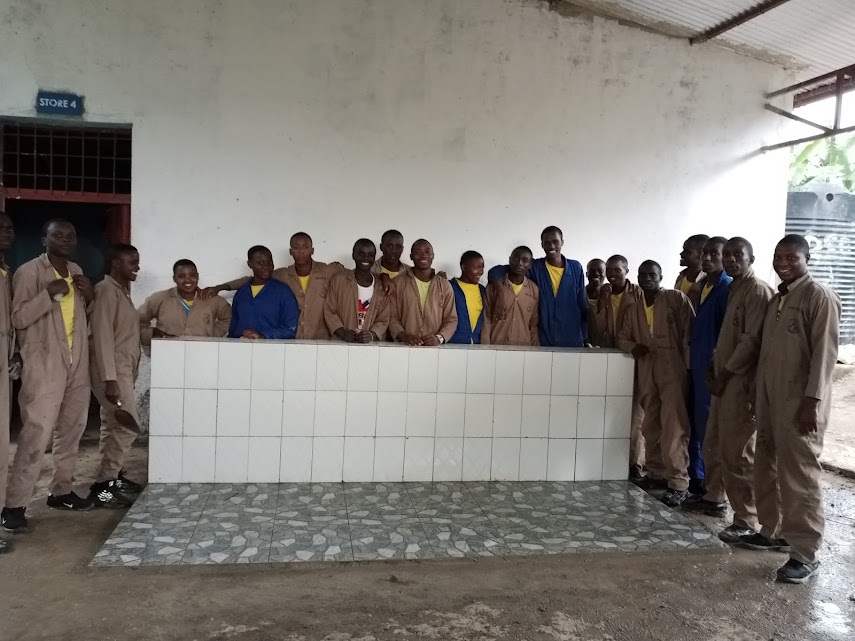
This module describes the knowledge, skills, and attitude to be acquired in order to place
well tiles on the walls, stairs and floors. It is intended to be pursued by learner at TVET
level IV Building Construction. At the end of this module, the learner will be able to
prepare working area, select materials, tools and equipment. He/She will also be able to
cut, apply tiles, and perform grouting and cleaning of the workplace.
- Teacher: Onesphore MUHIRE
Introduction
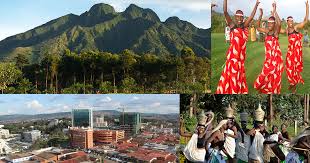
Community-based Tourism (CBT) is one of the tourism sub-sectors with a direct social and
economic impact on local communities. By developing Community-based Tourism Enterprises
(CBTEs), communities gain income-generating opportunities and better job prospects. At the
same time, CBT helps communities to manage and preserve their knowledge and cultural
resources. It allows them to take part in the direct development of their communities while
simultaneously reaping the benefits of tourism. CBT places a strong emphasis on all aspects of
social, cultural, economic, and environmental sustainability. In Rwanda, CBT is closely linked
with the growth of eco-tourism and sustainable tourism. The Government of Rwanda identified
CBT as a key tourism development priority for diversifying the tourism industry beyond gorilla
related tourism. The Tourism Policy (2009) targets support at viable Small, Micro and Medium
Enterprises (SMMEs) offering marketable tourism products and services that meet essential
quality standards as well as aiming to promote CBT 1 in order to achieve a wider spread of the
economic benefits from tourism, especially with regards to the rural sector. The module of
community based tourism comprises three learning units and ten learning outcomes which will
be delivered in one hundred and twenty hours (120). Within twelve (12) credits.
Sector: Hospitality and Tourism
Sub-sector: Tourism

- Teacher: Origene IGIRANEZA
This module describes the performance outcomes, skills and knowledge required to develop and update current and emerging information on the Tourism industry, including industry structure, current technology and key environmental, community, legal and ethical issues that must be considered by tourism industry personnel in their day-to-day work. The module focuses on the ability to source and comprehend general tourism industry information and covers the initial and ongoing development of a person's required knowledge base. This information underpins effective performance in the Tourism industry. More specialized and advanced Tourism research and management knowledge is found in other units.
The module is for:
- Level 3
- Credits: 5
- Sector: Hospitality and Tourism
- Sub-sector: Tourism
- Teacher: Eric Hitimana
This module describes the skills, knowledge and attitude required to
design UI/UX for software and web applications.
At the end of this module, the students will be able to Analyse User
Experience through defining User journey the trainees will be able to
design software Mockup

- Teacher: Vincent NSANZIMANA