Search results: 629
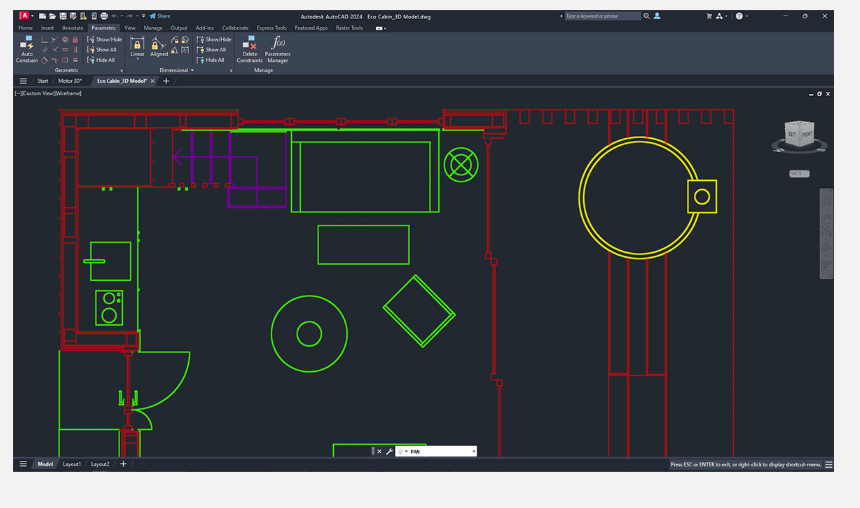
This module describes the knowledge, skills and attitude required to create highly precise
2D designs that visualize construction drawings. It is intended to be delivered to learners
pursuing TVET level IV in building construction. At the end of this module, the learner will
be able to create, modify and plot construction drawings.
- Teacher: Celestin NDAYAMBAJE
This module equips trainees with the foundational knowledge and practical skills to manage hydraulic and pneumatic systems effectively
- Teacher: RAISSA IRADUKUNDA
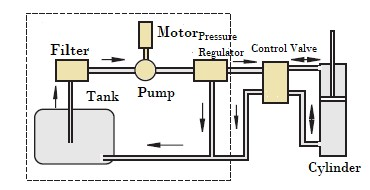
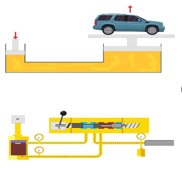
Hydraulic and pneumatic systems are both fluid power systems used in engineering and industry to transmit power and motion. They work by using a fluid as the medium to transfer energy from one point to another, enabling machines to perform useful work
- Teacher: NIYITEGEKA Patrick
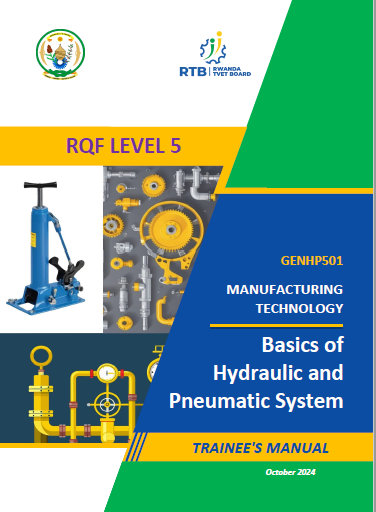
Hydraulic and pneumatic systems are widely used in engineering and industry as power transmission methods. Both rely on fluids to transmit force and motion: hydraulics uses incompressible liquids (usually oil), while pneumatics uses compressible gases (usually air). Understanding these systems requires knowledge of their principles, components, and characteristics.
- Teacher: |GIRINSHUTI Fabrice
- Teacher: Emmanuel HABIMANA
- Teacher: Clemence MUKASHYAKA
- Teacher: JEANDAMASCENE NIYIBIZI
- Teacher: Jeremie NIYONSENGA
- Teacher: NIYITEGEKA Patrick
- Teacher: Theoneste SEMAJERI
Hydraulic
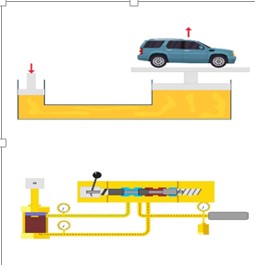
and pneumatic systems are widely used in engineering and industry as power
transmission methods. Both rely on fluids to transmit force and motion:
hydraulics uses incompressible liquids (usually oil), while pneumatics uses
compressible gases (usually air). Understanding these systems requires
knowledge of their principles, components, and characteristics.
- Teacher: |GIRINSHUTI Fabrice
- Teacher: Emmanuel HABIMANA
- Teacher: NIYITEGEKA Jean Damascene
- Teacher: INNOCENT MUHAWENIMANA
- Teacher: Clemence MUKASHYAKA
- Teacher: Pierre MUNYAMBONERA,
- Teacher: JEANDAMASCENE NIYIBIZI
- Teacher: Jeremie NIYONSENGA
- Teacher: Theoneste SEMAJERI
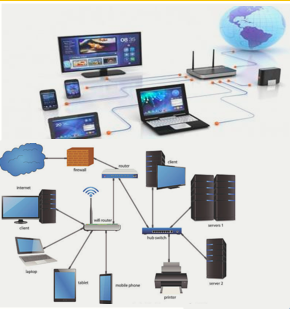
This module provides students with the foundational knowledge and practical skills required to
understand, build, and maintain small-to-medium-sized networks.
- Teacher: Pacifique DUSABIMANA
- Teacher: Josephine MUTUMYINKA
Course overview:
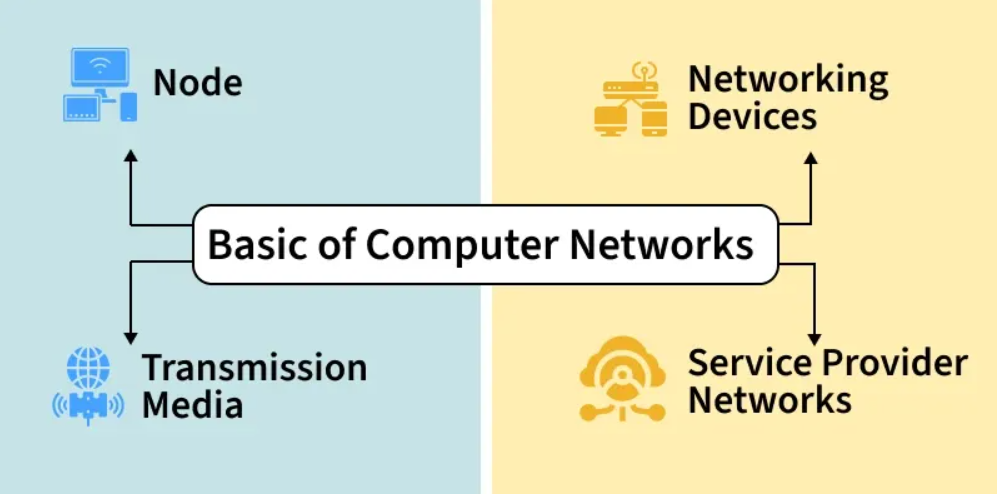
The Basics of Networking module introduces students to the fundamental concepts, components, and functions of computer networks. It provides a solid foundation for understanding how devices communicate, share resources, and access the internet within various types of networks.
Course aims
The aim of this module is to introduce students to the fundamental principles and concepts of computer networking. It is designed to provide a solid foundation in how networks operate, the hardware and software components involved, and the protocols that enable communication between devices. The module equips learners with the essential knowledge and basic practical skills required to understand, build, and troubleshoot simple networks.Facilitator Contact: MASENGESHO Marie Chantal ,0788435659 e-mail address:masengeshomariechantal@gmail.com
- Teacher: JeanBaptiste IRANKUNDA
- Teacher: PERPETUE KANGABO
- Teacher: Emmanuel SIBOMANA
- Teacher: Jean Claude TUYISENGE
- Teacher: Leonard TUYISINGIZE
- Teacher: MarieGrace UWURUKUNDO
This module provides Students with the
foundational knowledge and practical skills required to understand, build, and
maintain small-to-medium-sized networks.

- Teacher: Pacifique DUSABIMANA
- Teacher: KWIZERA INGABIRE DIANE
- Teacher: Vincent NSANZIMANA
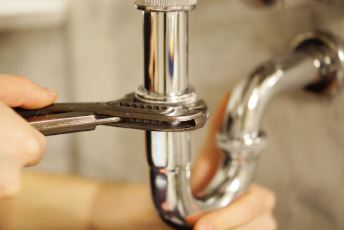
This core module describes the skills, knowledge and attitude to be acquired by the learner to perform basics of plumbing; prepare materials, tools and Equipment; demonstrate basics of pipe connection; demonstrate basics of sanitary appliances and rain water tank installation.
- Teacher: Marie Chantal MUKANEZA
Course Summary: Basic Plumbing
The Basic Plumbing course introduces learners to the fundamental principles, tools, materials, and techniques used in plumbing works. It focuses on the installation, maintenance, and repair of water supply systems, drainage systems, and sanitary fittings. Learners are trained to interpret plumbing drawings, identify plumbing materials, and apply safety practices while performing tasks.
The course covers essential topics such as measuring, cutting, and joining pipes; installing fixtures like sinks, toilets, and taps; understanding water distribution and drainage systems; and applying troubleshooting skills to common plumbing problems. Practical exercises are emphasized to build hands-on skills that meet industry standards.
Upon completion, learners will have the basic knowledge and practical competence required to carry out plumbing tasks safely and effectively, preparing them for entry-level roles in construction and maintenance or further specialization in plumbing and related fields.
- Teacher: JACQUES NZAMUKWEREKA
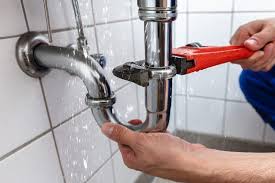
This module introduces the fundamental concepts of plumbing, including tools, materials, systems, and basic installation techniques used in water supply and drainage. Learner will gain practical skills for identifying, assembling, and maintaining plumbing components safely and effectively.
- Teacher: Jean Marie Vianney TWIZEYIMANA
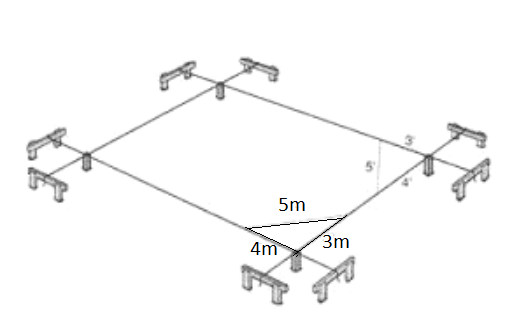
This core module describes the performance outcomes skills, knowledge, and attitude to set out a building on the site where the learner will be able to clean the site, and then set the leveling instruments and demarcate the foundation, walls, and columns on pegs, profiles, and lines as required.
- Teacher: Eric Hitimana
- Teacher: Origene IGIRANEZA
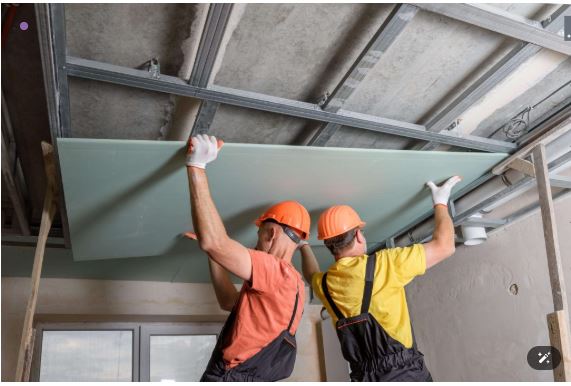
This specific module describes the skills, knowledge and attitudes required to
construct ceiling. It is meant for learners who have successfully completed level IV
in building construction and pursuing level V in building construction. At the end of
this module students will be able to Perform ceiling preliminary works, set out
ceiling, construct ceiling frame and apply ceiling coverings with minimum
supervision.
- Teacher: Patrick KURAMBA
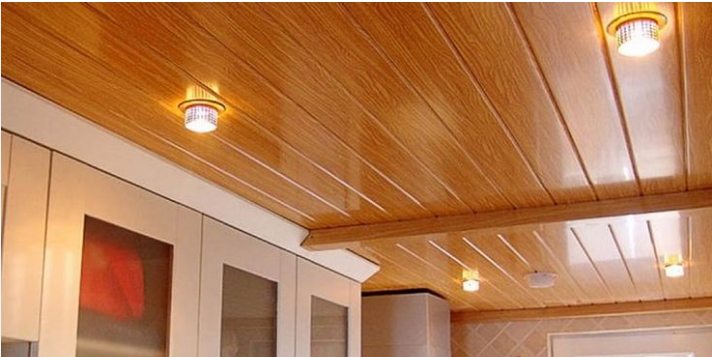
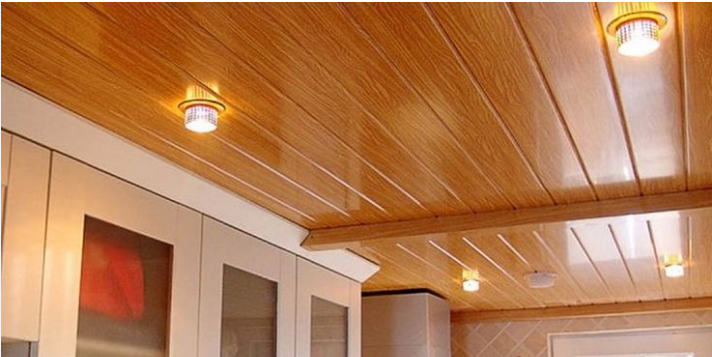 This specific module describes the skills, knowledge and attitudes required to construct ceiling. Learners who successful completed level IV building construction and pursuing level V in building construction. This module students will be able to perform ceiling preliminary works, set out ceiling frame, construct ceiling frame and apply ceiling covering with minimum supervision.
- Teacher: Dieudonne TWIRINGIYIMANA
This is a core module which describes the skills, knowledge and attitude to be acquired by the learner to perform good work by preparing the working area and applying different coats in plastering in order to provide protection and good appearance of the wall at construction site and remove defects which may appear on the plastered walls. The learner deemed competent to this module may work at construction site in finishing stages under minimum supervision.

- Teacher: Eric Hitimana
- Teacher: Origene IGIRANEZA
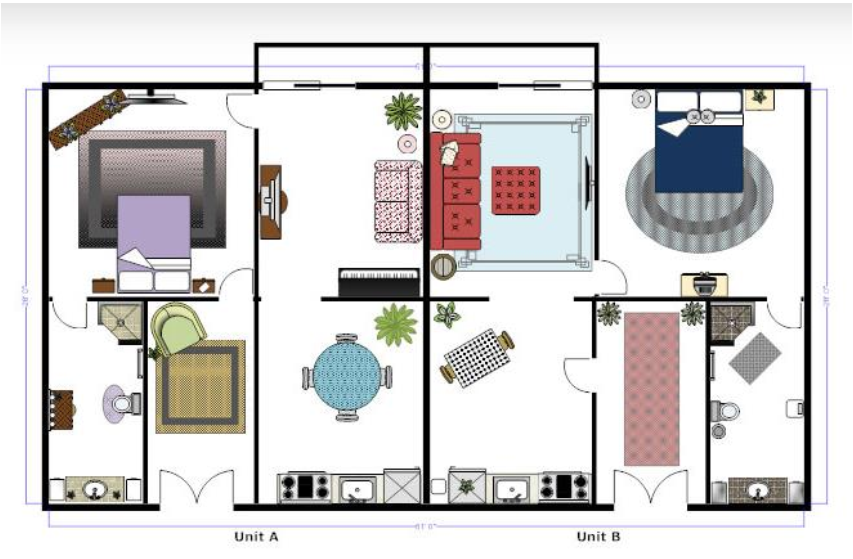
This core module describes the skills, knowledge and attitude to be acquired by the learner to draw and interpret construction drawings at construction site or in the office in order to perform the construction work efficiently.
- Teacher: Origene IGIRANEZA
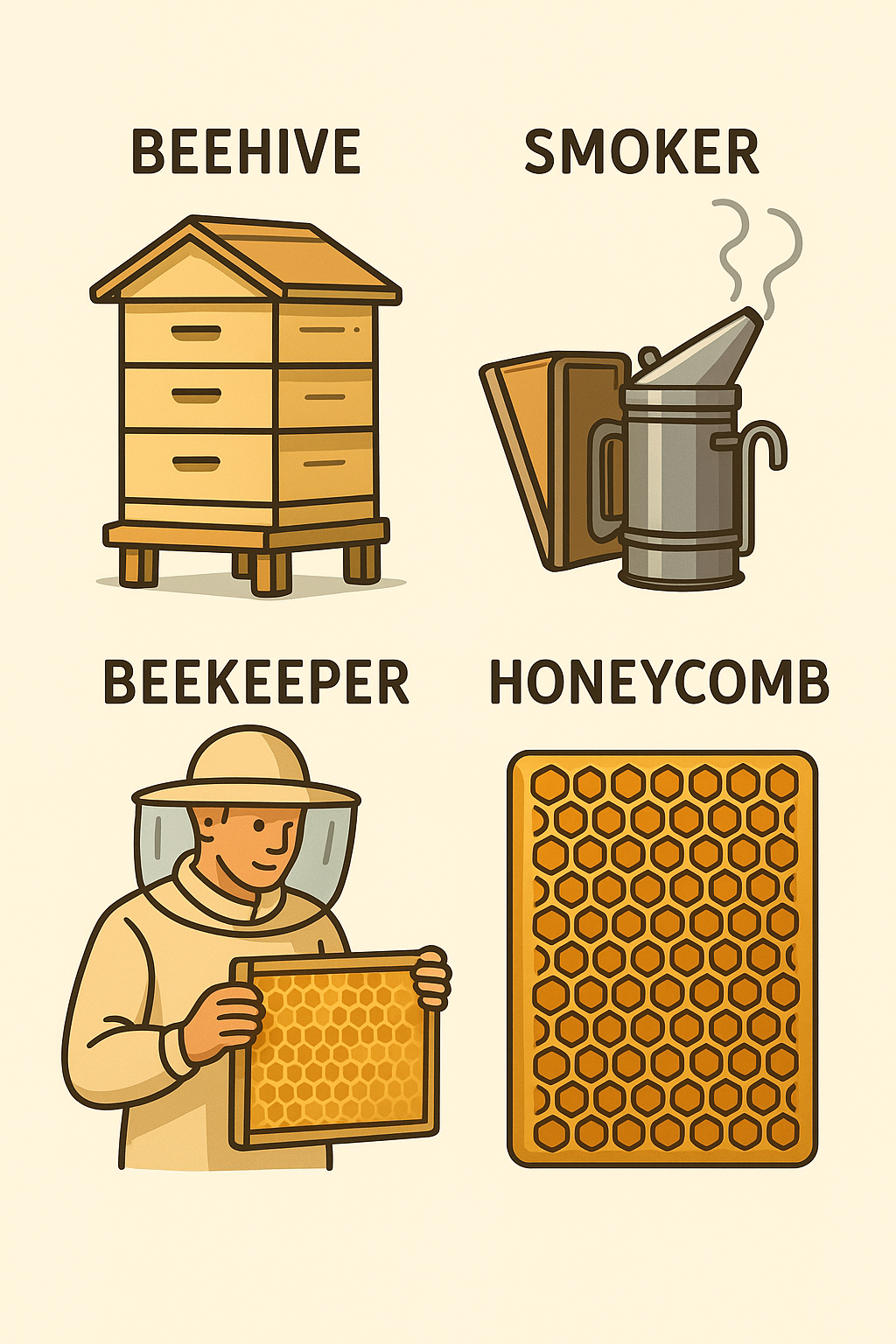
Beekeeping is the practice of managing and caring for honeybee colonies for the production of honey, beeswax, and other valuable products, as well as for crop pollination.
It is an important agricultural activity that supports both food security and environmental sustainability.
This course consists of 4 learning outcomes which are named as following:
1. Install Apiary
2. Keep honey bees
3. Harvest honey and honey bee product
4. Control honey bee diseases, pests and predators
- Teacher: JeanDamascene BIMENYIMANA
- Teacher: HAGENIMANA Eric
- Teacher: ALEXIE MUMUKUNDE
- Teacher: Jean Pierre RURANGIRWA
bees are mostly important in food security and pollination of crop
bees are mostly important in food security and pollination of crop