
Search results: 629
This module describes the skills and knowledge required to perform minor
surgery on animals without supervision is intended for learners who have
successfully completed nine years’ basic education, level or equivalent pursuing
TVET level III in animal health or other related qualification. Upon completion of
the module, the learner will be able to perform injections, perform wound and
abscess treatment, execute male castration, perform dehorning, apply hoof
trimming techniques, perform livestock caudectomy, Perform trocarization.
- Teacher: Gilbert NZABANTERURA
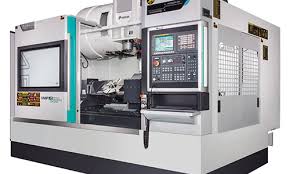
This module is reserved for learners of Level Five (L5) Manufacturing technology.
It provides the skills, knowledge and attitude for learners to be competent in Producing
Parts on CNC Machine. After completion of this module, the learner will be able to:
Generate NC file, Set up CNC Machine and Execute the work. She/he will be able to
perform these tasks by respecting quality standards and regulations requirements.
This specific module describes the knowledge, skills, and attitude of performing
acoustic and thermal insulation works. It is intended to be pursued by the learners at
TVET Certificate V in building construction. At the end of this module, the learner will
be able to perform preliminary works, construct soundproof elements, and install
thermal insulation panels.
- Teacher: Jean Damascene TUYAMBAZE
This module describes the skills, knowledge and attitudes required to apply beekeeping
techniques. At the end of this module, participants will be able to install apiary, Manage apiary
and Control bee diseases and predators.
The Basic Sand Casting (MATBC301) module equips learners with the knowledge and practical skills to produce safe and accurate metal castings. It is a metal casting process where molten metal is poured into a sand mold to form a desired shape after solidification. It covers three main areas: preparing for the casting process, which includes understanding casting principles, safety measures, and selecting suitable materials and tools; carrying out aluminium and alloy casting, focusing on melting, mould preparation, and controlled metal pouring; and performing post-casting activities, which involve inspecting, cleaning, and finishing cast products to achieve high-quality results.
- Teacher: NIYITEGEKA Jean Damascene

The Bending Operations (MATBO301) module trains learners to perform metal bending safely and accurately. It covers bending principles, safety measures, material and tool preparation, machine setup, and operation. Learners also develop skills in product finishing, inspection, maintenance, and reporting, enabling them to complete bending tasks efficiently and professionally in a manufacturing setting.
- Teacher: NIYITEGEKA Jean Damascene
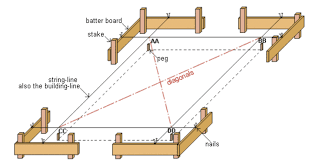
Building set out or setting out of building refers to the act of measuring and marking out a full size plan of a building on site.
In the construction industry, setout refers to the process of transferring the dimensions from the
building plan to the ground to guide the construction work.
- Teacher: Clemence MUKASHYAKA
This module describes the knowledge, skills and attitudes to be acquired by the learner to Analyse database, design database, implement database and secure database. At the end of this module the learner will be able to analyse database, design database, implement database and secure database.

- Teacher: Pacifique DUSABIMANA

This module covers the knowledge; skills and attitudes required to provide a balanced feeding to domestic
animals by managing fodder crops and pasture in an optimum manner.

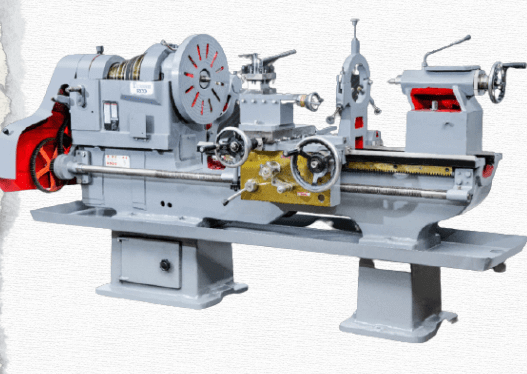
This course introduces learners to the lathe machine, one of the most important and widely used machines in manufacturing technology. Students will gain both theoretical knowledge and practical skills in operating, maintaining, and applying the lathe for different machining processes.
The course begins with the history, types, and parts of the lathe machine, explaining their functions and importance. Students will learn about the working principle, which is based on the rotation of the workpiece against a cutting tool to remove material.
- Teacher: Jeremie NGIZWENAYO
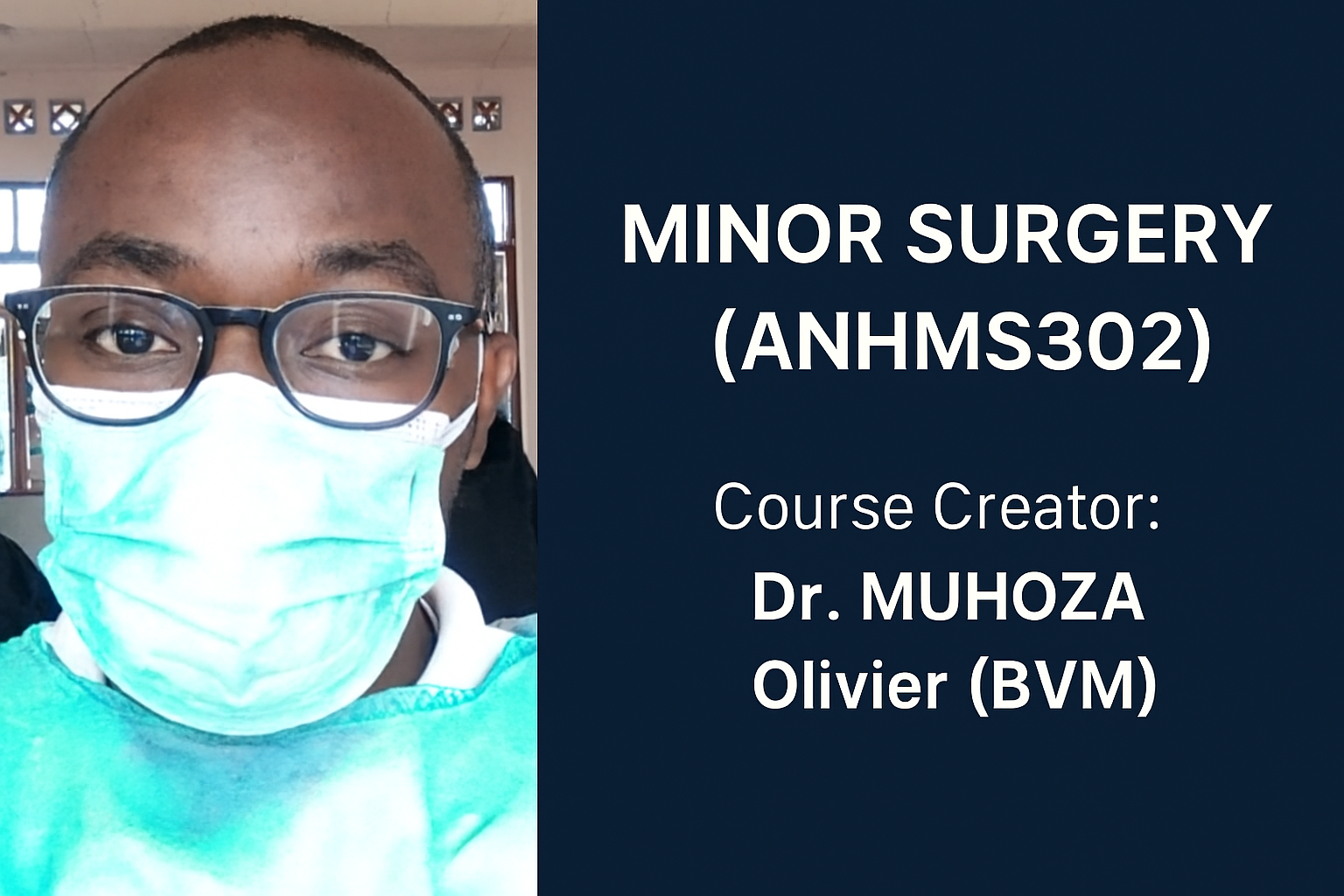
This module describes the skills and knowledge required to perform minor surgery on animals without supervision, . Upon completion of the module, you will be able to perform injections, perform wound and abscess treatment, execute male castration, perform dehorning, apply hoof trimming techniques, perform livestock caudectomy, Perform trocarisation.
The module content include the course presentation and short notes which will help you to navigate through the module, a self-evaluation will be provided for every presentation to assess your understanding on what you will be reading.
Thank you and welcome to this module.
- Teacher: Olivier MUHOZA
This specific module describes the knowledge, skills and attitude required to
Develop Mobile Application using Flutter. This Module is intended to prepare
learners pursuing TVET Level 5 in Software development. Upon completion of this
module, the learner will be able to Apply Basics of Dart, Implement UI designs,
Integrate backend functionality and Publish Application.

- Teacher: PERPETUE KANGABO

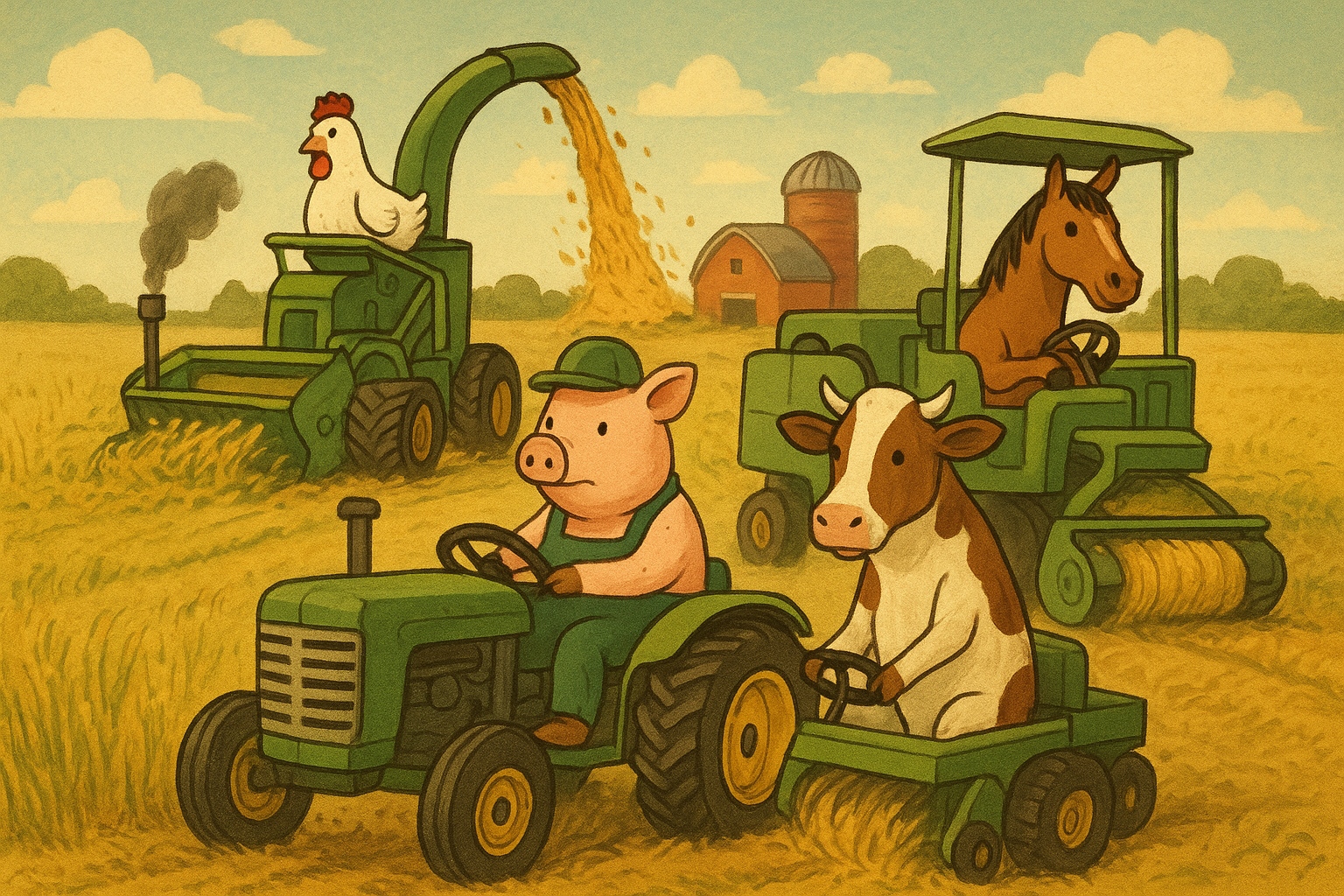
This module describes the skills, knowledge and attitude required to operate farm
machine. It is intended to the learners pursuing TVET Certificate V in Animal
Health. Upon completion of this module, the learner will be able to check farm
machine before use, use farm machine and apply maintenance of farm machine.
Qualified learners deemed competent may work alone or with others under
supervision
- Teacher: Gilbert NZABANTERURA
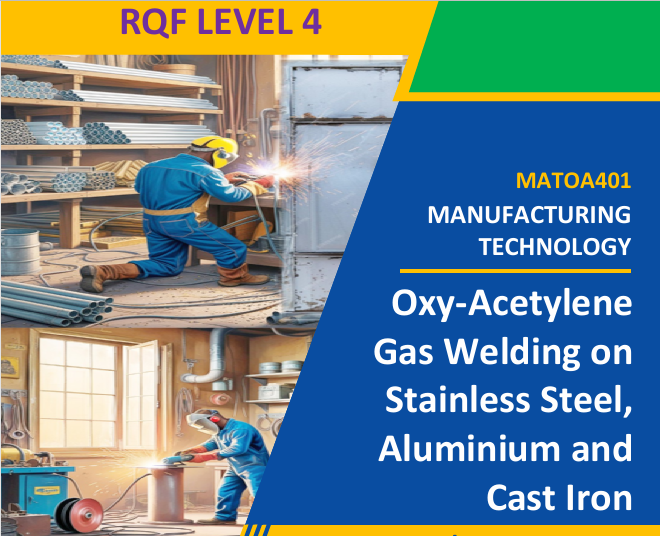
This course MATOA401: Oxy-Acetylene Gas Welding On Stainless Steel, Aluminium, and Cast Iron covers the fundamental skills and knowledge required for oxy-acetylene gas welding on stainless steel, aluminium, and cast iron. It is divided into three key learning outcomes. The first focuses on preparing the workplace, including organizing tools, materials, and equipment, and applying safety measures. The second covers welding techniques, from cutting and preparing the workpiece to setting the flame and performing various welds, including correcting defects. The third outcome involves finishing tasks such as grinding, polishing, protecting, storing the product, and cleaning the workspace. The course combines practical skills with essential safety and quality practices for effective gas welding operations.
- Teacher: |GIRINSHUTI Fabrice
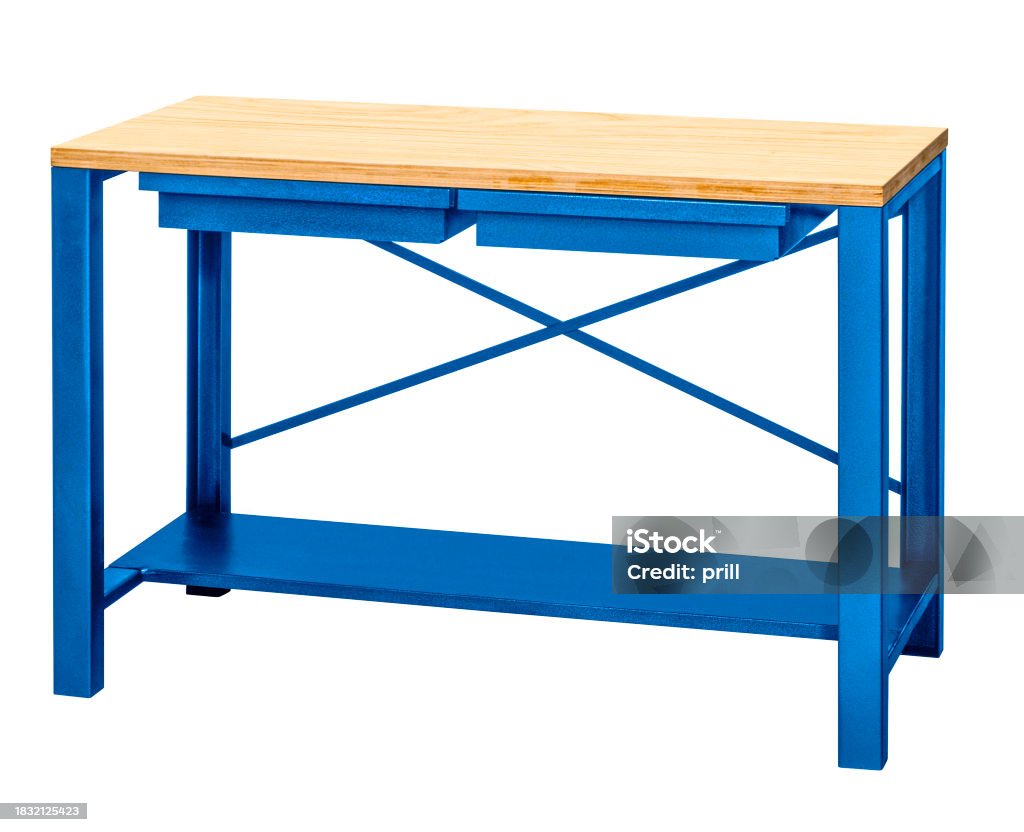
Bench work refers to a variety of manual operations carried out on a workbench. These
tasks include measuring, marking, cutting, filing, drilling, tapping, and assembling parts.
A fitter’s work is unavoidable when different parts are to be assembled in position after
they have been finished. Alignment of machine parts, bearings, engine slide valves and
similar other works call for a fitter’s work. Reconditioning and refitting of machines and
machine parts cannot be done without a skilled fitter.
All the above types of work require the use of a large number of hand tools and a fitter
must have good working knowledge of all these tools and instruments.
- Teacher: Jeremie NGIZWENAYO
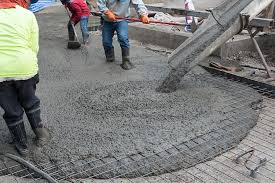
In the construction industry, concrete work involves using concrete to build foundations,
fences and poles, overpasses, parking facilities, pavements, roads and bridges,
walls and footings for gates and more.
- Teacher: Clemence MUKASHYAKA