Search results: 629
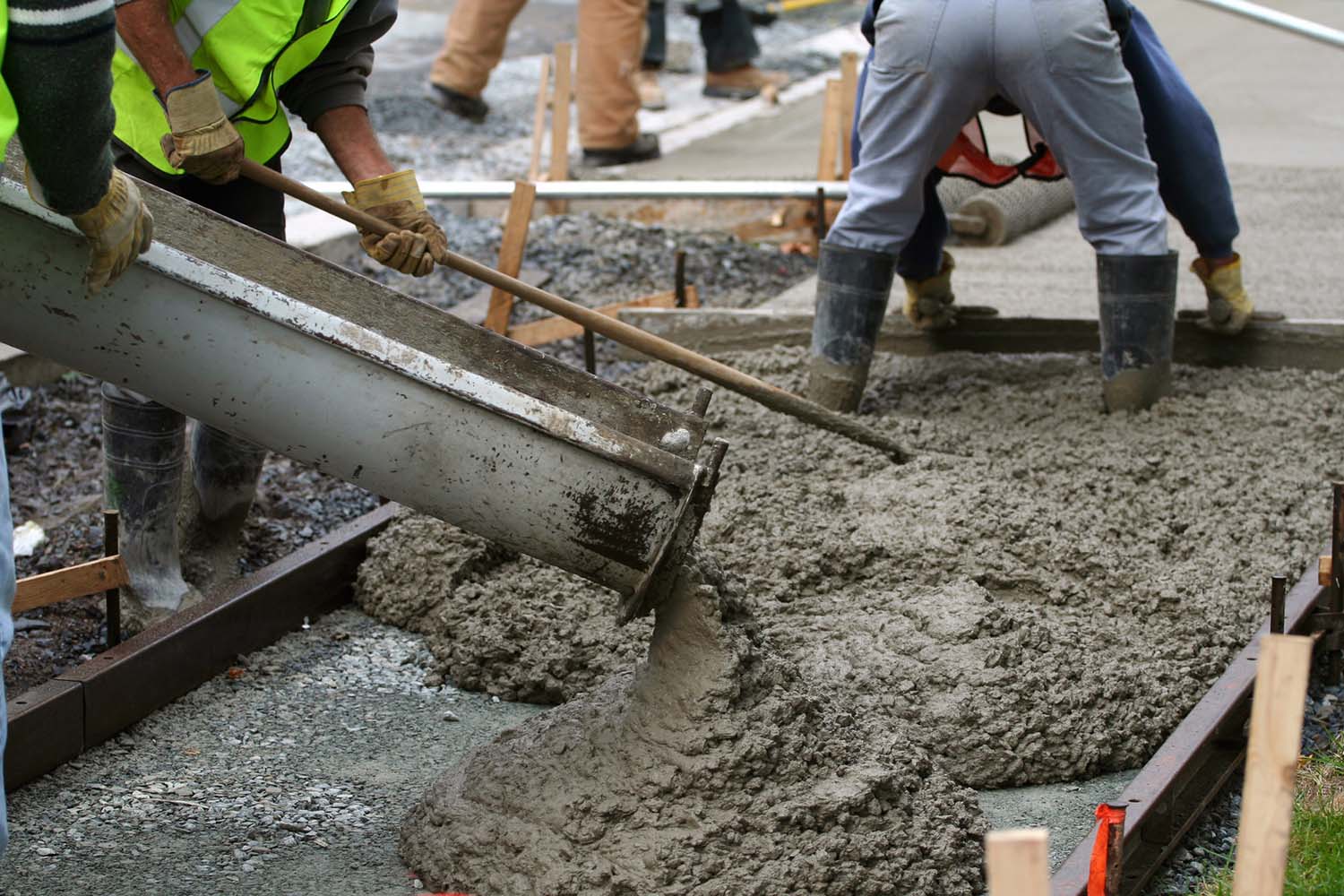
This core module describes the skills, knowledge and attitude to be acquired by the learner to construct pavement of any surface made with concrete, by mainly preparing hardcore base, concrete and performing screeding.
- Teacher: Vestine MUNKURIZE
This module equips you with the knowledge, skills, and right attitudes required to prepare, lay, finish, and maintain cement floors according to standard building practices. you will be able to select appropriate tools, equipment, and materials; prepare the sub-base; mix and place cement; carry out finishing techniques; and ensure durability, safety, and aesthetics of cement floors.

- Teacher: MUKANSANGA PASCALINE
 Purpose statement This module describes the knowledge, skills, and attitudes required to make cement
based blocks pavers. It is intended to be pursued by learner at TVET level IV in Building
Construction. At the end of this module, the learner will be able to: select tools,
equipment and materials, prepare mortar, produce cement blocks and cement pavers,
prepare ground base, and lay pavers.
Purpose statement This module describes the knowledge, skills, and attitudes required to make cement
based blocks pavers. It is intended to be pursued by learner at TVET level IV in Building
Construction. At the end of this module, the learner will be able to: select tools,
equipment and materials, prepare mortar, produce cement blocks and cement pavers,
prepare ground base, and lay pavers.
- Teacher: Jean Damascene TUYAMBAZE
This module describes the keyboard skills and knowledge required to effectively, and efficiently operate a computer, and manipulate word processing, spreadsheets, and PowerPoint and publisher applications in the production of workplace documents. Having successfully completed this module, the trainee will get familiarized with the keyboard, and its different parts like function keys, numeric keys, keypad key, control keys, control cursor keys, main typing keys, combination (Ctrl and Shift) keys and special purpose keys.
This module is for
- Level 3
- Credits: 4
- Sector: ICT

- Teacher: Eric Hitimana
- Teacher: Origene IGIRANEZA
This module describes the skills and knowledge required to describe the logo, identify the logotype and to sketch the logo to select logo motifs and logo color definition. In addition to that, the learner will also be able to illustrate and produce a banner layout and design blueprint, organize and select image assets and typefaces, treat photos, select colors and combine creative software export the designed banner to meet specified requirements using one of existing software design such as Photoshop and GIMP.

- Teacher: Origene IGIRANEZA
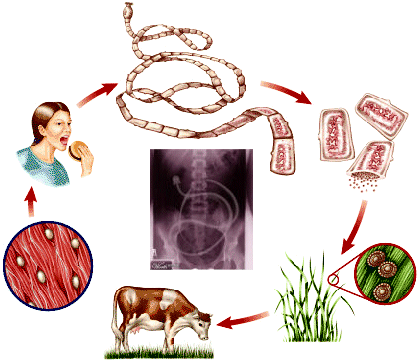
In addition to insufficient food quantity and quality, the low animal productivity is due to the persistence of several animal diseases, some of which are caused by parasites (tick borne diseases, worms, and protozoa.).
These diseases do not only cause the mortality but also the production loss (milk, meat, leather, eggs) loss.
They also entail significant expenses related to their prevention, especially in their treatment.
Cross-breeds from local and exotic breeds and pure exotic breeds easily catch various parasitic diseases.
However, the clinical diagnostic techniques are not always mastered.

- Teacher: Basamiraho Emmanuel
In addition to insufficient food quantity and quality, the low animal productivity is due to the persistence of several animal diseases, some of which are caused by parasites (tick borne diseases, worms, and protozoa.).
These diseases do not only cause the mortality but also the production loss (milk, meat, leather, eggs) loss.
They also entail significant expenses related to their prevention, especially in their treatment.
Cross-breeds from local and exotic breeds and pure exotic breeds easily catch various parasitic diseases.
However, the clinical diagnostic techniques are not always mastered.
This course is designed to equip trainers and learners with advanced skills and knowledge for managing companion animals such as dogs, cats, equines, and camels.

- Teacher: SadakoSandrine UMUKUNZI
This course is designed to equip trainers and learners with advanced skills and knowledge for managing companion animals such as dogs, cats, equines, and camels.

This module covers the knowledge, skills and attitudes required to participate in
companion animal’s management.
Therefore, upon completion of this module, the trainee will be able to construct
companion animal houses, keep companion animals, train companion animals
and control companion animal diseases.

- Teacher: Illuminee BARAKAGWIRA
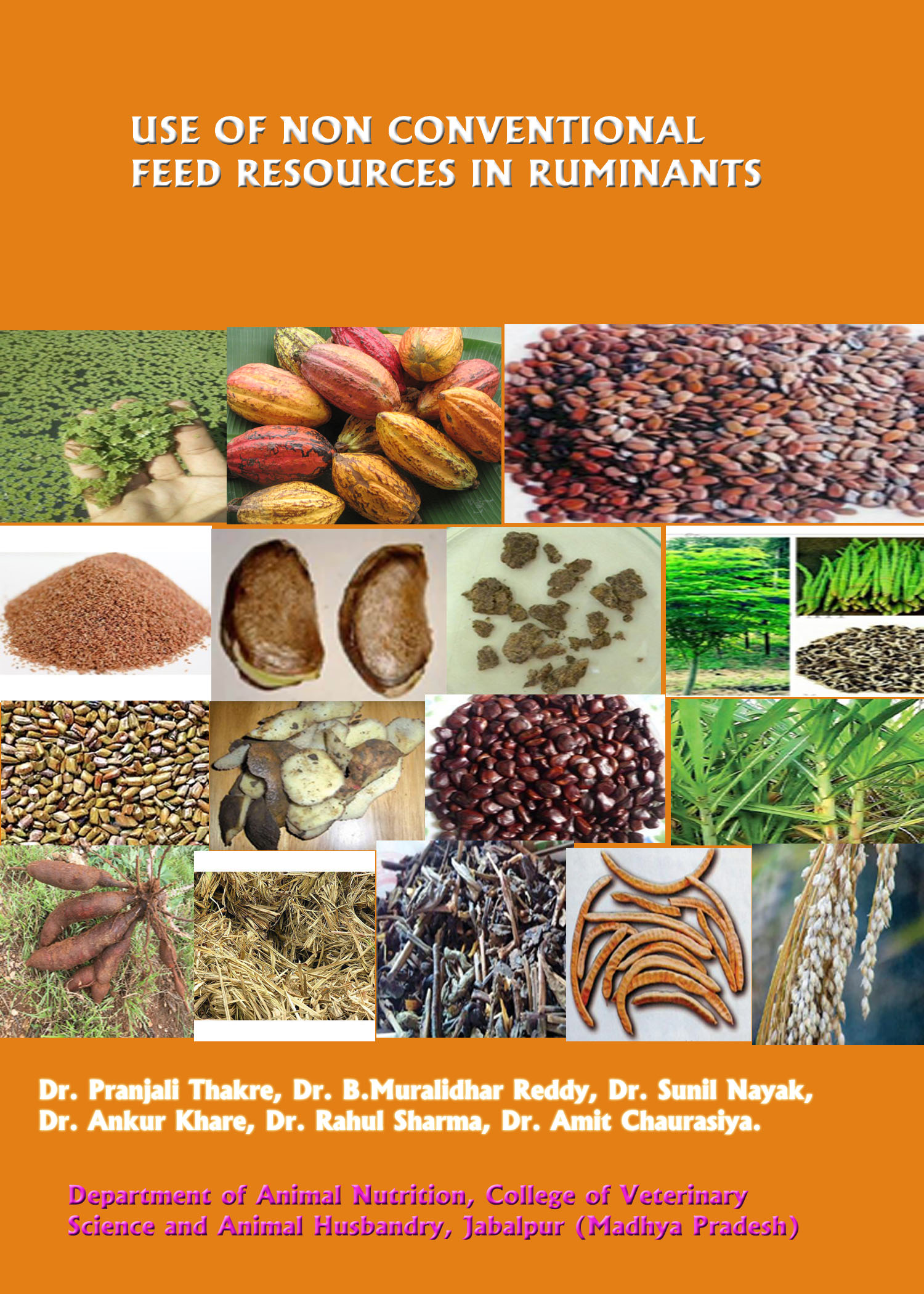
This module provide students with essential knowledge and practical skills in preparing, formulating, and distributing concentrate feeds to support optimal livestock nutrition, growth, and productivity.
- Teacher: SadakoSandrine UMUKUNZI
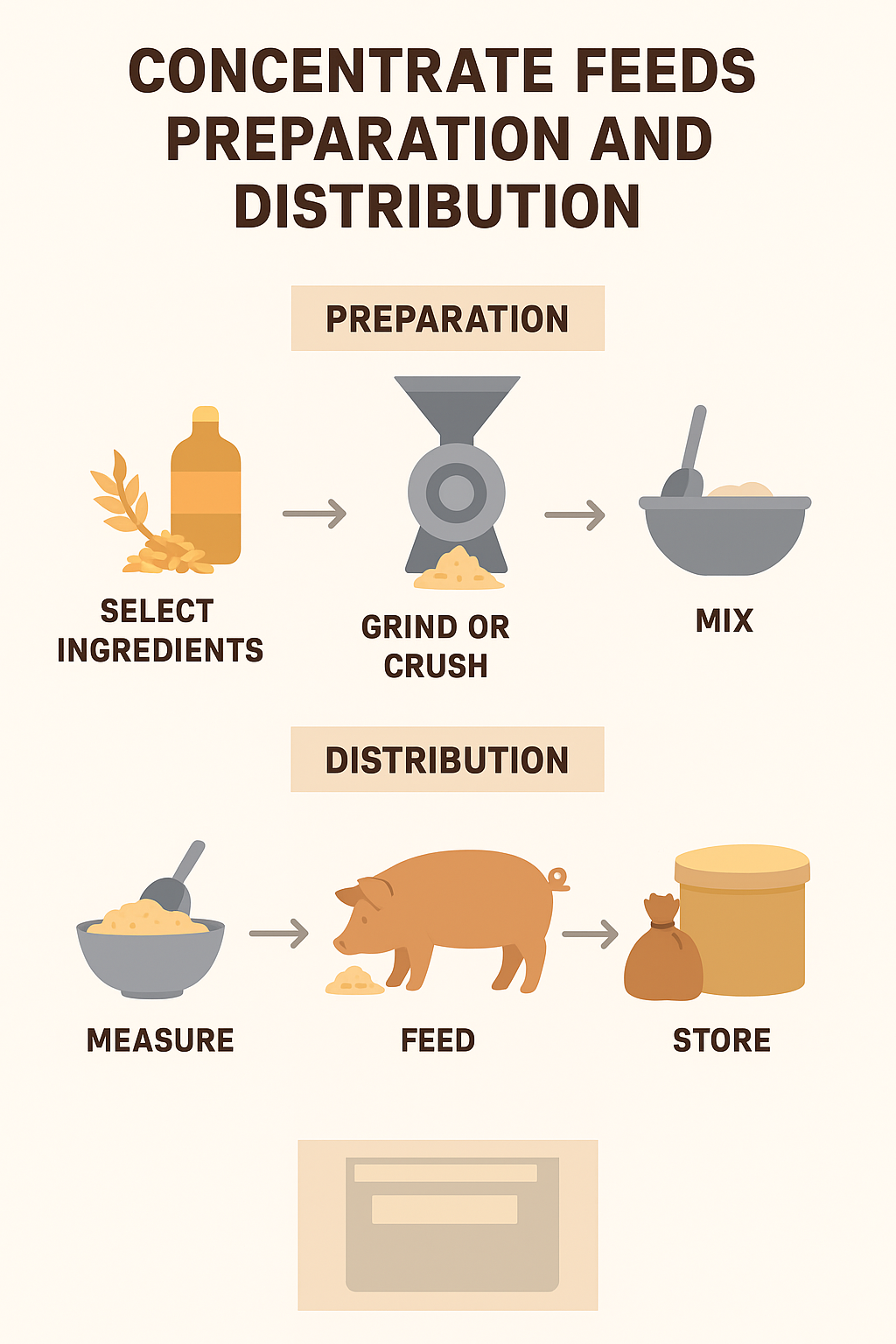
Concentrates are feeds rich in energy or protein, usually made from grains (like maize, sorghum), oilseed cakes (like soybean, groundnut), bran, and mineral–vitamin supplements. Their preparation involves selecting good-quality ingredients, grinding or crushing them for easy digestibility, mixing in the right proportions, and sometimes pelleting for easy handling.
Distribution of concentrates should be done according to the nutritional needs of the animals (species, age, weight, and production stage). They are usually given in measured amounts to avoid wastage, ensure uniform feeding, and prevent digestive disorders. Proper storage in dry, cool, and rodent-free areas is essential to maintain quality before distribution.
- Teacher: Jean Pierre RURANGIRWA
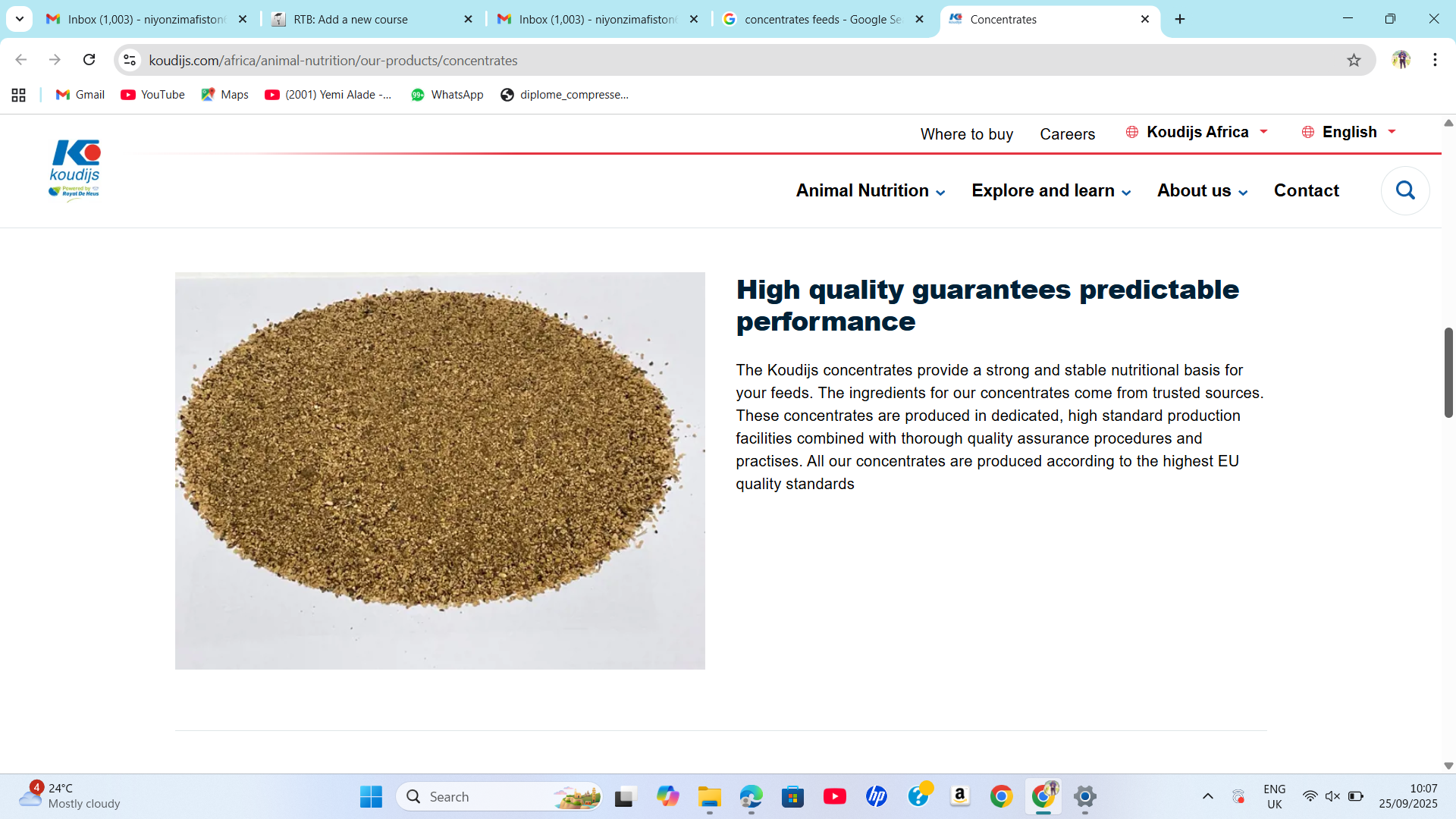
This module covers the knowledge, skills and attitudes required to properly
prepare and distribute feed’s concentrates to domestic animals. It is intended
for learners who have successfully completed ordinary level, level II in animal
health or its equivalent and pursuing TVET level III in animal health or other
related qualification. Upon completion of this module, the trainee will be able
to: select animal’s feed ingredients, prepare animal’s feeds rations, perform
feeds concentrates preparation and conservation, distribute feeds and water to
animals
- Teacher: NIYONZIMA Fiston
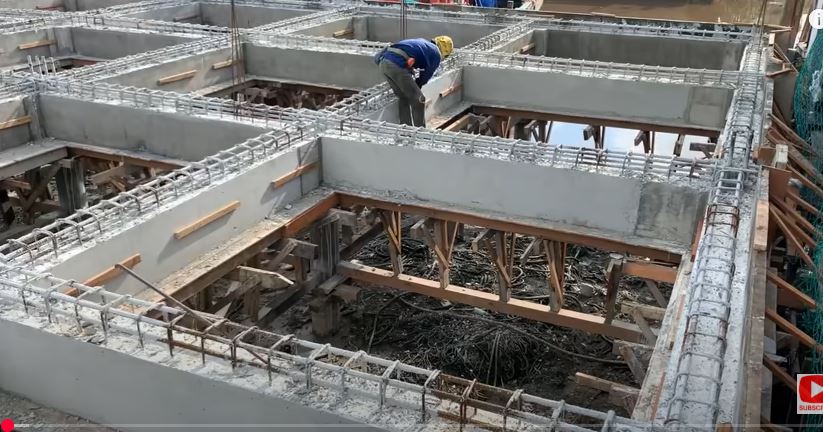
Concrete works refer to the process of mixing, placing, and finishing concrete to create strong and durable structures. Concrete is a construction material made from a mixture of cement, water, sand, and aggregates (like gravel or crushed stone). It is widely used in building foundations, slabs, columns, beams, roads, and other structures due to its strength and long-lasting properties.
- Teacher: Marie Chantal KAYITESI