Search results: 215
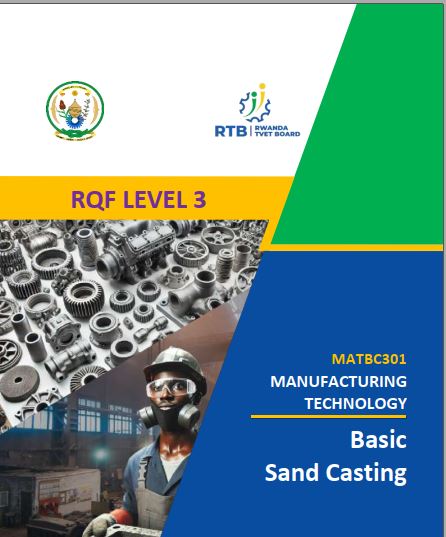
The Basic Sand Casting (MATBC301) module equips learners with the knowledge and practical skills to produce safe and accurate metal castings. It is a metal casting process where molten metal is poured into a sand mold to form a desired shape after solidification. It covers three main areas: preparing for the casting process, which includes understanding casting principles, safety measures, and selecting suitable materials and tools; carrying out aluminium and alloy casting, focusing on melting, mould preparation, and controlled metal pouring; and performing post-casting activities, which involve inspecting, cleaning, and finishing cast products to achieve high-quality results.
- Teacher: NIYITEGEKA Jean Damascene
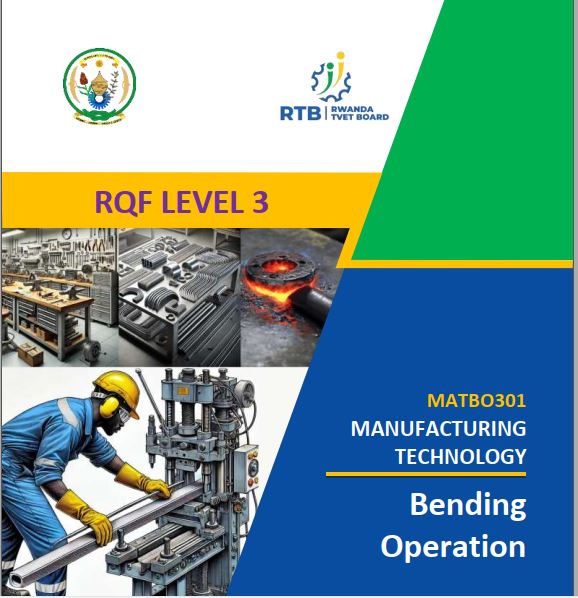
The Bending Operations (MATBO301) module trains learners to perform metal bending safely and accurately. It covers bending principles, safety measures, material and tool preparation, machine setup, and operation. Learners also develop skills in product finishing, inspection, maintenance, and reporting, enabling them to complete bending tasks efficiently and professionally in a manufacturing setting.
- Teacher: NIYITEGEKA Jean Damascene
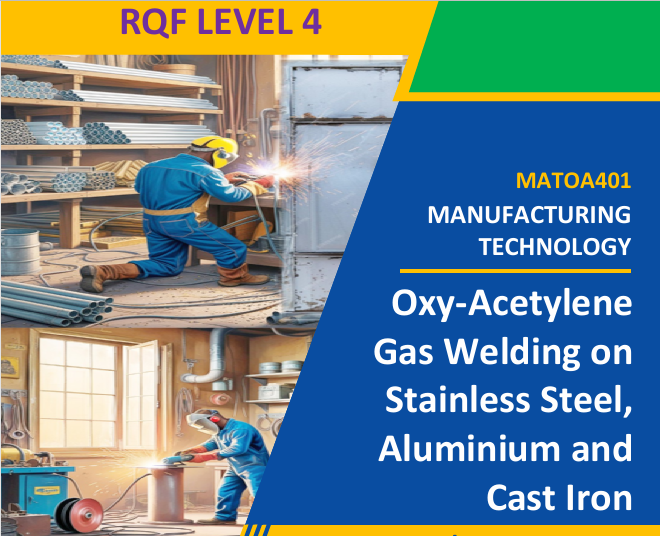
This course MATOA401: Oxy-Acetylene Gas Welding On Stainless Steel, Aluminium, and Cast Iron covers the fundamental skills and knowledge required for oxy-acetylene gas welding on stainless steel, aluminium, and cast iron. It is divided into three key learning outcomes. The first focuses on preparing the workplace, including organizing tools, materials, and equipment, and applying safety measures. The second covers welding techniques, from cutting and preparing the workpiece to setting the flame and performing various welds, including correcting defects. The third outcome involves finishing tasks such as grinding, polishing, protecting, storing the product, and cleaning the workspace. The course combines practical skills with essential safety and quality practices for effective gas welding operations.
- Teacher: |GIRINSHUTI Fabrice
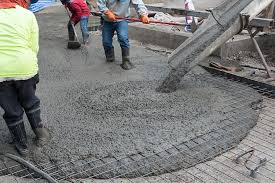
In the construction industry, concrete work involves using concrete to build foundations,
fences and poles, overpasses, parking facilities, pavements, roads and bridges,
walls and footings for gates and more.
- Teacher: Clemence MUKASHYAKA
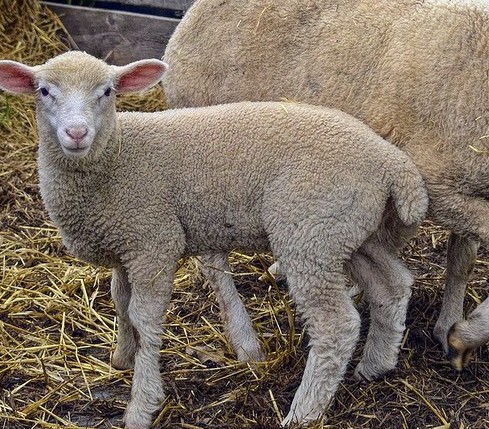
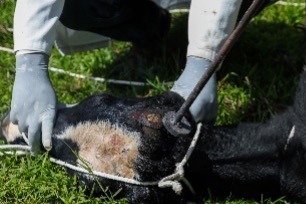
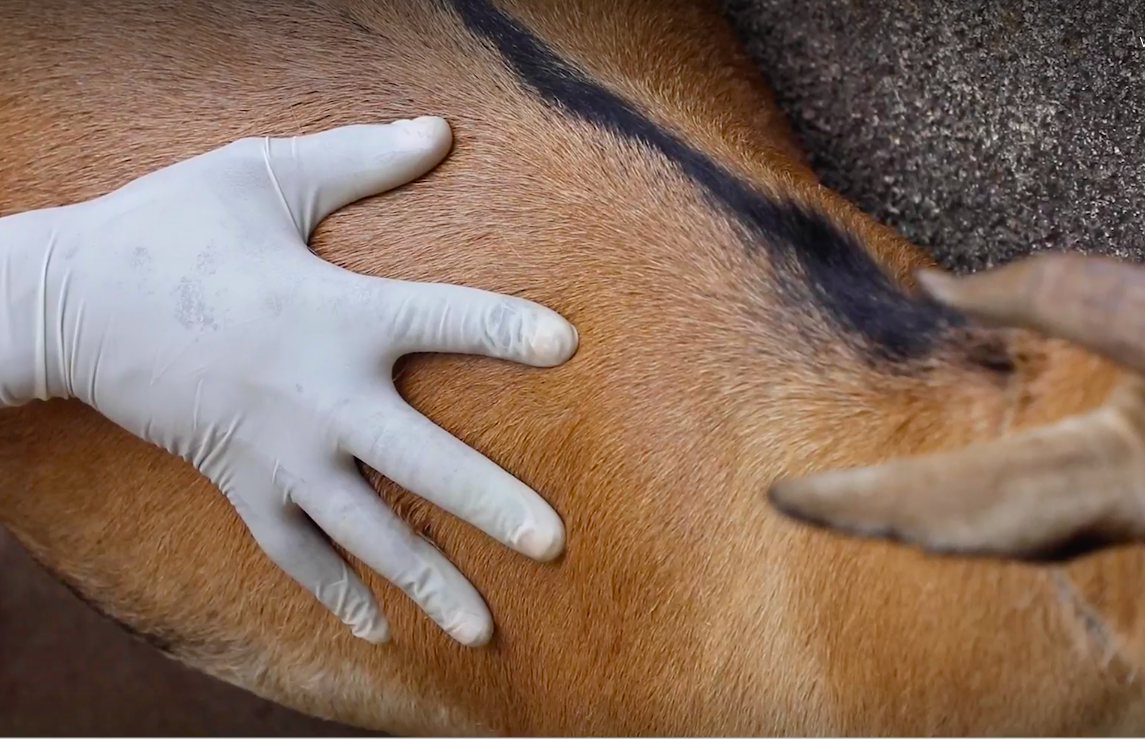
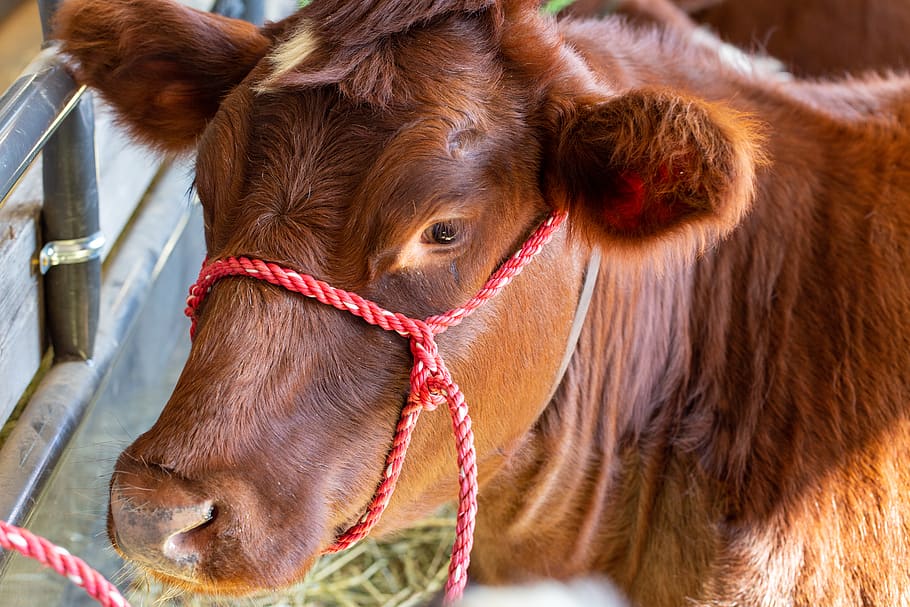
This module covers the knowledge, skills and attitudes required to prepare
workplace for veterinary intervention. Indeed, any veterinary activity involves a
proper preparation of workplace. So this competence is very important for the
Animal care technician training and it is a prerequisite for all the specific
modules of the qualification involving the manipulation and treatment of the
different animal species. It is intended for learners who have successfully
completed ordinary level, level II in animal health or its equivalent and pursuing
TVET level III and related qualification. Upon completion of this module, the
trainee will be able to: Identify and store veterinary drugs according to their
therapeutic function; Identify and store veterinary instruments and equipment
according to their intended use; Clean and sanitise workplace, instruments and
equipment; Perform proper waste disposal
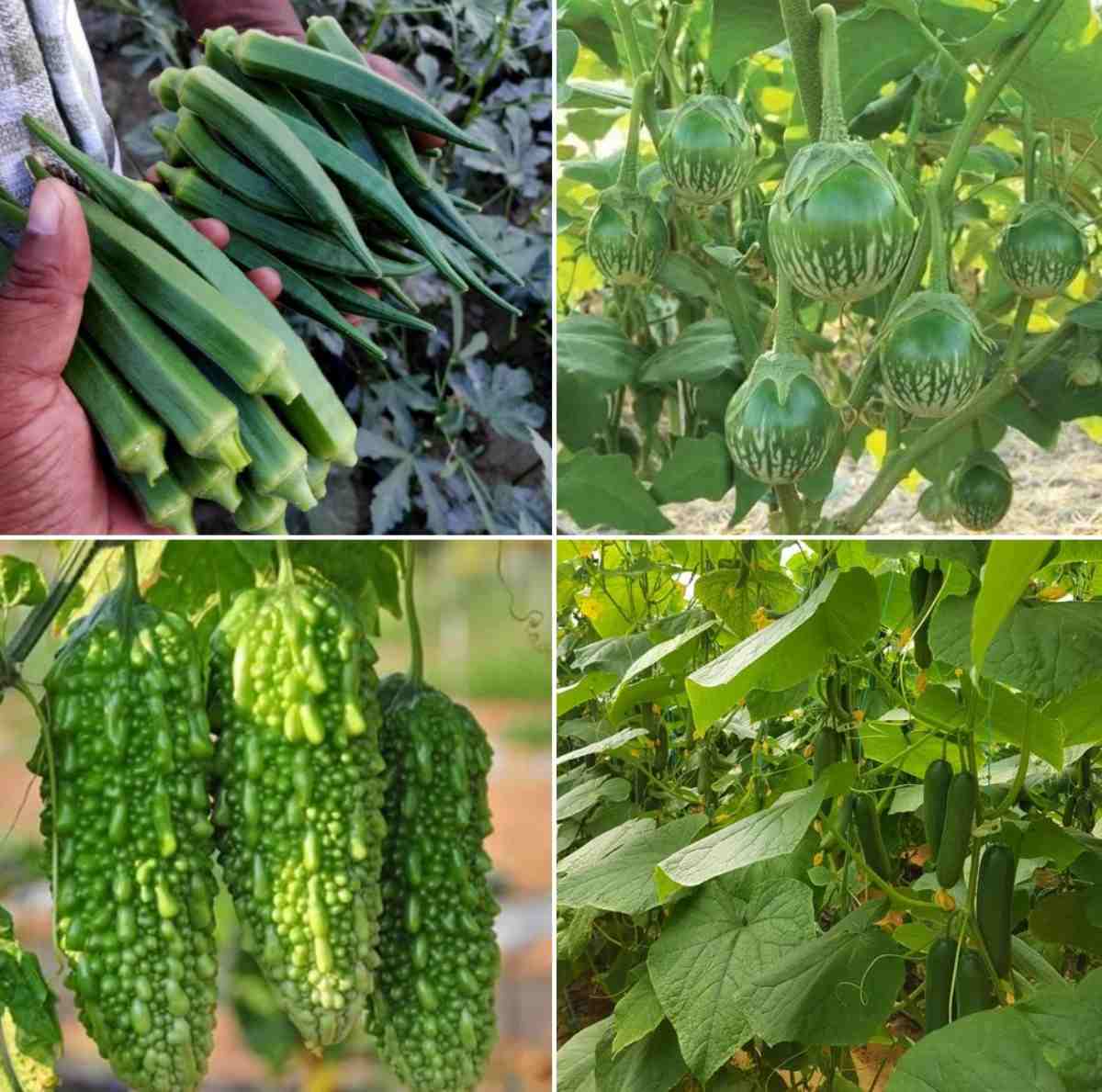
This module describes the skills, knowledge, and attitude required to grow vegetables. It is designed for learners who have successfully completed Nine years of basic education or its equivalent and pursuing TVET Certificate III in crop production or any other related qualifications. At the end of this module, learners will be able to prepare for vegetable crops establishment operations, prepare the site for vegetables (Cabbage, Carrots, Tomatoes, Eggplant, onions, amaranths, pumpkin, and sweet peppers growing, carry out planting, and post planting operations and harvest vegetables. Qualified learners deemed competent may work in various places including Site/field, Office, Nursery, and Vegetable Garden performing a range of tasks related to crop growing he can work alone or with others under supervision.
- Teacher: Eric Hitimana
- Teacher: Origene IGIRANEZA
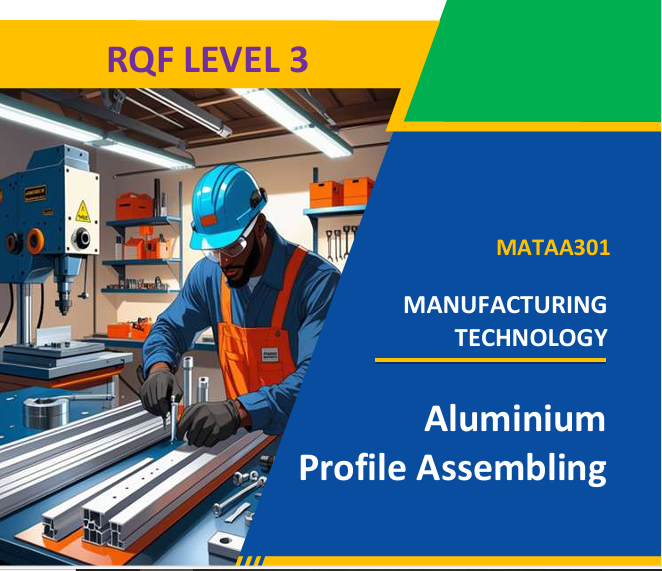
In this course, we will deal with the Assembling Af Aluminium Profiles which is the Pre-manufactured aluminium sections widely used in structures like windows, doors, partitions, and industrial frames. The learning journey starts with preparing the workplace by understanding the assembly process, following safety measures, and selecting appropriate tools and materials. We will then move on to performing the actual assembly by reading technical drawings, applying joining techniques, and verifying the finished product. Finally, we will cover post-assembly tasks such as protecting the product, cleaning up, and properly storing tools and equipment.
- Teacher: |GIRINSHUTI Fabrice
This module introduces students to the techniques and processes involved in assembling aluminium profiles, which are widely used in construction, industrial frameworks, furniture, and automation systems. The course covers both theoretical knowledge and practical skills to ensure that learners can safely and efficiently assemble aluminium structures.
- Teacher: Jeremie NGIZWENAYO
- Teacher: Origene IGIRANEZA
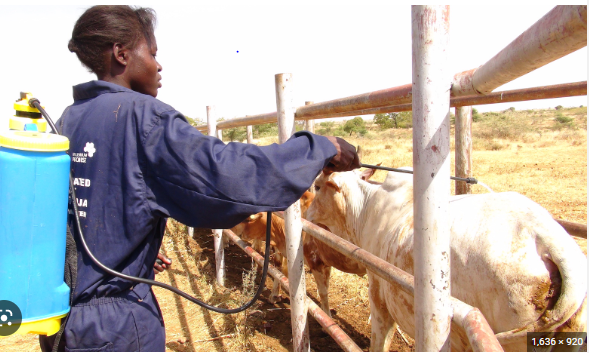
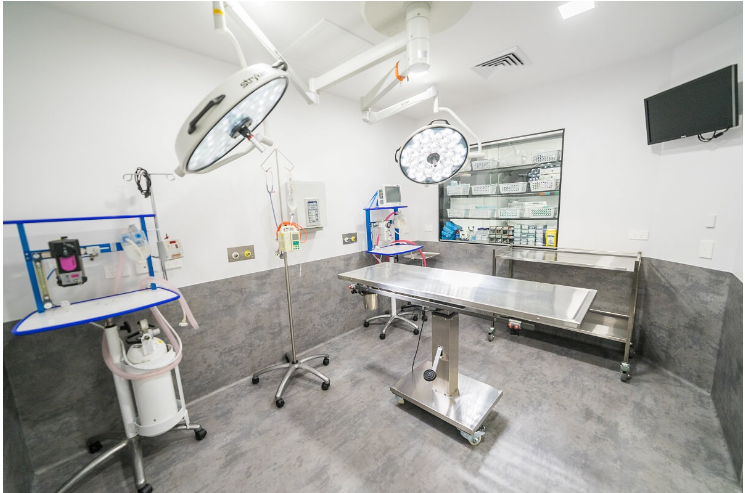
This module covers the knowledge, skills and attitudes required to prepare workplace for veterinary intervention. Indeed, any veterinary activity involves a proper preparation of workplace. So this competence is very important for the Veterinary assistant training and it is a prerequisite for all the specific modules of the qualification involving the manipulation and treatment of the different animal species.
- Teacher: Origene IGIRANEZA