
Search results: 629
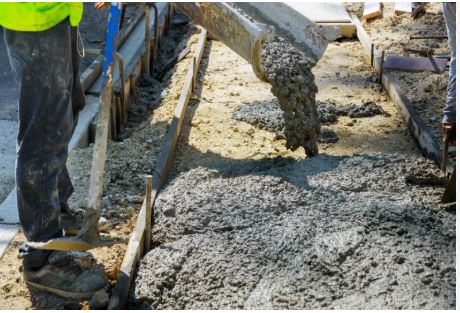
Cement flooring, also known as concrete flooring, is one of the oldest and most widely used types of flooring in construction due to its durability, affordability, and ease of maintenance. It involves the use of a mixture of cement, sand, and water, sometimes combined with aggregates, which is poured and leveled to create a solid surface.
- Teacher: Clemence MUKASHYAKA
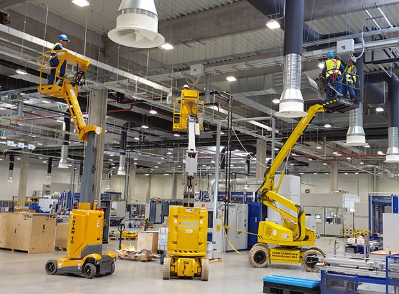
This course provides students with the theoretical knowledge and practical skills required to install, maintain, and troubleshoot industrial machines used in manufacturing and production environments. Learners will gain competence in reading and interpreting machine installation drawings, aligning and assembling mechanical components, connecting electrical systems, and applying appropriate maintenance procedures to ensure optimal machine performance.
The course emphasizes adherence to safety standards, preventive maintenance practices, and the use of correct tools and instruments. Students will also develop problem-solving skills for diagnosing faults and performing corrective actions to minimize downtime and extend the lifespan of industrial equipment.
- Teacher: ELIE NSENGIMANA
This module equips learners with the practical skills, foundational knowledge, and appropriate work attitudes required to perform mechanical fastening operations. It covers the preparation of tools, materials, and equipment; the execution of mechanical fastening tasks; and the necessary post-operation activities to ensure safety and quality.
Designed for students pursuing a TVET Certificate III in Manufacturing Technology, this module prepares graduates for entry-level roles in manufacturing, active participation in community projects, and opportunities for further learning in related technical fields.

Course Summary: Opening Fixation
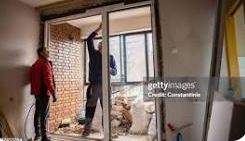
The Opening Fixation course introduces learners to the skills and knowledge required for preparing, installing, and finishing different types of building openings. These include doors, windows, ventilators, and frames that allow access, lighting, and ventilation in structures.
The course emphasizes the proper selection and handling of materials such as timber, metal, aluminum, glass, and PVC, as well as the use of appropriate tools and fasteners. Learners are trained in setting out openings, fixing frames, aligning and leveling components, and applying finishing techniques to ensure durability, functionality, and aesthetic quality.
Safety practices and quality standards are integrated throughout the training, enabling learners to perform tasks with accuracy while minimizing errors and hazards.
Upon completion, learners will be able to interpret drawings, prepare openings, and competently fix frames and shutters for doors and windows in compliance with building requirements. The course prepares learners for entry-level opportunities in carpentry, joinery, and general construction works.
- Teacher: JACQUES NZAMUKWEREKA
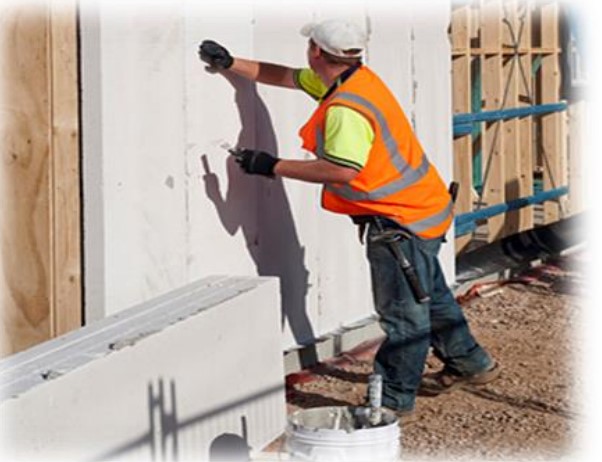
This specific module describes the skills, knowledge, and attitudes required to perform
ornamental finishing works. It is meant for learners who have completed level IV in
building construction and pursuing level V in building construction. At the end of this
module, learners will be able to perform cladding installation, install glass, and apply
paint coats.
- Teacher: Lucie UWIZERA
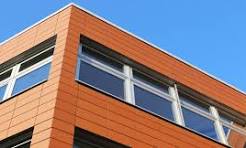
This course focuses on the skills and techniques required to perform ornamental finishing works within the construction sector. Participants will learn to enhance the aesthetic appeal of buildings and structures through various decorative finishes.
- Teacher: INNOCENT MUHAWENIMANA
Terrazzo is a composite material that originated in Italy during the 15th century.
It typically consists of chips of marble, quartz, granite, or glass mixed with a cement or epoxy binder.
The word “terrazzo” comes from the Italian word for terrace, as the original technique was used to create durable and decorative flooring in outdoor spaces.

- Teacher: Clemence MUKASHYAKA
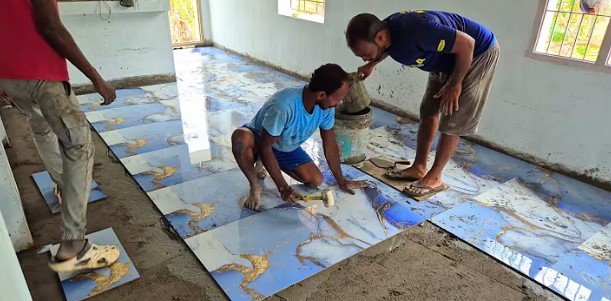
This module describes the knowledge, skills, and attitude to be acquired in order to place
well tiles on the walls, stairs and floors. It is intended to be pursued by learner at TVET
level IV Building Construction. At the end of this module, the learner will be able to
prepare working area, select materials, tools and equipment. He/She will also be able to
cut, apply tiles, and perform grouting and cleaning of the workplace.
- Teacher: Lucie UWIZERA
This courses are contained four chapter, all learners should able to the understandable all chapter

- Teacher: Dieudonne TWIRINGIYIMANA
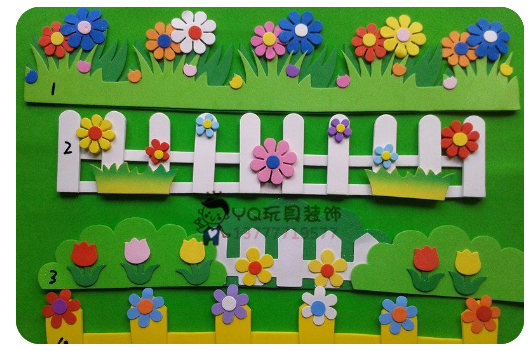
This module describes knowledge, skills and attitude required in the making of decorative objects from proper preparation of tools, materials, equipment and environment. Coherent selection of items in match with the required style for an artistic composition/project that respect rules of composition
- Teacher: Origene IGIRANEZA
This
preliminary/fundamental module describes knowledge, skills and attitude
required in application of making quick drawing/sketch through a keen
observative process and proper use of art elements and principles.

- Teacher: Origene IGIRANEZA
This module is describes skills, knowledge and attitude, required to apply painting an artwork. At the end of the module the leaners will be able to prepare the working environment, paint the artworks and make the clear finishing of the artwork in respect of element and principles of painting.

- Teacher: Eric Hitimana
- Teacher: Origene IGIRANEZA
This module is covered first in all qualifications. It allows the learner to get to know the other participants to the training program and to understand himself/herself as part of a team. Also, the trainee will develop a comprehensive and clear vision of the occupation and the training program. The module will allow the participant to avoid mistakes of career guidance and confirm or deny his/her choice from the start. The training and learning methods are presented to the learner. This approach encourages greater motivation and, subsequently, a better integration of various learning.

- Teacher: Origene IGIRANEZA
This module describes the skills, knowledge, and attitude required to apply PHP programming. This module is intended to prepare students pursuing TVET Level 4 in software development. At the end of this module, the students will be able to Apply PHP Fundamentals, Connect PHP to the Database, and Build a Content Management System (CMS) using PHP, Build a web app using MVC Framework (LARAVEL)
- Teacher: Wilson NIYONKURU
This module describes the skills, knowledge, and attitude required to apply PHP programming. This module is intended to prepare students pursuing TVET Level 4 in software development. At the end of this module, the students will be able to Apply PHP Fundamentals, Connect PHP to the Database, and Build a Content Management System (CMS) using PHP, Build a web app using MVC Framework (LARAVEL).

- Teacher: Wilson NIYONKURU
This module describes the skills, knowledge, and attitude required to apply php
programming. This module is intended to prepare students pursuing TVET Level
4 in software development. At the end of this module, the students will be able
to Apply PHP Fundamentals, Connect PHP to the Database, and Build a Content
Management System (CMS) using PHP, Build a web app using MVC Framework
(LARAVEL)

- Teacher: Pacifique DUSABIMANA
This module is intended to prepare students pursuing TVET Level
4 in software development. At the end of this module, the students will be able
to Apply PHP Fundamentals, Connect PHP to the Database, and Build a Content
Management System (CMS) using PHP, Build a web app using MVC Framework
(LARAVEL)

- Teacher: JeanBaptiste IRANKUNDA
- Teacher: Marie Chantal MASENGESHO
- Teacher: Emmanuel SIBOMANA
- Teacher: Jean Claude TUYISENGE
- Teacher: Leonard TUYISINGIZE
This module describes the skills, knowledge, and attitude required to apply PHP
programming. This module is intended to prepare students pursuing TVET Level
4 in software development. At the end of this module, the students will be able
to Apply PHP Fundamentals, Connect PHP to the Database, and Build a Content
Management System (CMS) using PHP, Build a web app using MVC Framework
(LARAVEL)

- Teacher: PERPETUE KANGABO
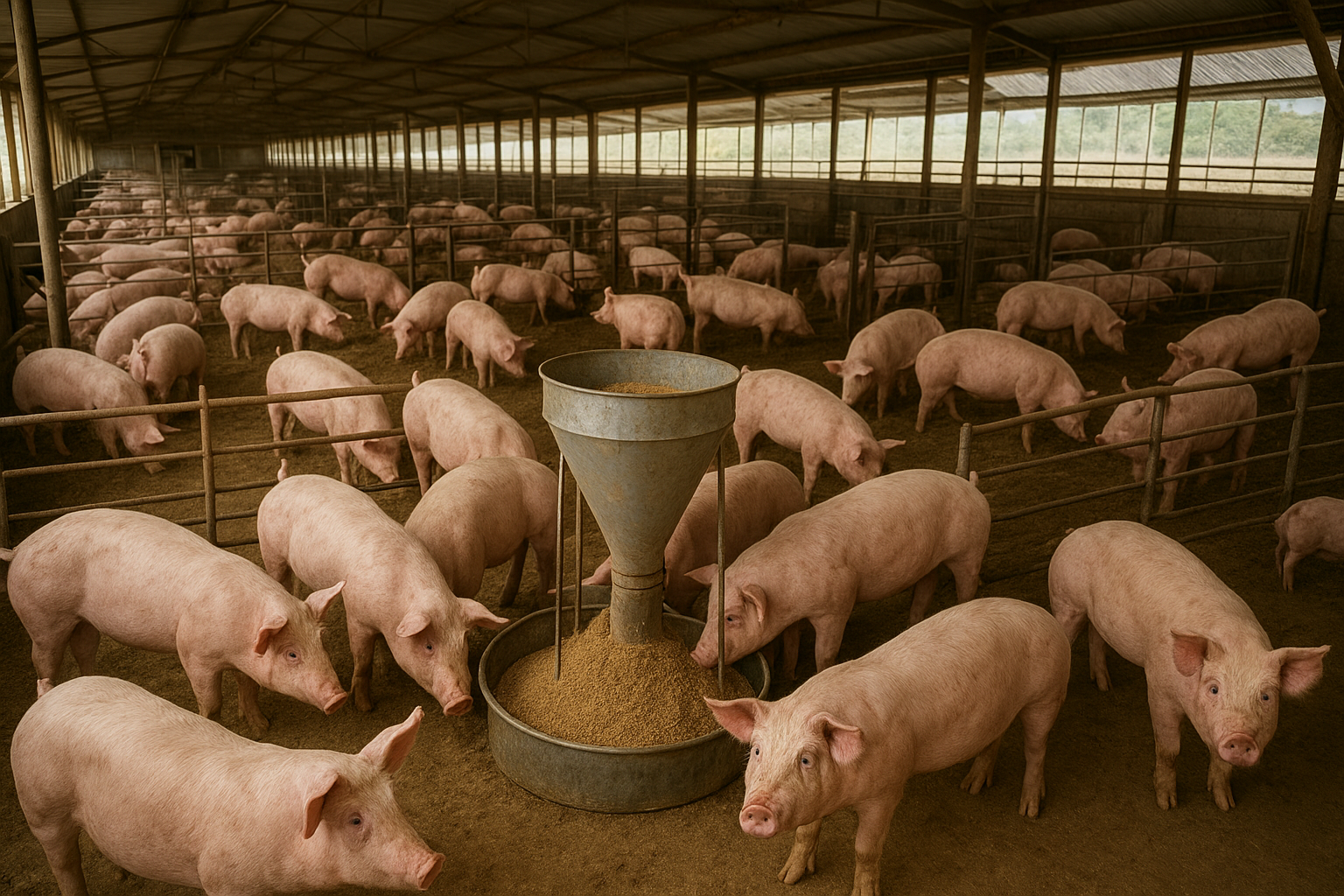
Pig farming operations involve the breeding, rearing, and management of pigs for meat (pork) and other by-products. The operations typically include housing and pen construction, feeding and nutrition management, breeding practices, health care and disease control, waste management, and marketing of pigs or pork products. Efficient pig farming focuses on providing proper housing, balanced feeding (concentrates and forages), hygiene, and veterinary care to ensure fast growth, high reproduction rates, and profitability.
- Teacher: Jean Pierre RURANGIRWA