- Teacher: HAGENIMANA Eric
- Teacher: ALEXIE MUMUKUNDE
- Teacher: JULES NTIGURIRWA
Category: Practice On Blended Learning
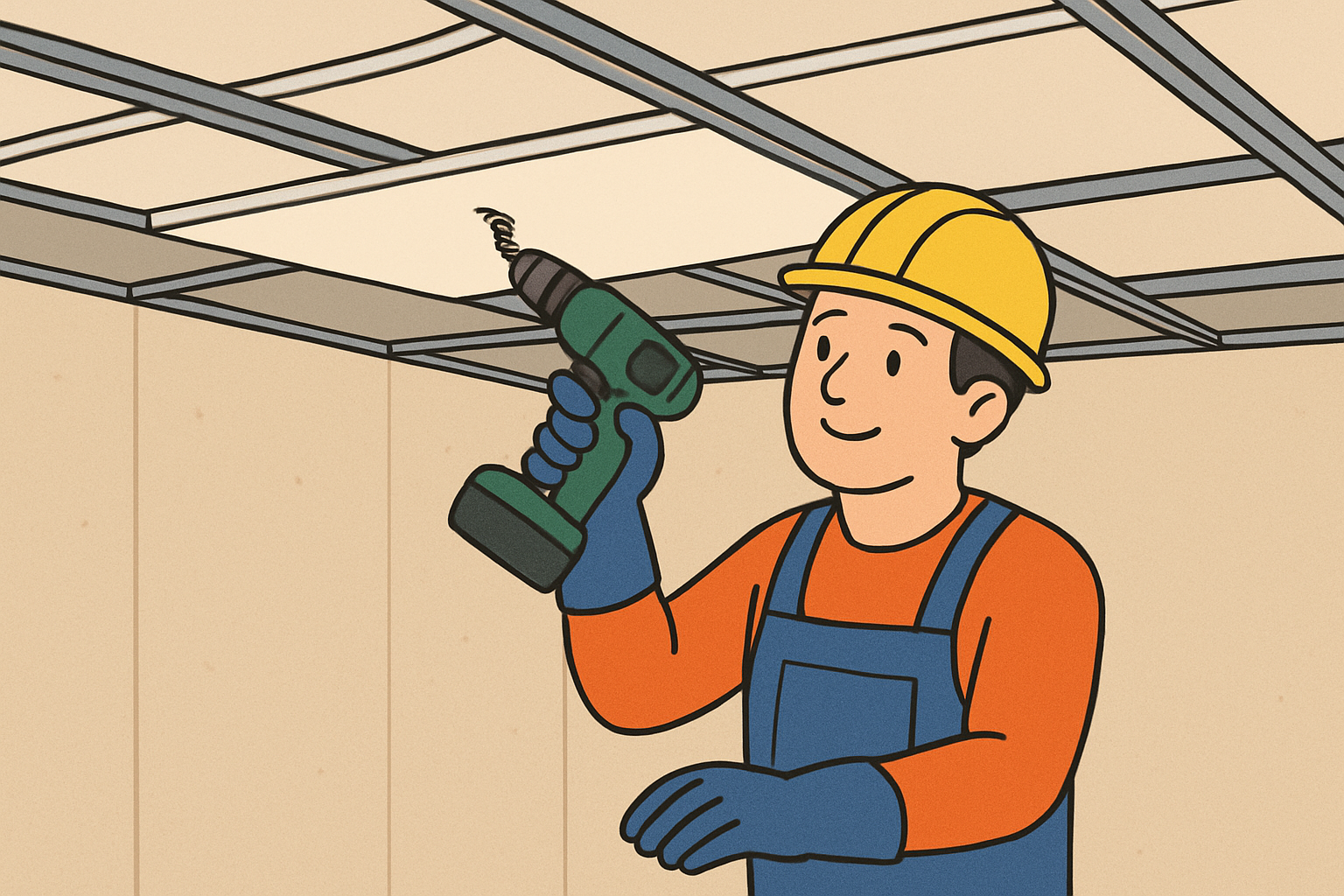
This module is designed to help you gain the knowledge, skills, and attitudes needed to install ceilings in buildings. By learning this module, you will be able to: Understand the different types of ceilings and where each is used, Select the right tools, equipment, and materials for ceiling work, Prepare the work area and accurately measure, cut, and fix ceiling components, Work safely while following construction standards, Deliver ceilings that are strong, functional, and attractive.
By the end of this module, you will be confident and competent to carry out ceiling installation both independently and as part of a construction team.
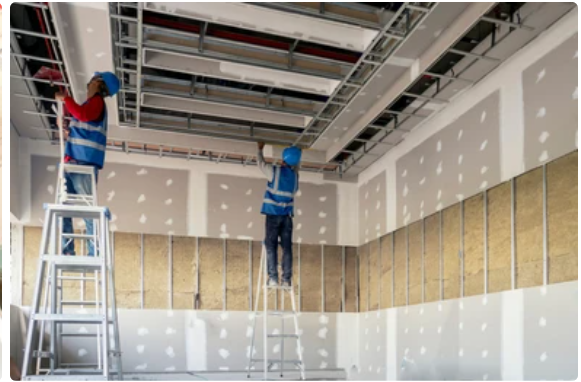
Ceiling installation involves setting reference lines and determining the desired height, then assembling a framework using wooden or metal joists. Panels or tiles are measured, cut, and fixed onto the frame securely. Suspended ceilings require hangers and cross tees to form a grid for tile placement. Finally, joints are covered, and finishing touches like sanding or varnishing are applied for a neat appearance.
This module describes the knowledge, skills, and attitudes required to make cement-based blocks pavers. It is intended to be pursued by learner at TVET level IV in Building Construction. At the end of this module, the learner will be able to: select tools, equipment and materials, prepare mortar, produce cement blocks and cement pavers, prepare ground base, and lay pavers.
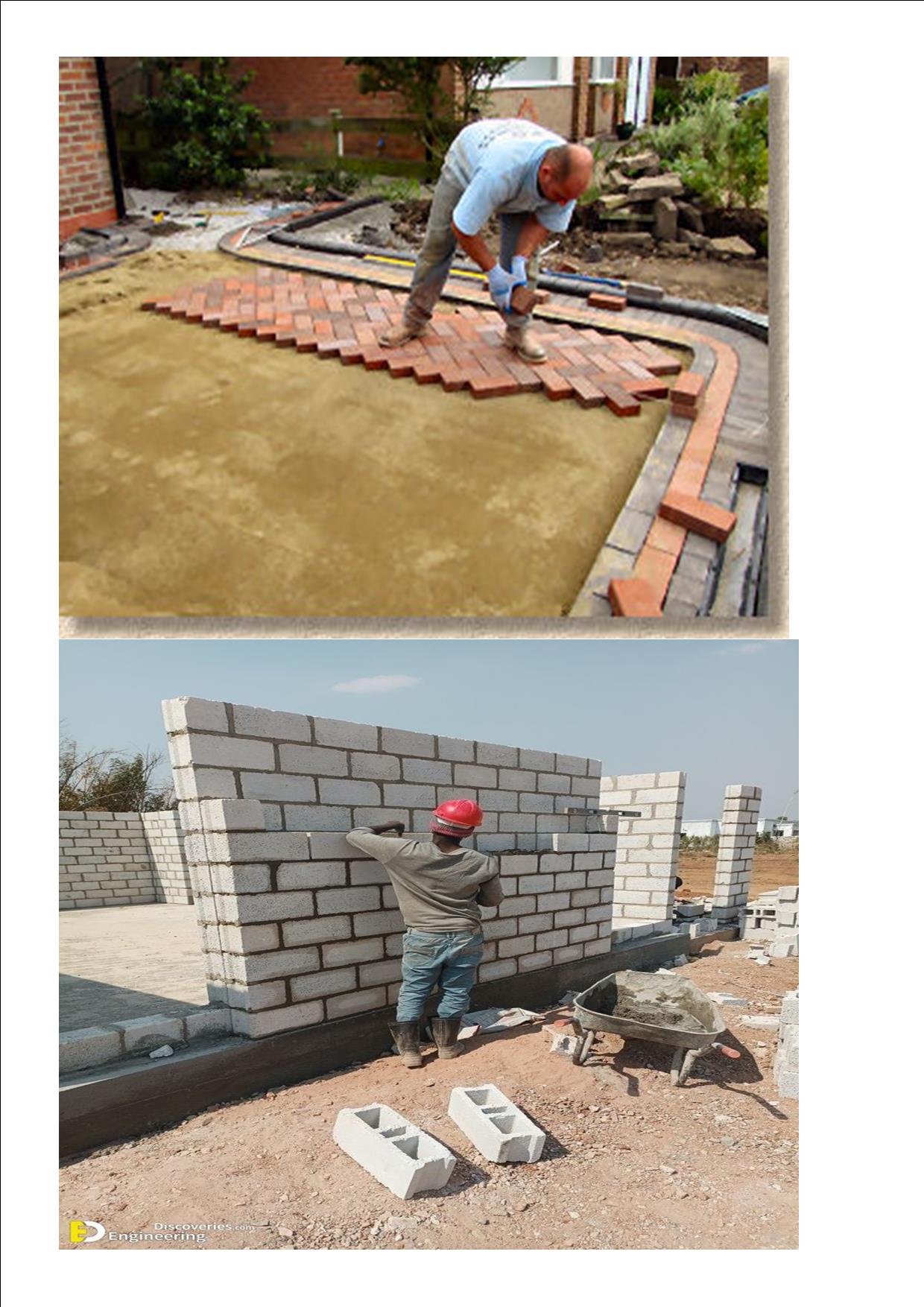
This module describes the knowledge, skills, and attitudes required to make cement based blocks pavers. It is intended to be pursued by learner at TVET level IV in Building Construction.
This module describes the knowledge, skills, and attitudes required to make cement-
based blocks pavers. It is intended to be pursued by learner at TVET level IV in Building
Construction. At the end of this module, the learner will be able to: select tools,
equipment and materials, prepare mortar, produce cement blocks and cement pavers,
prepare ground base, and lay paver
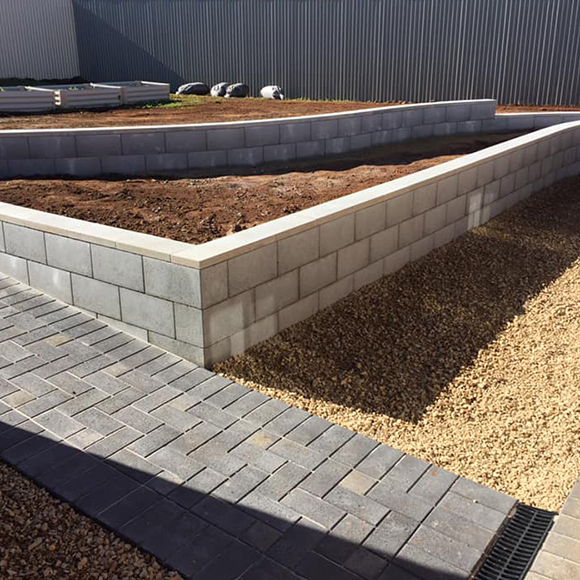
This module describes the knowledge, skills, and attitudes required to make cement-based blocks pavers. It is intended to be pursued by learner at TVET level IV in Building Construction. At the end of this module, you will be able to: select tools, equipment and materials, prepare mortar, produce cement blocks and cement pavers, prepare ground base, and lay paver
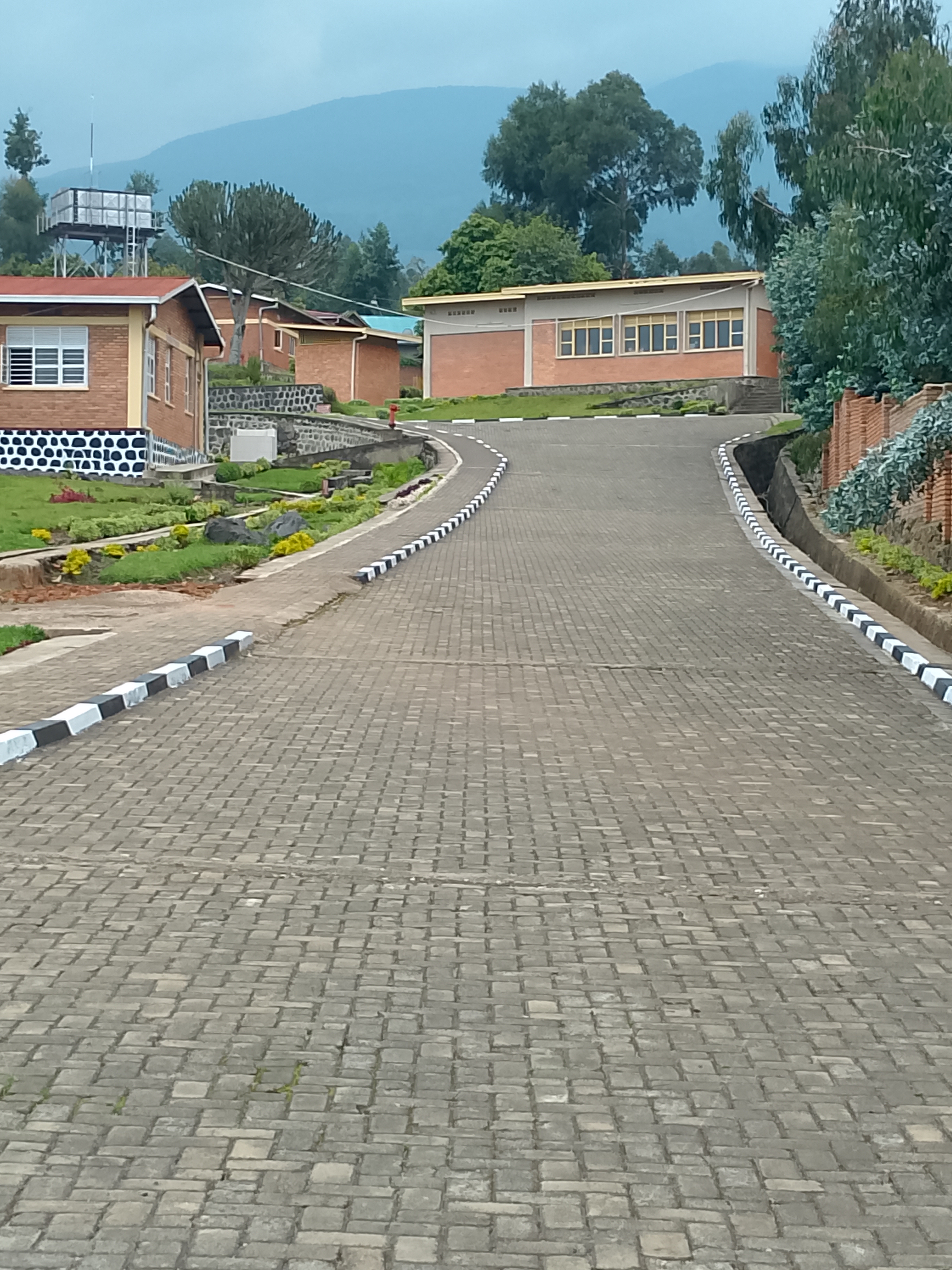
This module describes the knowledge, skills, and attitudes required to make cement-based blocks pavers. It is intended to be pursued by learner at TVET level IV in Building Construction. At the end of this module, the learner will be able to: select tools, equipment and materials, prepare mortar, produce cement blocks and cement pavers, prepare ground base, and lay pavers.
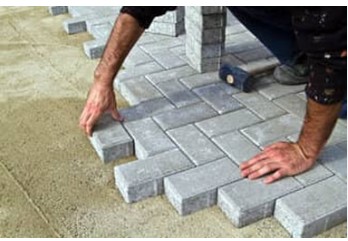
This module describes the knowledge, skills, and attitudes required to make cement based blocks pavers. It is intended to be pursued by learner at TVET level IV in Building Construction. At the end of this module, the learner will be able to: select tools, equipment and materials, prepare mortar, produce cement blocks and cement pavers, prepare ground base, and lay pavers
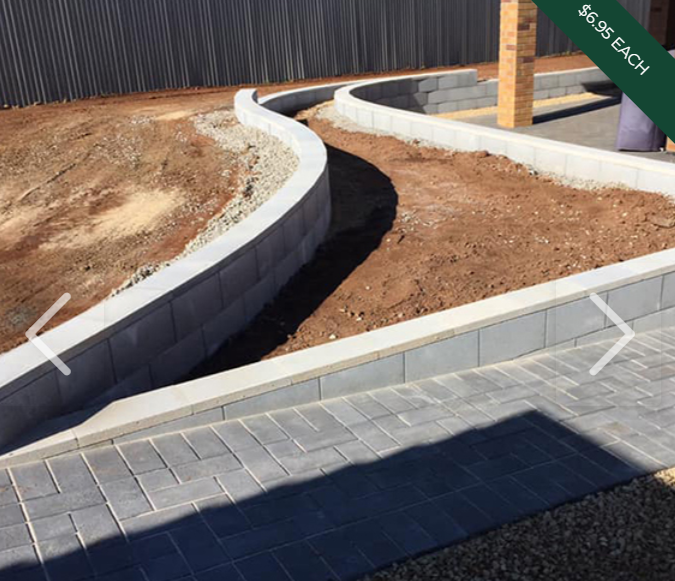
This module describes the knowledge, skills, and attitudes required to make cement based blocks pavers. It is intended to be pursued by learner at TVET level IV in Building Construction. At the end of this module, the learner will be able to: select tools, equipment and materials, prepare mortar, produce cement blocks and cement pavers, prepare ground base, and lay pavers.
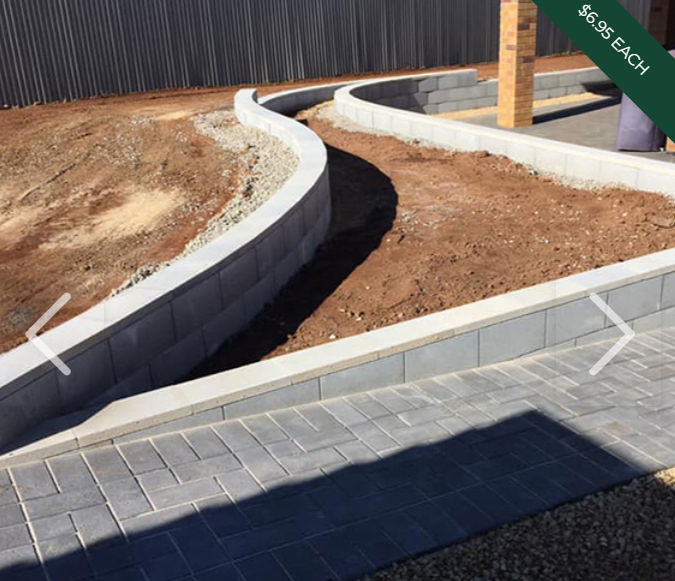
This module describes the knowledge, skills, and attitudes required to make cement based blocks pavers. It is intended to be pursued by learner at TVET level IV in Building Construction. At the end of this module, the learner will be able to: select tools, equipment and materials, prepare mortar, produce cement blocks and cement pavers, prepare ground base, and lay pavers.
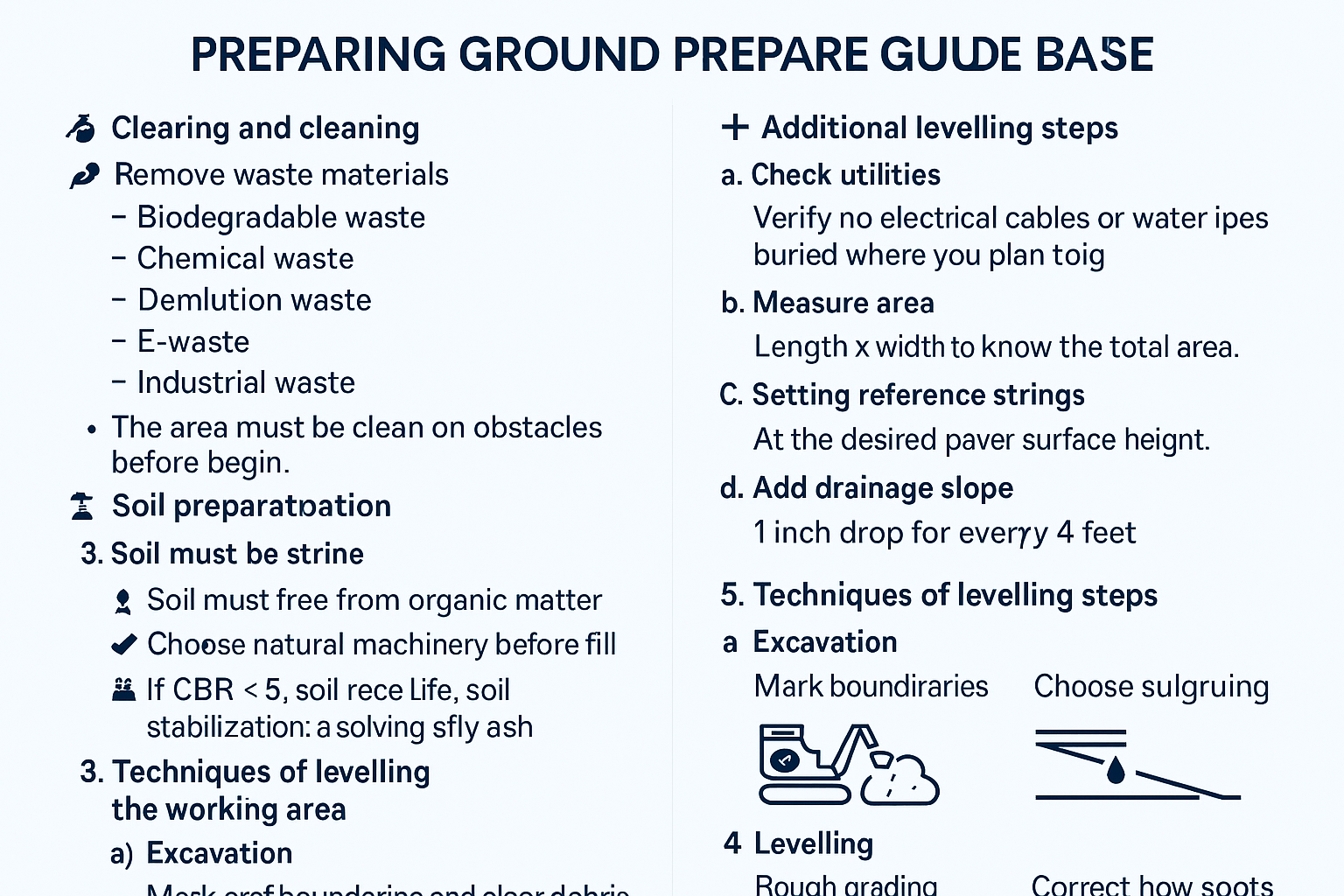
 Purpose statement This module describes the knowledge, skills, and attitudes required to make cement based blocks pavers. It is intended to be pursued by learner at TVET level IV in Building Construction. At the end of this module, the learner will be able to: select tools, equipment and materials, prepare mortar, produce cement blocks and cement pavers, prepare ground base, and lay pavers.

This module describes the keyboard skills and knowledge required to effectively, and efficiently operate a computer, and manipulate word processing, spreadsheets, and PowerPoint and publisher applications in the production of workplace documents. Having successfully completed this module, the trainee will get familiarized with the keyboard, and its different parts like function keys, numeric keys, keypad key, control keys, control cursor keys, main typing keys, combination (Ctrl and Shift) keys and special purpose keys.
This module is for
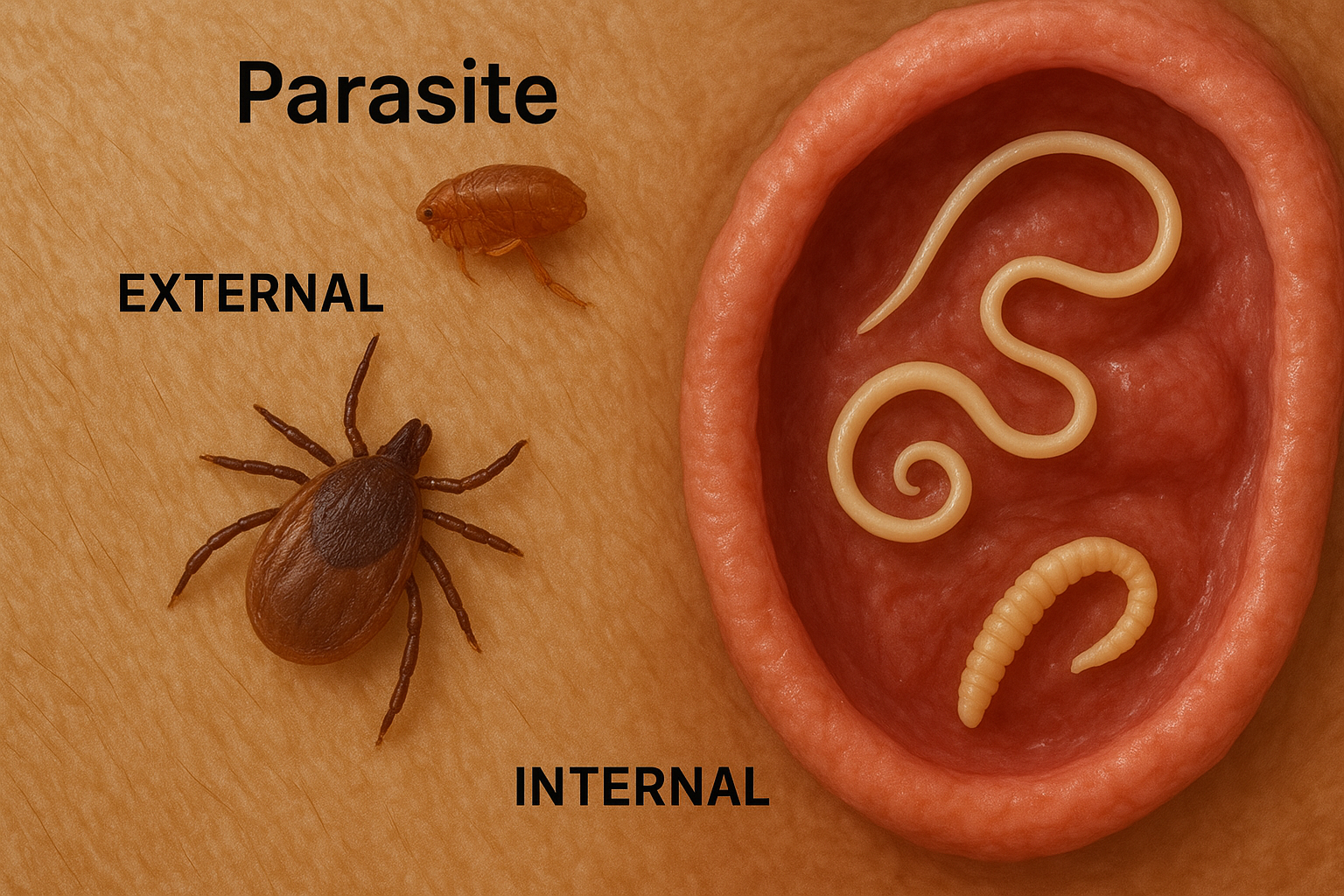
This course of common parasitic diseases, is a specific module that is taught to the trainees of animal health L4. The module is composed by four (4) learning outcomes namely, Identify animal parasites, Describe common parasitic diseases, Diagnose common parasitic diseases and finally Perform treatment of common parasitic diseases.