
Search results: 629
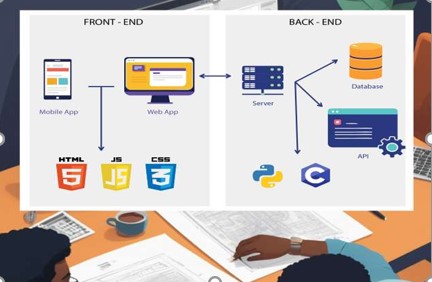
The backend system design module introduces students to the principles and practices of designing server-side systems that power applications.
It focuses on how data is processed, stored, and retrieved efficiently using databases and server logic.
Students will learn how to design system architectures that ensure reliability, scalability, and security.
The module emphasizes practical skills in organizing system components and managing communication between client and server.
- Teacher: JeanDamascene BIMENYIMANA
- Teacher: KWIZERA INGABIRE DIANE
- Teacher: Wilson NIYONKURU
- Teacher: JULES NTIGURIRWA
This module describes the knowledge, skills and attitude required to create highly precise
2D designs that visualize construction drawings. It is intended to be delivered to learners
pursuing TVET level IV in building construction. At the end of this module, the learner will
be able to create, modify and plot construction drawings.
- Teacher: IRABIZI Israel
This course describes employable and practicable skills; knowledge and right attitudes
required by a learner to prepare materials, tools and equipment, carry out aluminum with
its alloys temperature casting process and perform post- casting activities.
- Teacher: JeanDamascene BIMENYIMANA
- Teacher: PHILIBERT GIRANEZA
- Teacher: Pascal NDAYISHIMIYE
- Teacher: Jeremie NGIZWENAYO
- Teacher: Wilson NIYONKURU
This module describes employable and practicable skills; knowledge and right attitudes required by a learner to prepare materials, tools and equipment, carry out aluminum with its alloys temperature casting process and perform post- casting activities
This module describes the skills, knowledge and attitudes required to perform basic
domestic electricity. It is intended to be pursued by learners at TVET Certificate III in
building construction. At the end of this module, the learner will be able to select tools,
materials, PPE and equipment, apply basic domestic installation and perform testing of
installed circuits. The learner deemed competent to this module may work at
construction site in basic domestic electrical installation stage under minimum
supervision.

- Teacher: Rachel KUBWUMUKIZA
Hydraulic Fluids:
-
Non-compressible fluids (usually oil) used to transmit power.
-
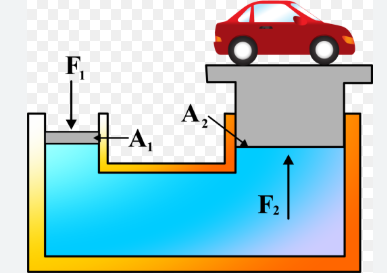
Operate using Pascal’s Law – pressure applied at one point is transmitted equally throughout the fluid.
-
Used for precise control and high force applications.
Pn eumatic Fluids:
-
Use compressed air or gas to transfer energy.
-
Compressible, so less precise than hydraulics.
-
Work on the principle of air pressure and flow – air expands to create motion.
-
Common in fast, light-duty operations.
- Teacher: AUGUSTIN MBONIGABA
- Teacher: Lucie UWIZERA
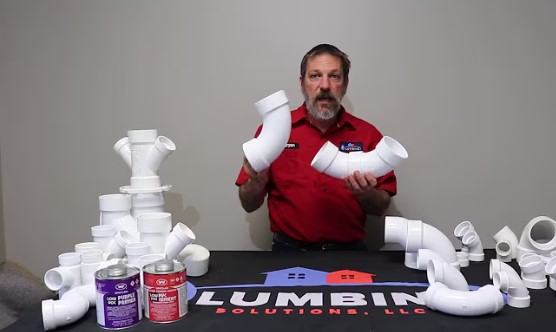
This
core module describes the skills, knowledge and attitude to be acquired by the
learner to perform basics of plumbing; prepare materials, tools and Equipment;
demonstrate basics of pipe connection; demonstrate basics of sanitary
appliances and rain water tank installation
- Teacher: Celestin NSABIMANA
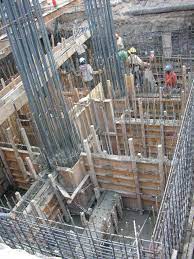
This specific module describes the skills, knowledge and attitude to perform reinforced
concrete works on construction site. It is intended to be pursued by learner at TVET level
V for TVET Certificate IV in Building Construction. At the end of this module, the learner
will be able to: Interpret structural details, identify structural members’ connections,
determine forces acting on structural members and design concrete structure elements
- Teacher: Rachel KUBWUMUKIZA
This specific module describes the skills, knowledge and attitude to perform reinforced
concrete works on construction site. It is intended to be pursued by learner at TVET level
V for TVET Certificate IV in Building Construction. At the end of this module, the learner
will be able to: Interpret structural details, identify structural members’ connections,
determine forces acting on structural members and design concrete structure elements.
- Teacher: Jean Marie Vianney TWIZEYIMANA
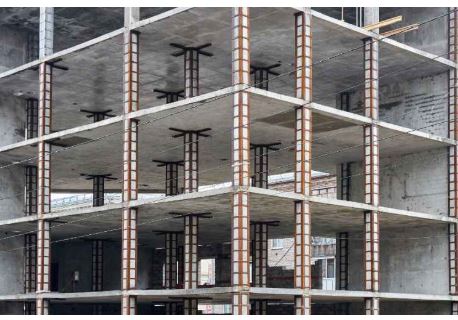
This specific module describes the skills, knowledge and attitude to perform reinforced
concrete works on construction site. It is intended to be pursued by learner at TVET level
V for TVET Certificate IV in Building Construction. At the end of this module, the learner
will be able to: Interpret structural details, identify structural members’ connections,
determine forces acting on structural members and design concrete structure elements.
- Teacher: Marie Chantal KAYITESI
This specific module describes the skills, knowledge
and attitude to perform reinforced concrete works on construction site. It is
intended to be pursued by learner at TVET level V for TVET Certificate IV in
Building Construction. At the end of this module, the learner will be able to:
Interpret structural details, identify structural members’ connections, determine
forces acting on structural members and design concrete structure elements
- Teacher: Celestin NSABIMANA
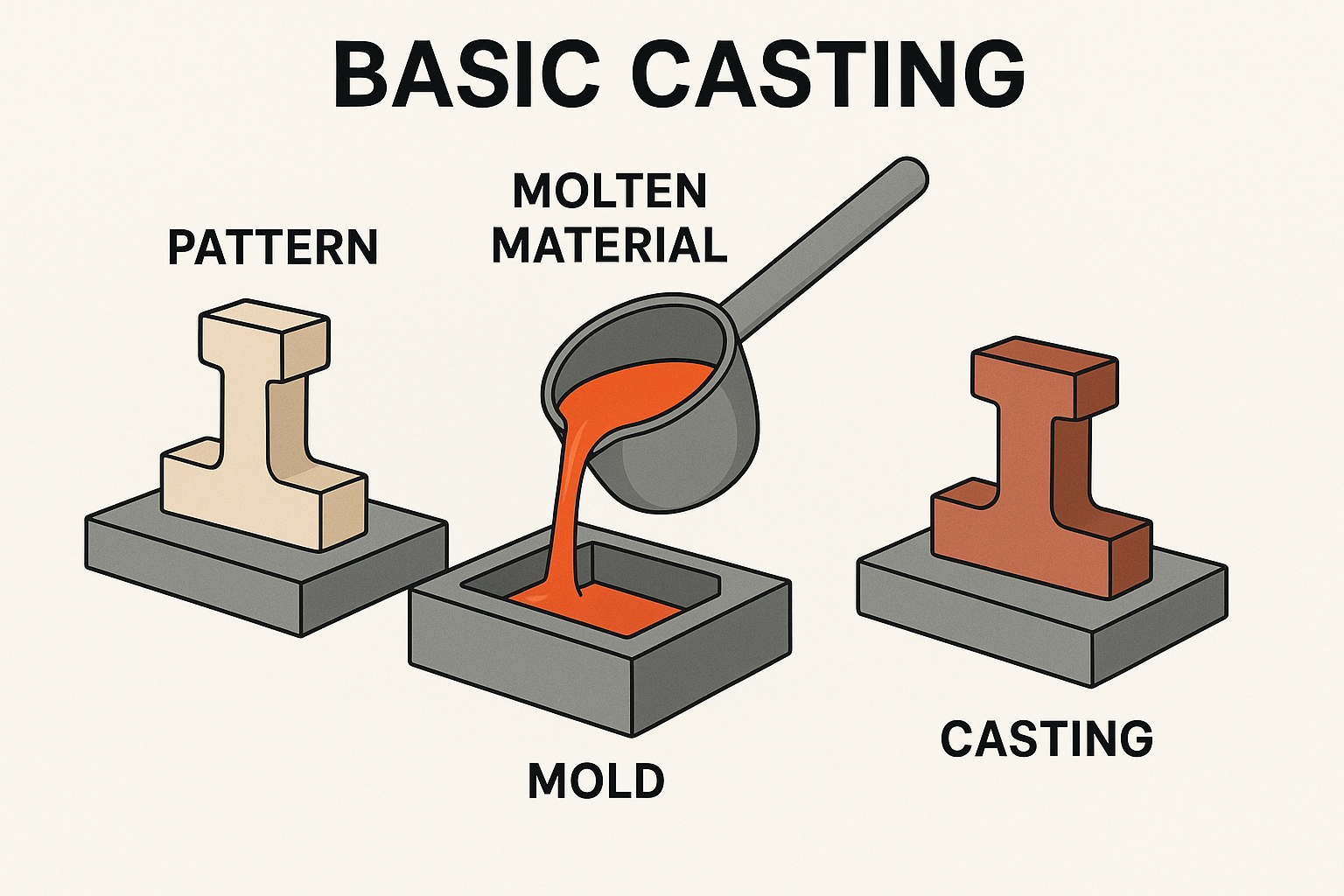
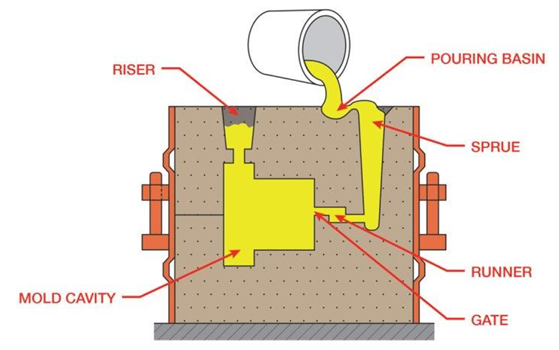
Casting Process is a process in which hot liquid metal is poured into a mould that contains a hollow cut out or cavity of the desired finished shape. it is begins by creating a mould, which is the ‘reverse’ shape of the part we need. The mould is made from a refractory material, for example, sand. The metal is heated in an oven until it melts, and the molten metal is poured into the mould cavity. The liquid takes the shape of cavity, which is the shape of the part. It is cooled until it solidifies. Finally, the solidified metal part is removed from the mould.
- Teacher: Vedaste NDORUNKUNDIYE
Basics of Hydraulic System
-
Definition: A hydraulic system is a power transmission system that uses pressurized liquid (usually oil) to transmit force and motion.
-
Principle: It works on Pascal’s Law, which states that pressure applied at one point of an enclosed fluid is transmitted equally in all directions.
-
Main Components:
-
Hydraulic pump (converts mechanical power into fluid power)
-
Valves (control pressure, flow, and direction)
-
Actuators (cylinders or motors that convert fluid power into mechanical motion)
-
Hydraulic fluid (medium for power transmission and lubrication)
-
-
Applications: Heavy machinery (excavators, presses), automotive brakes, aircraft systems.
-
Advantages: High force output, precise control, smooth operation.
Basics of Pneumatic System
-
Definition: A pneumatic system is a power transmission system that uses compressed air or gas to transmit and control energy.
-
Principle: It works on the compression and expansion of air; force is generated by pressurized air acting on a piston or actuator.
-
Main Components:
-
Compressor (supplies compressed air)
-
Valves (control air pressure, flow, and direction)
-
Actuators (pneumatic cylinders, air motors)
-
Air treatment units (filters, regulators, lubricators)
-
-
Applications: Automation in industries, packaging machines, air brakes, dental tools.
-
Advantages: Clean, lightweight, safe in hazardous environments, simple design.
- Teacher: OLIVIER MPARIBATENDA
This module describes the knowledge, skills and attitude required to create highly precise 2D designs that visualize construction drawings. It is intended to be delivered to learners pursuing TVET level IV in building construction. At the end of this module, the learner will be able to create, modify and plot construction drawings.
AutoCAD is a powerful and versatile software widely used in fields like architecture, engineering, and design for creating precise 2D and 3D drawings. This module introduces the fundamental concepts and tools of AutoCAD, providing a solid foundation for beginners. You will learn about the user interface, basic drawing and editing commands, layers, and how to manage and organize your work effectively. By the end of this module, you will be equipped with the essential skills to create simple, accurate designs and navigate AutoCAD’s core features with confidence. Whether you’re preparing for a career in design or simply looking to enhance your technical skills, this module offers the first step toward mastering AutoCAD.
- Teacher: Abel MURWANASHYAKA
This module describes the knowledge, skills and attitude required to create highly precise
2D designs that visualize construction drawings. It is intended to be delivered to learners
pursuing TVET level IV in building construction. At the end of this module, the learner will
be able to create, modify and plot construction drawings.
- Teacher: Jean Marie Vianney TWIZEYIMANA
This module describes the knowledge, skills and attitude required to create highly precise
2D designs that visualize construction drawings. It is intended to be delivered to learners
pursuing TVET level IV in building construction. At the end of this module, the learner will
be able to create, modify and plot construction drawings.
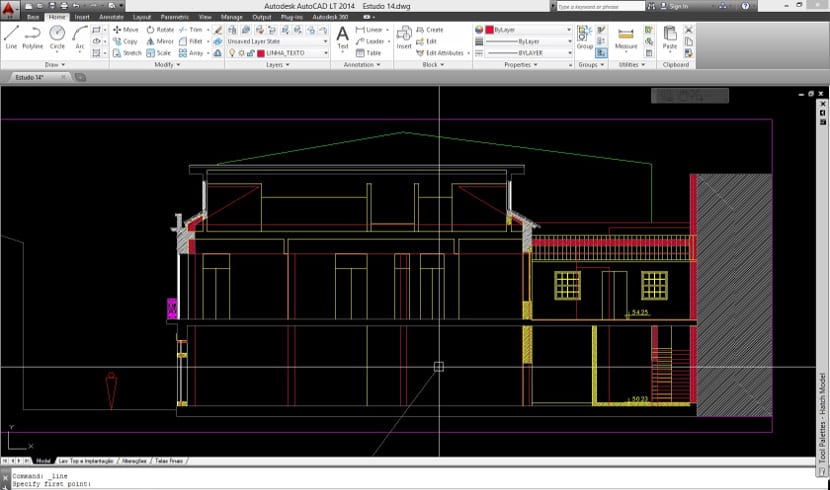
We are thrilled to welcome you to this module tailored specifically for students in building construction. This course is designed to provide you with a solid foundation in AutoCAD, a vital tool in the architecture, engineering, and construction industries.
In this module, you will learn the fundamental skills necessary to create accurate and detailed drawings that are essential for building design and construction. Our objectives include:
ü Understanding the AutoCAD interface and its key features specifically for building construction applications.
ü Learning to create and modify 2D drawings, including floor plans, elevations, and sections.
ü Developing skills in layering, dimensioning, and annotation to enhance your construction drawings.
ü Exploring basic 3D modeling techniques to visualize your designs effectively.
By the end of this module, you will be equipped to produce professional-quality construction drawings that meet industry standards.
We encourage you to actively participate in discussions and collaborate with your peers throughout the course. Your facilitator, [Instructor Name], is available at [Instructor Email] for any questions or support you may need.
Let’s embark on this journey together and master the basics of AutoCAD to advance your skills in building construction!
- Teacher: Theoneste HAKIZIMANA
- Teacher: Patrick KURAMBA
- Teacher: Onesphore MUHIRE
- Teacher: Marie Chantal MUKANEZA
- Teacher: Jeremie NSEKAMBABAYE
- Teacher: BLAISE PASCAL TURABUMUKIZA