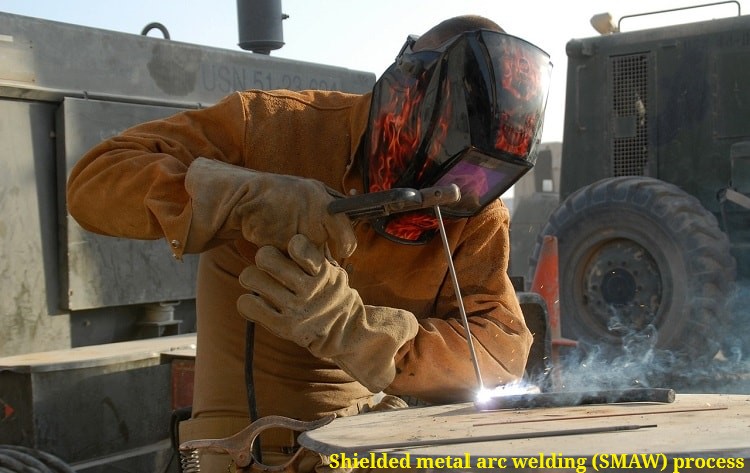
Category: Interactive content
This Mechanical Fastening (MATMF301) provides learners with the knowledge and practical skills to join mechanical components using fasteners such as bolts, screws, nuts, and rivets. It covers preparation, including understanding fastener types, materials, tools, and pre-operation checks; execution, such as interpreting drawings, preparing parts, and applying fasteners accurately; and post-operation activities, including finishing assemblies, storing tools, and reporting work done.

Metal Cutting is a fundamental manufacturing process in which material is removed from a metal workpiece in the form of chips to achieve a desired shape, size, and surface finish.
Workpiece: The material being machined (usually metal).
Cutting Tool: A harder material used to shear off the metal.
Machine Tool: The device (e.g., lathe, milling machine) that provides motion between the tool and the workpiece.
This module will cover the fundamental aspects of metal cutting . It is divided into three key learning outcomes: preparing the workplace, which includes an introduction to metal cutting processes, safety practices, tool and material identification, and pre operation tasks; carrying out metal cutting, focusing on interpreting technical drawings, setting up equipment and workpieces, and performing cutting operations; and post operation activities, which involve finishing the product, cleaning the workspace and equipment, and proper storage of materials and tools. Each section includes competency development, detailed content, and end assessments to support practical skill acquisition.
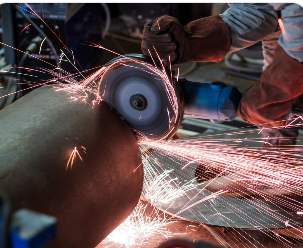
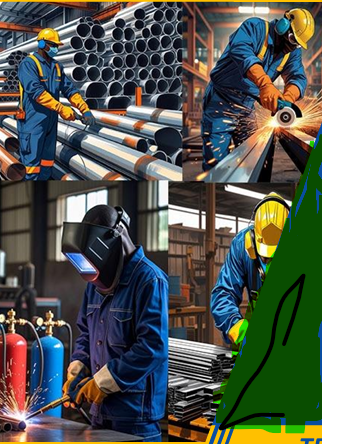
Metal cutting is the process of removing material from a metal workpiece to give it a desired shape, size, or surface finish. This is usually done using a cutting tool that shears away small chips of metal. Metal cutting is an essential operation in manufacturing industries to create parts and components for machinery, vehicles, and equipment.
There are two main

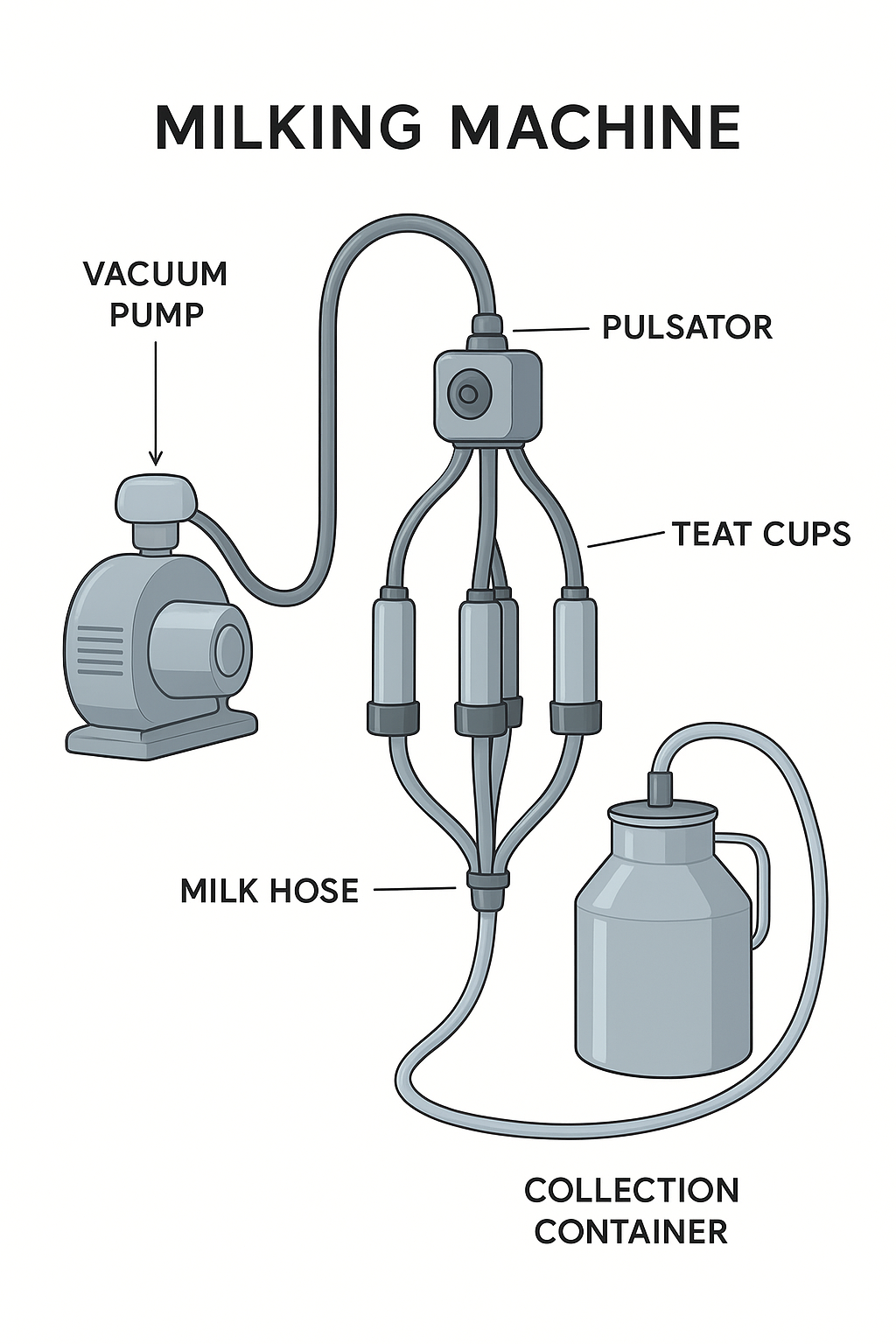
This course will describe the skills and attitudes that will help the learners from level four animal health to acquire knowledge and attitude on milking equipment hygiene , milk cows , monitoring milk quality and quantity , perform minor maintenance of troubleshooting issues and finally communicate effectively with the milking parlor team.

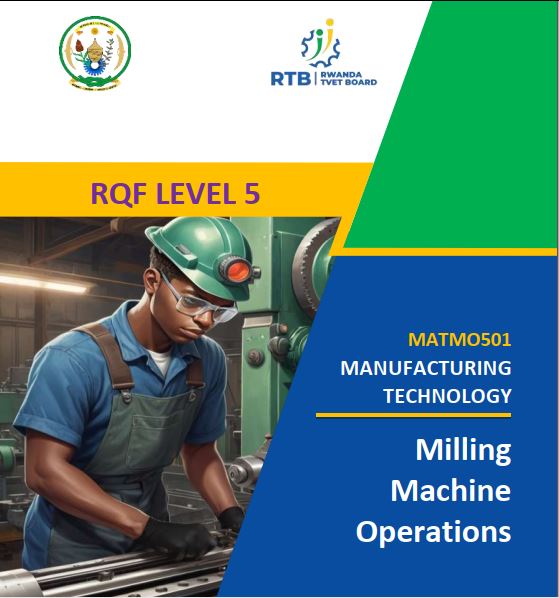
The Milling Machine Operations (MATMO501) module builds learners’ ability to organize, set up, and perform milling operations safely and efficiently. Key concepts include milling machine operation principles, workplace hazard control, product drawing interpretation, and preparation of materials, tools, and equipment. It also develops skills in setting mechanical components, adjusting milling parameters, and mounting workpieces for precision. Additionally, it emphasizes executing milling processes, inspecting and finishing milled parts, and integrating theoretical knowledge with practical application to ensure high-quality machine setup, operation, and quality assurance.
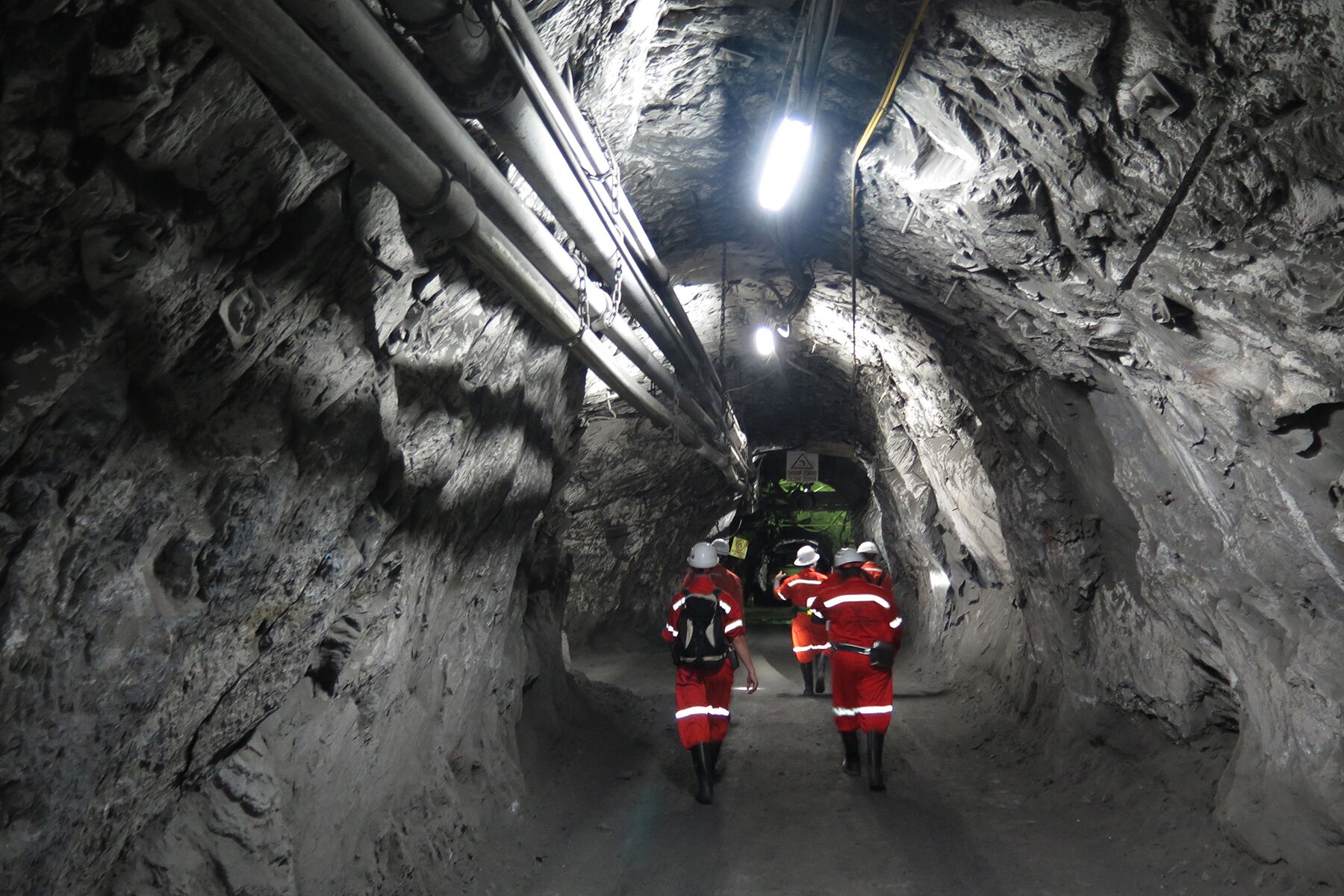
The minerals industry in the field of Underground Mine Design is presently faced with the problem of meeting a rapidly increasing domestic and foreign demand for its mineral resources. This increased demand has added to the problems already plaguing the industry increased land, labor, and material costs; increased foreign competition; more rigid Federal and State mining laws pertaining to health and safety; increased public awareness of air, stream, and land pollution; and increased public concern of mining practices and conditions within the mines.
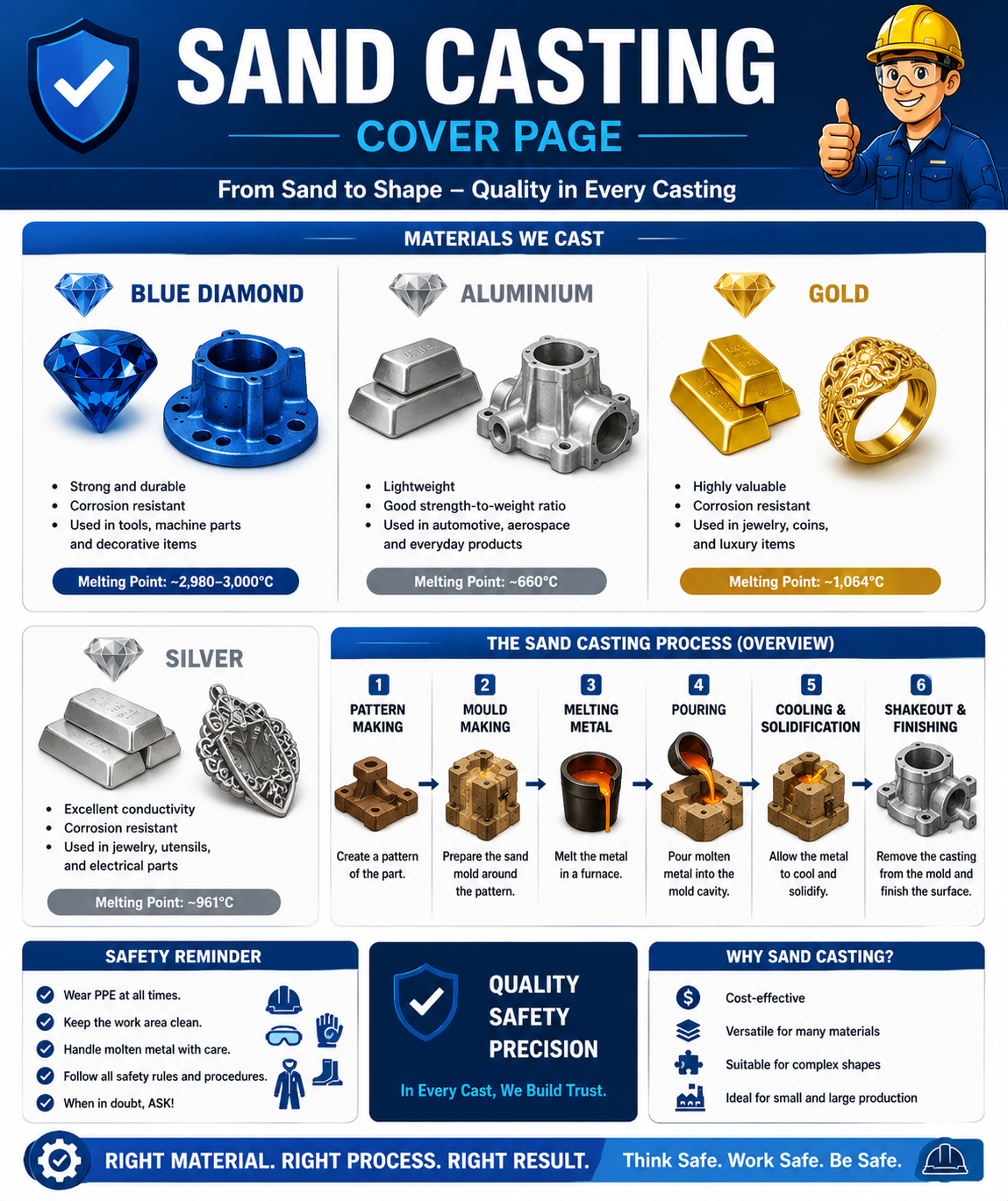
Basic sand casting is a metal casting process where molten metal is poured into a sand mould made using a pattern. After the metal solidifies, the sand mould is broken to remove the casting, which is then cleaned and finished.
It is a simple and low-cost method used to produce metal parts of different sizes. The process includes pattern making, mould preparation, pouring molten metal, cooling, and finishing. Sand casting is widely used in manufacturing industries for producing machine and engineering components.
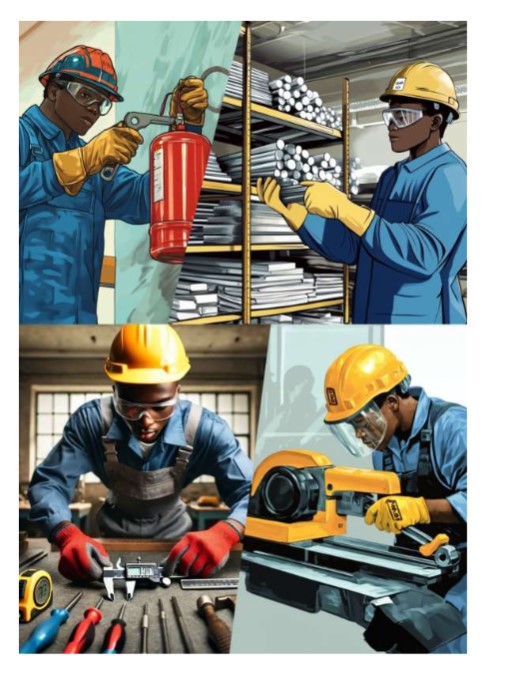
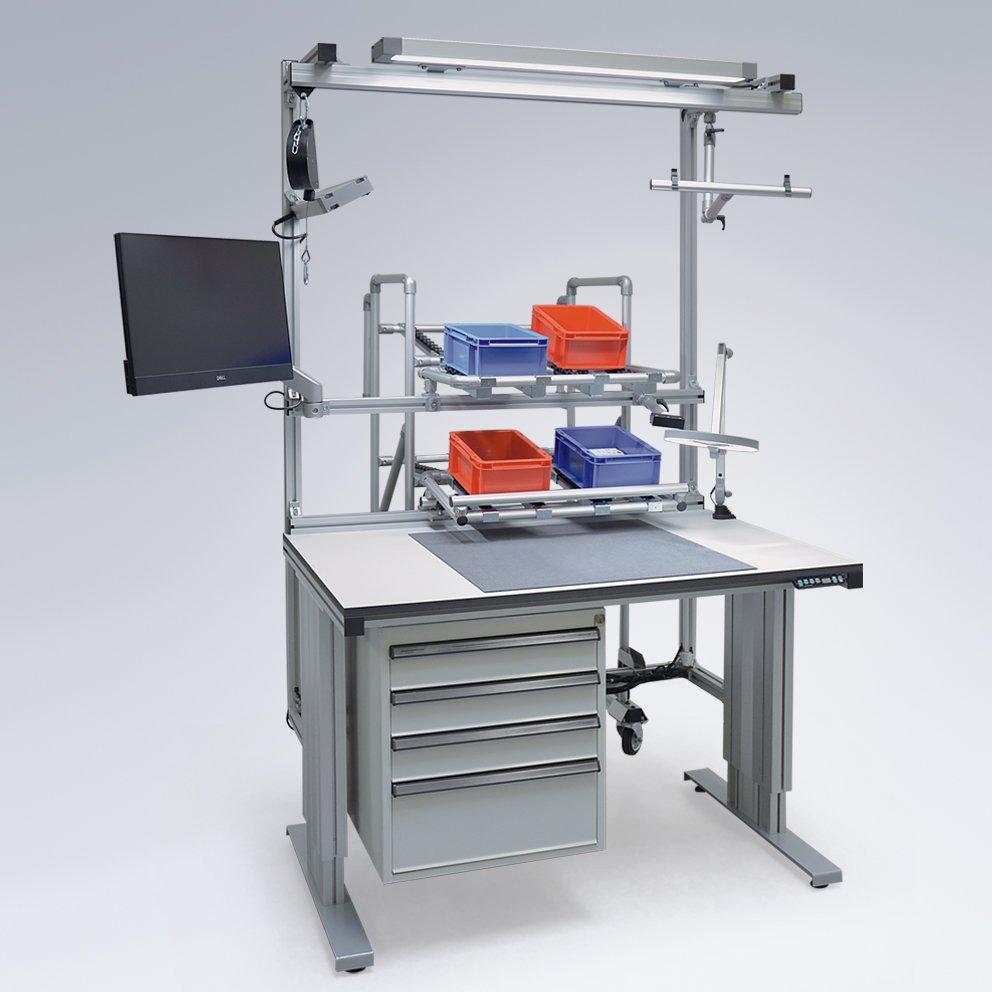
Benchwork is a practical metalworking process performed mainly by hand using different tools and equipment on a workbench. It involves activities such as measuring, marking, cutting, filing, drilling, and fitting metal materials. Benchwork helps learners develop practical skills, accuracy, and safe working habits.
Common tools used in benchwork include files, hacksaws, hammers, chisels, bench vices, and measuring instruments. Safety measures such as wearing PPE, keeping the workplace clean, and using tools correctly are important to prevent accidents.
Benchwork is widely used in manufacturing, fitting, welding, maintenance, and construction industries. It is an important foundation for engineering and mechanical work because it improves precision, workmanship, and productivity.
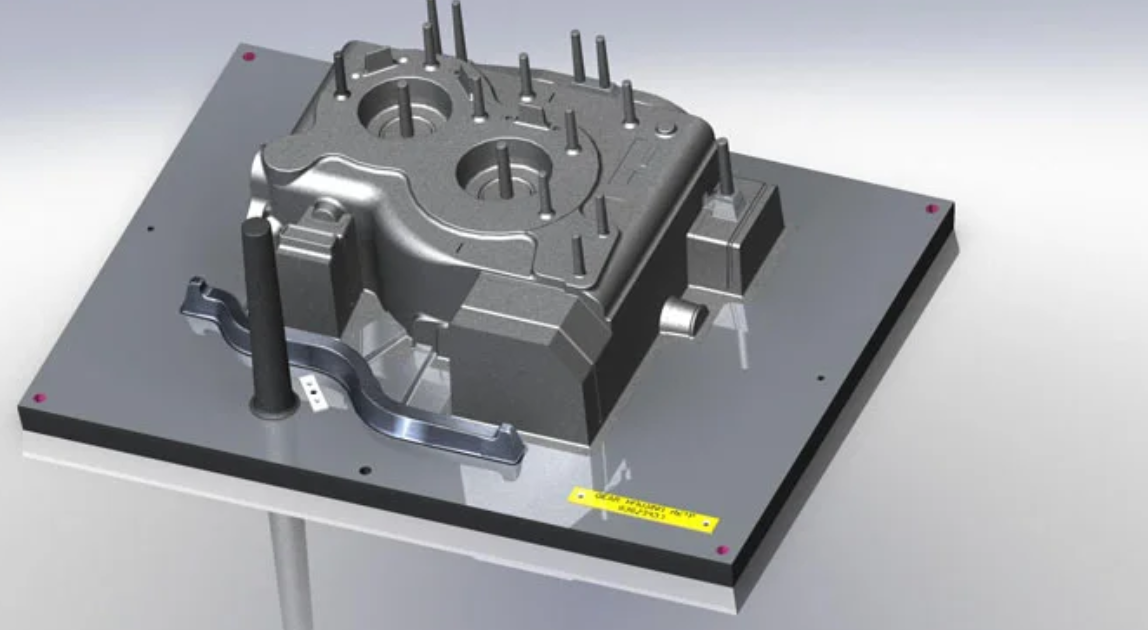 Mould pattern making is the process of creating a model used to form mould cavities for metal casting. The pattern is made from materials such as wood, metal, or plastic and is designed slightly larger than the final product to allow for shrinkage and machining. It helps produce accurate and quality castings in manufacturing industries. Common pattern types include single-piece, split, and match-plate patterns. Mould pattern making is important for producing machine parts, tools, pipes, and other engineering components efficiently.
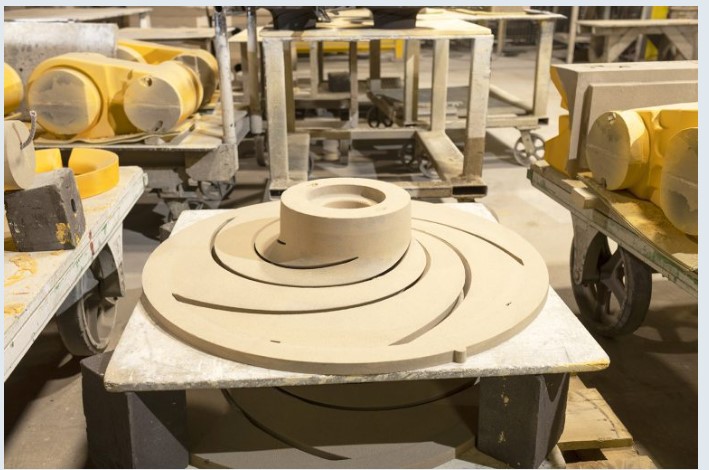
Mould pattern making is an important process in manufacturing and foundry work. It involves designing and producing patterns that are used to create mould cavities for casting metal parts.
• Understand the principles of mould pattern making
• Identify different types of patterns and their uses
• Select suitable materials for pattern making
• Use pattern-making tools and equipment correctly
• Produce accurate and safe mould patterns
• Apply safety measures during pattern production