
Search results: 629
Sector: Hospitality and tourism
Sub-sector: Culinary Arts
- Teacher: Origene IGIRANEZA
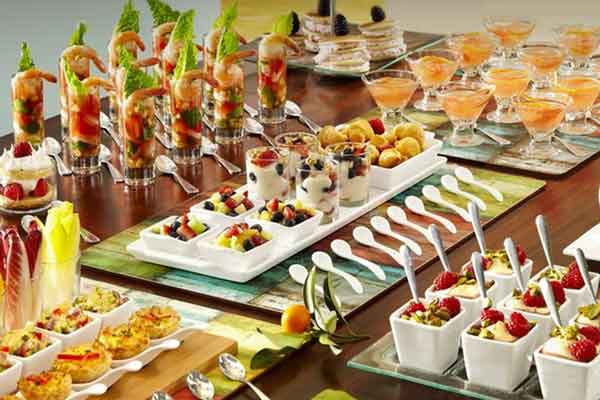
This module is intended for trainee at level 3 in TVET; certificate III, where trainee acquires skills, knowledge and attitudes to perform food and beverage service in hospitality industry. By the end of this module trainees will be able to receive instructions on the day’s activities and duties assemble and clean necessary restaurant equipment, arrange restaurant service areas set up the restaurant for service, stock the service station with minimum supervision.

- Teacher: Eric Hitimana
- Teacher: Origene IGIRANEZA
Fisheries and aquaculture. It is intended to the learners pursuing TVET Certificate
V in Animal health. Upon completion of this module the learners will be able to
Install aquaculture system, assist in hatching operations, perform nursery
activities, grow and harvest fishes.
- Teacher: Illuminee BARAKAGWIRA
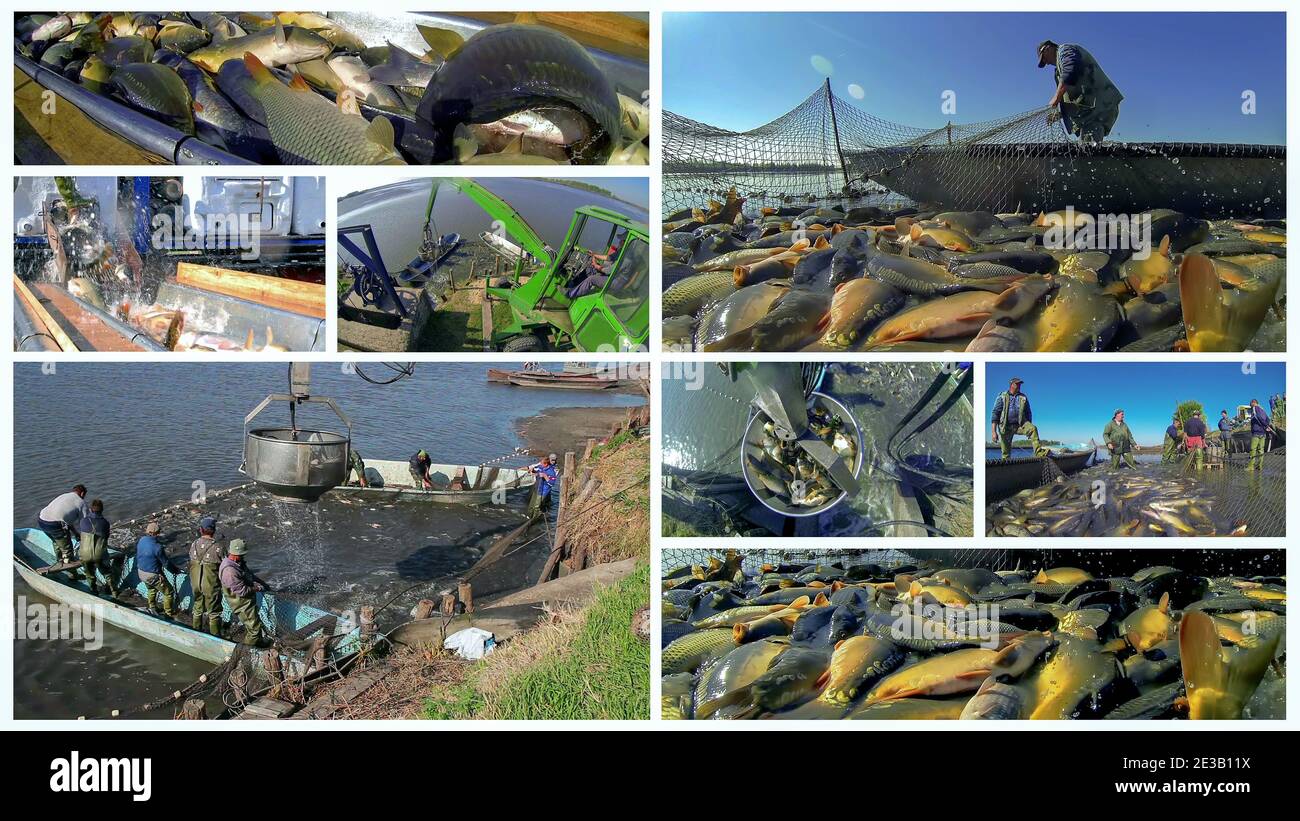
This course provides a practical introduction to fish farming, covering the basic principles of aquaculture, fish biology, pond and tank management, feeding practices, water quality control, and disease prevention.
It is designed to equip learners with the knowledge and skills needed to start and manage sustainable and profitable fish farming operations.
- Teacher: ALEXIE MUMUKUNDE
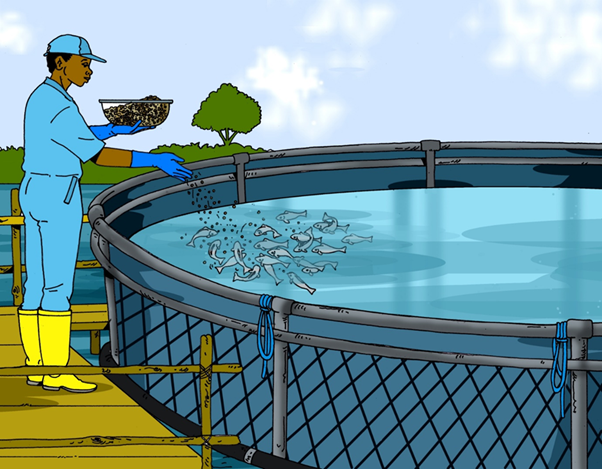
This module detail required knowledge, skills
and attitude for student or learner to be able to feed fly record feeding data,
select fish feeds and manage feed requests and distribution. After learning
successively this module, a student or a learner will be able to work alone or
work in group under supervision.
This module detail required knowledge, skills
and attitude for student or learner to be able to feed fly record feeding data,
select fish feeds and manage feed requests and distribution. After learning
successively this module, a student or a learner will be able to work alone or
work in group under supervision.
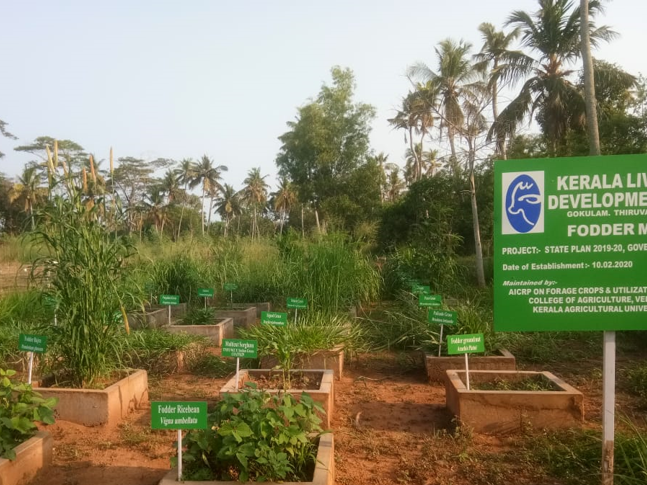
This module covers the knowledge; skills and attitudes required to provide a balanced feeding to domestic animals by managing fodder crops and pasture in an optimum manner. It is intended for learners who have successfully completed ordinary level, level II in animal health or its equivalent and pursuing TVET level III and related qualification. Upon completion of this module, the trainee will be able to: Cultivate fodder crops, perform pastures lay out and improvement and Manage pasture grazing
- Teacher: Patrick NGABONZIZA
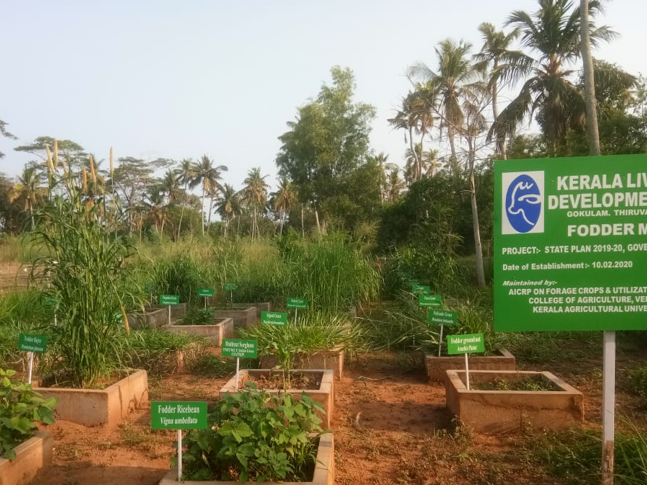
This module covers the knowledge; skills and attitudes required to
provide a balanced feeding to domestic animals by managing fodder crops and
pasture in an optimum manner. It is intended for learners who have successfully
completed ordinary level, level II in animal health or its equivalent and
pursuing TVET level III and related qualification. Upon completion of this
module, the trainee will be able to: Cultivate fodder crops, perform pastures
lay out and improvement and Manage pasture grazing
- Teacher: Callixte MATOVU
- Teacher: SadakoSandrine UMUKUNZI
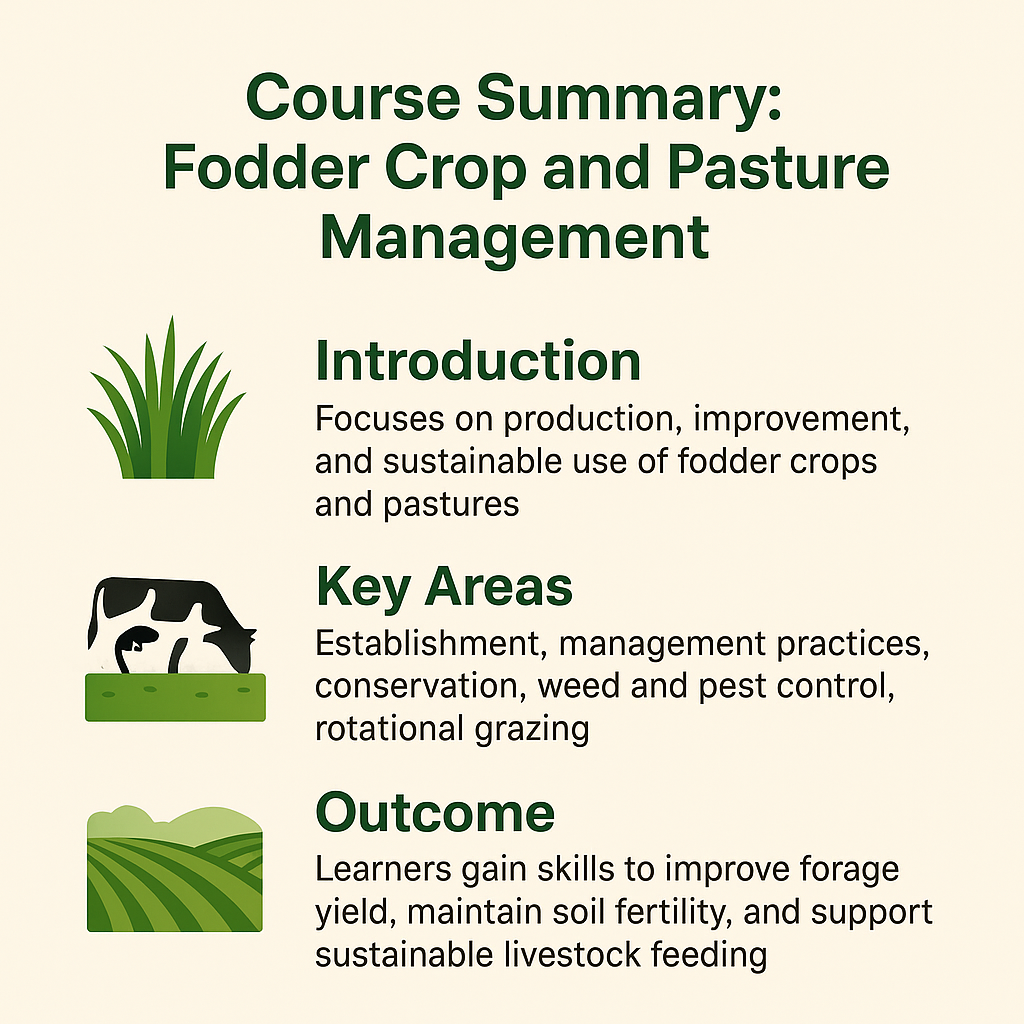
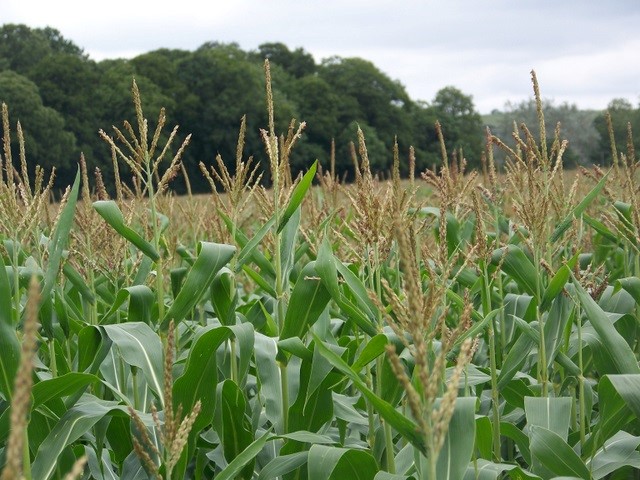
The course focuses on the production, improvement, and sustainable utilization of fodder crops and pastures. It covers establishment, management practices, conservation, pest and weed control, and rotational grazing. Learners gain skills to improve forage yield, maintain soil fertility, and ensure sustainable livestock feeding systems.
- Teacher: Jean Pierre RURANGIRWA
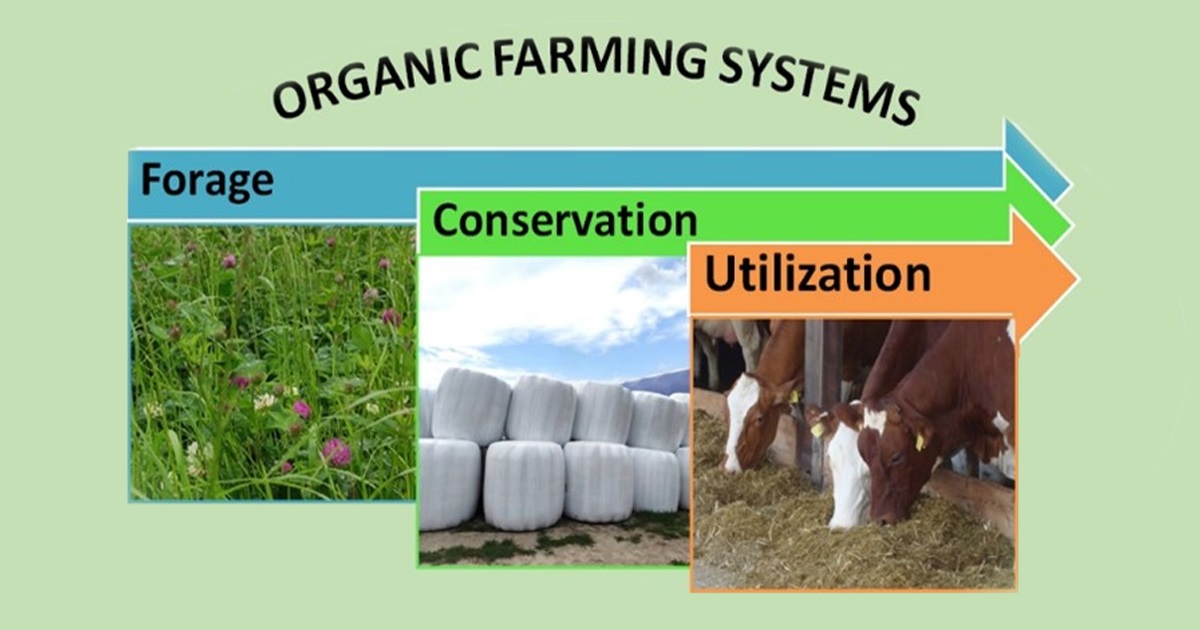
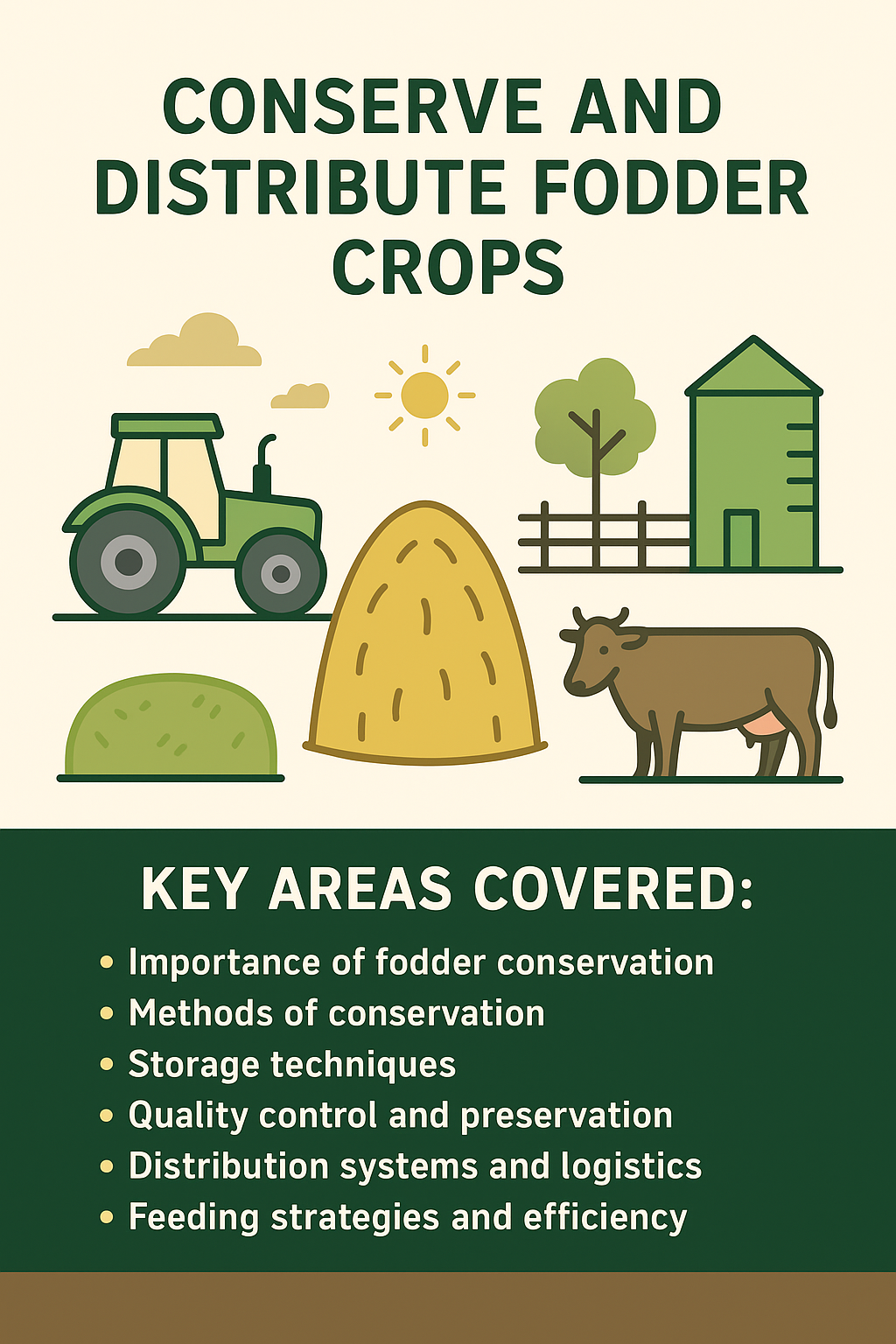
This module equip students with practical knowledge and skills in conserving and distributing fodder crops to ensure year-round feed availability for livestock, improve animal productivity, and support sustainable farming systems.
- Teacher: SadakoSandrine UMUKUNZI
- Teacher: INGABIRE Veronique
- Teacher: Jean Pierre RURANGIRWA

- Teacher: Marie Chantal MUKANEZA

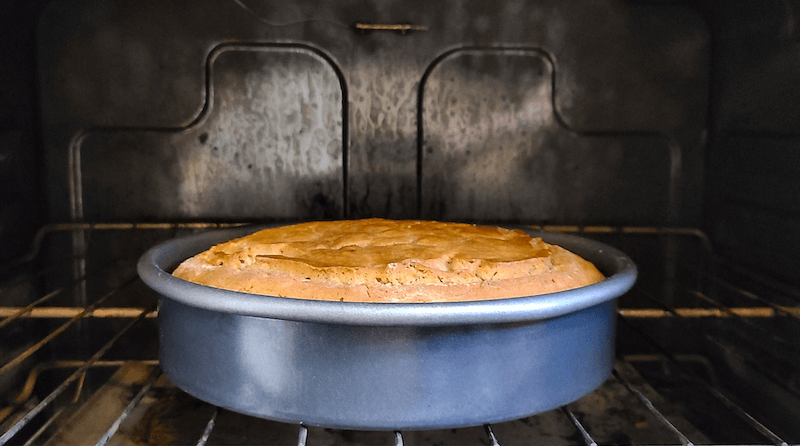

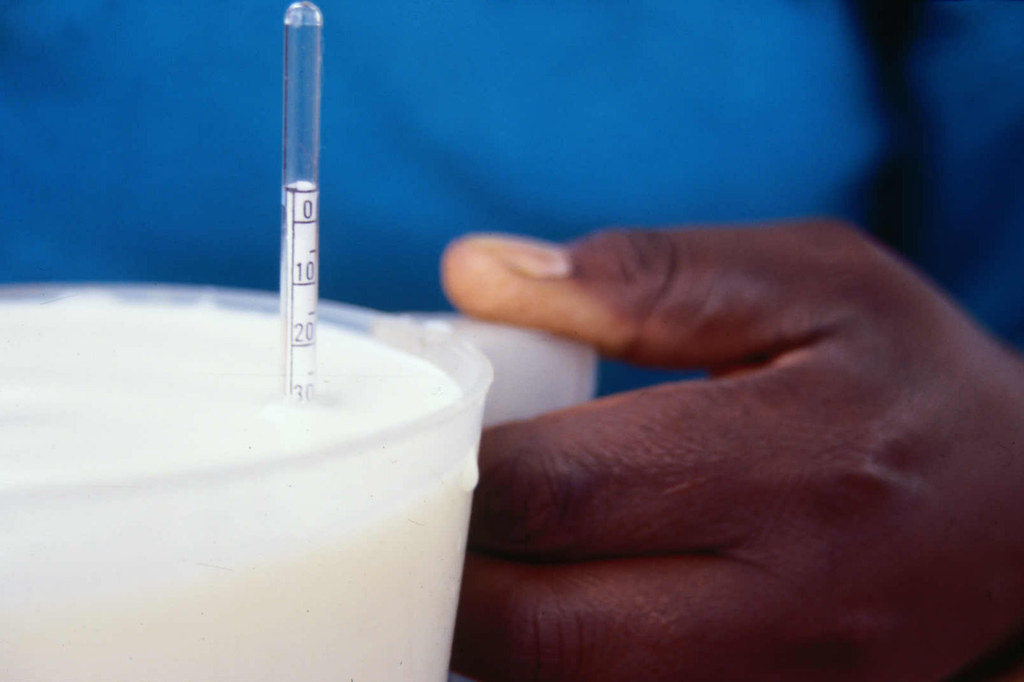
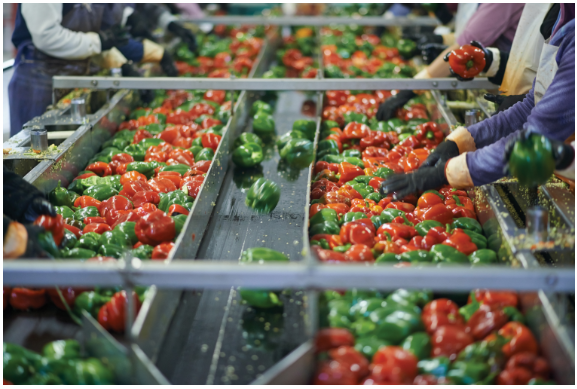
This module describes the skills, knowledge and attitudes required to identify history of food processing industry, identify food safety requirements and describe important processing operations in the food industry. At the end of this module, participants will be able to identify most important historical events of the transformation of cooked ingredients, by physical or chemical means into food, or of food into other forms. Learners will be able to improve food safety-related behaviours and practices. They can describe food processing activities such as mincing and macerating, liquefaction, emulsification, and cooking, pickling, pasteurization, and many other kinds of preservation and canning or other packaging.
- Teacher: Origene IGIRANEZA