Search results: 347
Basics of Hydraulic System
-
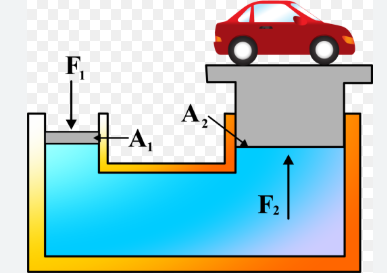
Definition: A hydraulic system is a power transmission system that uses pressurized liquid (usually oil) to transmit force and motion.
-
Principle: It works on Pascal’s Law, which states that pressure applied at one point of an enclosed fluid is transmitted equally in all directions.
-
Main Components:
-
Hydraulic pump (converts mechanical power into fluid power)
-
Valves (control pressure, flow, and direction)
-
Actuators (cylinders or motors that convert fluid power into mechanical motion)
-
Hydraulic fluid (medium for power transmission and lubrication)
-
-
Applications: Heavy machinery (excavators, presses), automotive brakes, aircraft systems.
-
Advantages: High force output, precise control, smooth operation.
Basics of Pneumatic System
-
Definition: A pneumatic system is a power transmission system that uses compressed air or gas to transmit and control energy.
-
Principle: It works on the compression and expansion of air; force is generated by pressurized air acting on a piston or actuator.
-
Main Components:
-
Compressor (supplies compressed air)
-
Valves (control air pressure, flow, and direction)
-
Actuators (pneumatic cylinders, air motors)
-
Air treatment units (filters, regulators, lubricators)
-
-
Applications: Automation in industries, packaging machines, air brakes, dental tools.
-
Advantages: Clean, lightweight, safe in hazardous environments, simple design.

- Teacher: OLIVIER MPARIBATENDA
Technical drawing is a precise and detailed method of creating drawings that visually communicate how something functions or is constructed. It is commonly used in engineering, architecture, and manufacturing

- Teacher: OLIVIER MPARIBATENDA
This module describes the knowledge, skills and attitude required to create highly precise 2D designs that visualize construction drawings. It is intended to be delivered to learners pursuing TVET level IV in building construction. At the end of this module, the learner will be able to create, modify and plot construction drawings.
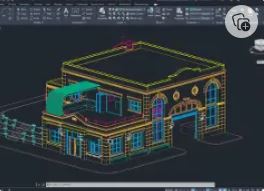
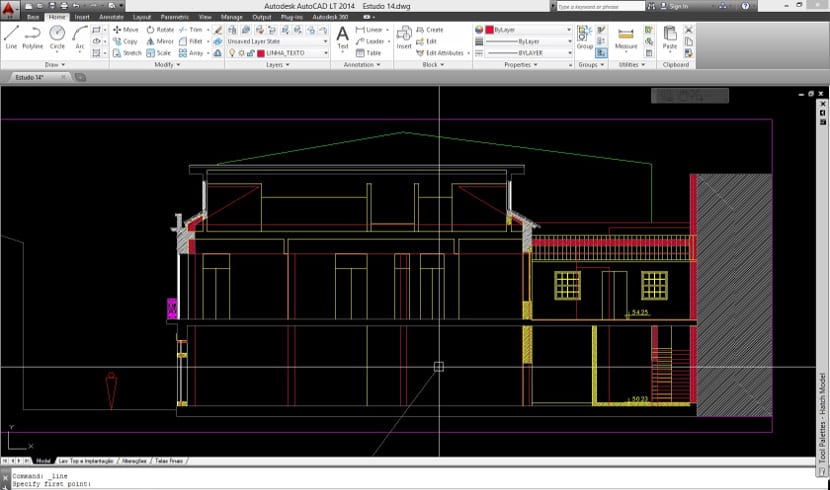
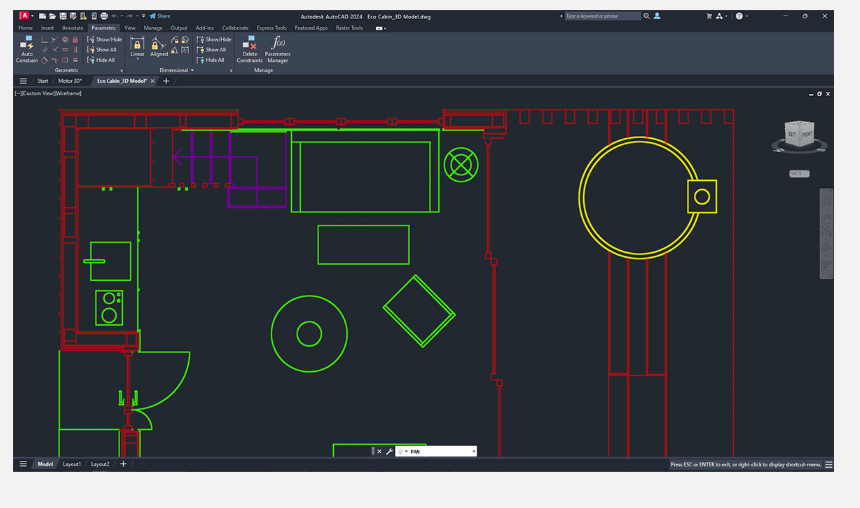
AutoCAD is a powerful and versatile software widely used in fields like architecture, engineering, and design for creating precise 2D and 3D drawings. This module introduces the fundamental concepts and tools of AutoCAD, providing a solid foundation for beginners. You will learn about the user interface, basic drawing and editing commands, layers, and how to manage and organize your work effectively. By the end of this module, you will be equipped with the essential skills to create simple, accurate designs and navigate AutoCAD’s core features with confidence. Whether you’re preparing for a career in design or simply looking to enhance your technical skills, this module offers the first step toward mastering AutoCAD.

- Teacher: Abel MURWANASHYAKA
This module introduces learners to AutoCAD software, a powerful Computer-Aided Design (CAD) tool used by engineers, architects, and designers to create precise 2D and 3D drawings.
- Teacher: Emmanuel HABIMANA
This module describes the knowledge, skills and attitude required to create highly precise
2D designs that visualize construction drawings. It is intended to be delivered to learners
pursuing TVET level IV in building construction. At the end of this module, the learner will
be able to create, modify and plot construction drawings.

- Teacher: Jean Marie Vianney TWIZEYIMANA
This module describes the knowledge, skills and attitude required to create highly precise
2D designs that visualize construction drawings. It is intended to be delivered to learners
pursuing TVET level IV in building construction. At the end of this module, the learner will
be able to create, modify and plot construction drawings.

We are thrilled to welcome you to this module tailored specifically for students in building construction. This course is designed to provide you with a solid foundation in AutoCAD, a vital tool in the architecture, engineering, and construction industries.
In this module, you will learn the fundamental skills necessary to create accurate and detailed drawings that are essential for building design and construction. Our objectives include:
ü Understanding the AutoCAD interface and its key features specifically for building construction applications.
ü Learning to create and modify 2D drawings, including floor plans, elevations, and sections.
ü Developing skills in layering, dimensioning, and annotation to enhance your construction drawings.
ü Exploring basic 3D modeling techniques to visualize your designs effectively.
By the end of this module, you will be equipped to produce professional-quality construction drawings that meet industry standards.
We encourage you to actively participate in discussions and collaborate with your peers throughout the course. Your facilitator, [Instructor Name], is available at [Instructor Email] for any questions or support you may need.
Let’s embark on this journey together and master the basics of AutoCAD to advance your skills in building construction!

- Teacher: Theoneste HAKIZIMANA
- Teacher: Patrick KURAMBA
- Teacher: Onesphore MUHIRE
- Teacher: Marie Chantal MUKANEZA
- Teacher: Jeremie NSEKAMBABAYE
- Teacher: BLAISE PASCAL TURABUMUKIZA
This module describes the knowledge, skills and attitude required to create highly precise
2D designs that visualize construction drawings. It is intended to be delivered to learners
pursuing TVET level IV in building construction. At the end of this module, the learner will
be able to create, modify and plot construction drawings.

- Teacher: Celestin NDAYAMBAJE
This module equips trainees with the foundational knowledge and practical skills to manage hydraulic and pneumatic systems effectively

- Teacher: RAISSA IRADUKUNDA
This module Describes the skills, Knowledge and attitude required to Perform basic Networking. This module intended to prepare students Pursuing TVET in Level 4 Software Development. At the end of this module, the students will be able to Establish network media connectivity, Perform Basic Network Configuration, Maintain Network system

- Teacher: Speratha TUYISENGE
This module provides students with the foundational knowledge and practical skills required to
understand, build, and maintain small-to-medium-sized networks.

- Teacher: Pacifique DUSABIMANA
- Teacher: Josephine MUTUMYINKA
Course overview:
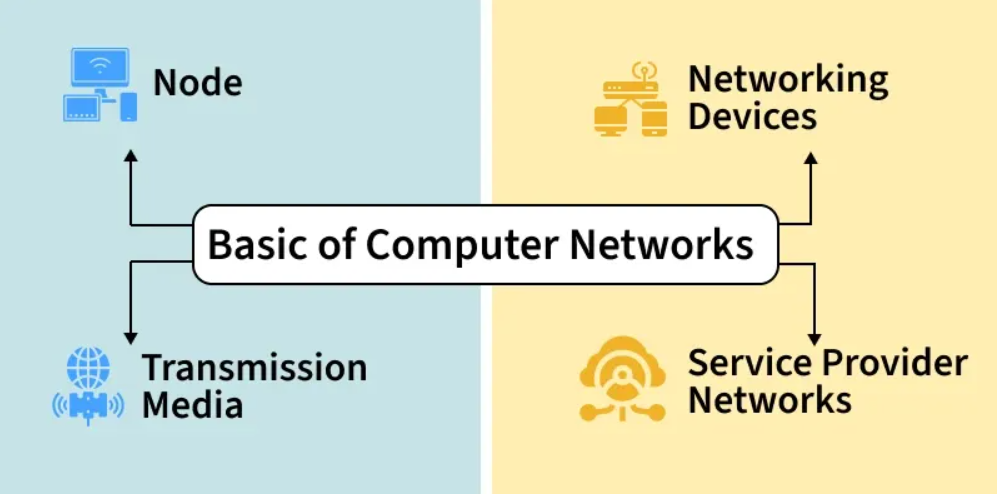
The Basics of Networking module introduces students to the fundamental concepts, components, and functions of computer networks. It provides a solid foundation for understanding how devices communicate, share resources, and access the internet within various types of networks.
Course aims
The aim of this module is to introduce students to the fundamental principles and concepts of computer networking. It is designed to provide a solid foundation in how networks operate, the hardware and software components involved, and the protocols that enable communication between devices. The module equips learners with the essential knowledge and basic practical skills required to understand, build, and troubleshoot simple networks.Facilitator Contact: MASENGESHO Marie Chantal ,0788435659 e-mail address:masengeshomariechantal@gmail.com
- Teacher: JeanBaptiste IRANKUNDA
- Teacher: PERPETUE KANGABO
- Teacher: Emmanuel SIBOMANA
- Teacher: Jean Claude TUYISENGE
- Teacher: Leonard TUYISINGIZE
- Teacher: MarieGrace UWURUKUNDO
This module provides Students with the
foundational knowledge and practical skills required to understand, build, and
maintain small-to-medium-sized networks.

- Teacher: Pacifique DUSABIMANA
- Teacher: KWIZERA INGABIRE DIANE
- Teacher: Vincent NSANZIMANA
Course Summary: Basic Plumbing
The Basic Plumbing course introduces learners to the fundamental principles, tools, materials, and techniques used in plumbing works. It focuses on the installation, maintenance, and repair of water supply systems, drainage systems, and sanitary fittings. Learners are trained to interpret plumbing drawings, identify plumbing materials, and apply safety practices while performing tasks.
The course covers essential topics such as measuring, cutting, and joining pipes; installing fixtures like sinks, toilets, and taps; understanding water distribution and drainage systems; and applying troubleshooting skills to common plumbing problems. Practical exercises are emphasized to build hands-on skills that meet industry standards.
Upon completion, learners will have the basic knowledge and practical competence required to carry out plumbing tasks safely and effectively, preparing them for entry-level roles in construction and maintenance or further specialization in plumbing and related fields.
- Teacher: JACQUES NZAMUKWEREKA
Beekeeping is the practice of managing and caring for honeybee colonies for the production of honey, beeswax, and other valuable products, as well as for crop pollination.
It is an important agricultural activity that supports both food security and environmental sustainability.
This course consists of 4 learning outcomes which are named as following:
1. Install Apiary
2. Keep honey bees
3. Harvest honey and honey bee product
4. Control honey bee diseases, pests and predators

- Teacher: JeanDamascene BIMENYIMANA
- Teacher: HAGENIMANA Eric
- Teacher: ALEXIE MUMUKUNDE
- Teacher: Jean Pierre RURANGIRWA
bees are mostly important in food security and pollination of crop


Purpose statement:
This module describes the skills, knowledge and attitudes required to perform beekeeping. At the end of this module, trainees will be able to install apiary, to keep honey bees, to harvest honey and honey bee products and to control honey bee diseases, pests, and predators.

The Bench Work (MATBW301) module equips learners with the essential knowledge, skills, and attitudes required to perform accurate and safe bench work operations commonly used in manufacturing and mechanical engineering workshops. They will develop proficiency in handling hand tools, measuring instruments, and workshop equipment while adhering to occupational health, safety, and environmental standards. The course promotes problem-solving, attention to detail, and quality workmanship in producing components to specified dimensions and finishes.
- Teacher: NIYITEGEKA Jean Damascene
This course provides learners with the fundamental knowledge and practical skills required to perform benchwork operations in manufacturing and mechanical workshops. It emphasizes the correct use of hand tools, measuring instruments, and work-holding devices to produce accurate and quality components. Students will learn how to carry out basic operations such as filing, marking, sawing, drilling, tapping, threading, scraping, chiseling, and fitting.

- Teacher: ELIE NSENGIMANA